Iran war live: Trump threatens to attack power plants over Strait of Hormuz
Former U.S. President Donald Trump threatened Iranian power plants over potential Strait of Hormuz disruptions, escalating U.S.-Iran tensions.
Cuneyd Erdogan ·
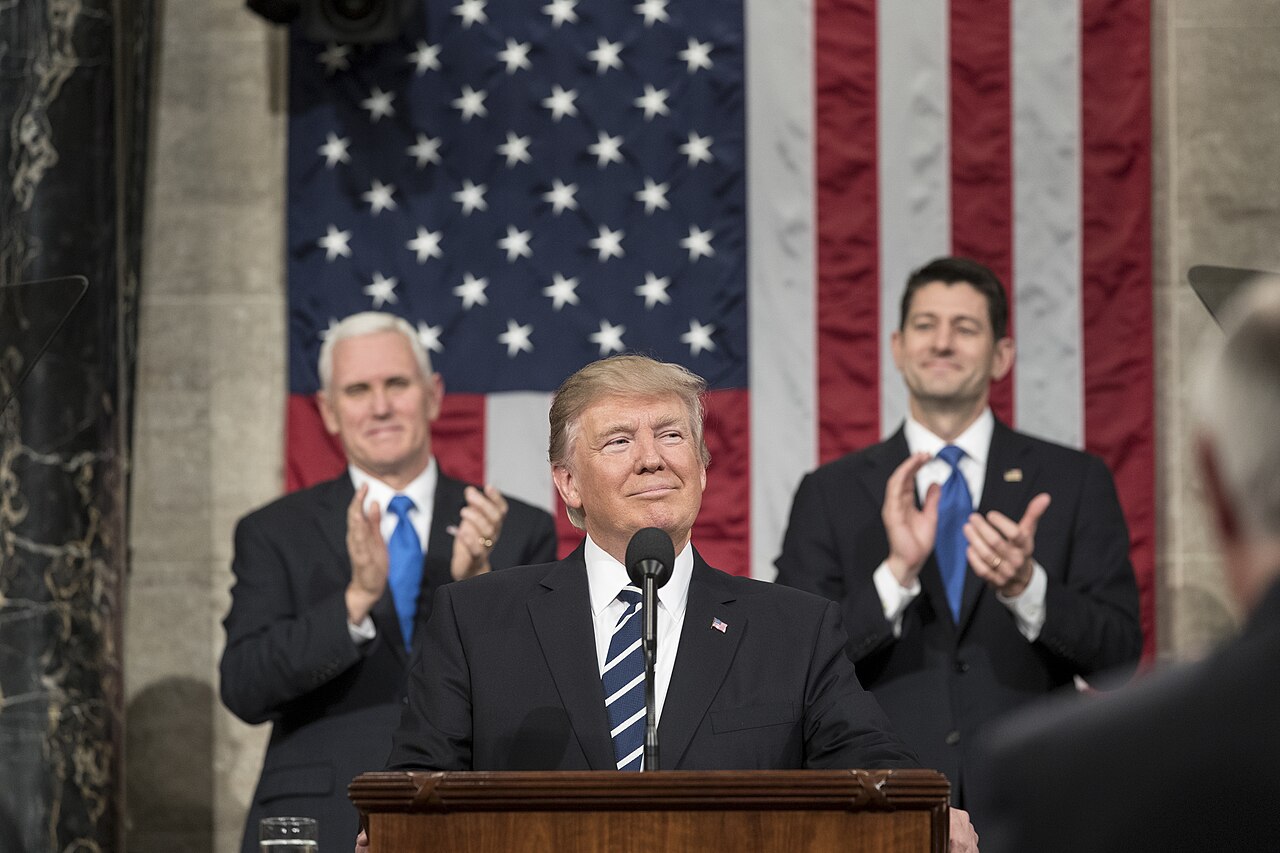
Former U.S. President Donald Trump issued a public threat to target Iranian power plants in response to potential disruptions in the Strait of Hormuz. This statement, made during a period of heightened tensions between Washington and Tehran, underscored the volatile nature of their relationship. The Strait of Hormuz is a critical maritime chokepoint for global oil shipments, making any threat to its stability a significant international concern.
Geopolitical Context and Escalation
The threat emerged against a backdrop of escalating rhetoric and military posturing between the United States and Iran. Tensions had been steadily rising following the U.S. withdrawal from the Joint Comprehensive Plan of Action (JCPOA), commonly known as the Iran nuclear deal, in 2018. This withdrawal led to the re-imposition of stringent U.S. sanctions on Iran, severely impacting its economy, particularly its oil exports.
Strategic Importance of the Strait of Hormuz
The Strait of Hormuz, a narrow waterway connecting the Persian Gulf to the Arabian Sea, is strategically vital for global energy markets. Approximately one-fifth of the world's total oil consumption, along with a significant portion of liquefied natural gas (LNG), transits through this strait daily.
Iran has, on various occasions, threatened to close the strait in retaliation for economic pressures or military actions, a move that would have severe repercussions for global energy prices and supply chains.
U.S. Policy and Regional Dynamics
Under the Trump administration, U.S. policy towards Iran was characterized by a "maximum pressure" campaign aimed at compelling Tehran to negotiate a new, more comprehensive agreement on its nuclear program and regional activities. This approach involved economic sanctions, military deployments to the region, and strong diplomatic rhetoric. The threat against Iranian infrastructure, specifically power plants, signaled a potential escalation beyond economic measures.
International Reactions and Concerns
Such threats typically draw international concern due to the potential for broader regional conflict. Allies and adversaries alike often monitor these statements closely for indications of shifts in policy or imminent military action. The prospect of military strikes on critical infrastructure raises humanitarian concerns and risks destabilizing an already volatile Middle East, potentially drawing in other regional and global powers.
Implications for Energy Markets
Any military action or significant disruption in the Strait of Hormuz would likely trigger a sharp increase in global oil prices. Energy markets are highly sensitive to geopolitical instability in the Middle East, and threats to key shipping lanes or energy infrastructure can lead to immediate speculative trading and price volatility. The long-term economic impact of such a conflict would be substantial, affecting global trade and economic growth.
Outlook on U.S.-Iran Relations
The relationship between the United States and Iran remains complex and fraught with challenges. While the immediate threat of military action may recede with changes in administration or de-escalation efforts, the underlying issues, including Iran's nuclear program, its regional influence, and the future of the JCPOA, continue to be sources of tension. Diplomatic efforts, alongside continued vigilance, are crucial for managing this critical geopolitical dynamic.
Implications
Country Impact: The threat of military action against Iran could lead to significant internal instability and economic disruption within the country, potentially exacerbating existing social and political challenges. It also risks further isolating Iran on the international stage.
Industry Impact: The global energy industry, particularly oil and gas, faces substantial risks from any conflict in the Strait of Hormuz. Disruptions could lead to supply shortages, increased shipping costs, and heightened insurance premiums, impacting profitability and investment.
Market Impact: Global financial markets would likely react negatively to military escalation, with potential for sharp declines in equity markets and a flight to safe-haven assets. Oil prices would surge, impacting inflation and consumer spending worldwide.