Could Iran war trigger the next global food shock?
A potential conflict involving Iran could trigger a global food shock by disrupting energy supplies and increasing agricultural production costs.
Cuneyd Erdogan ·
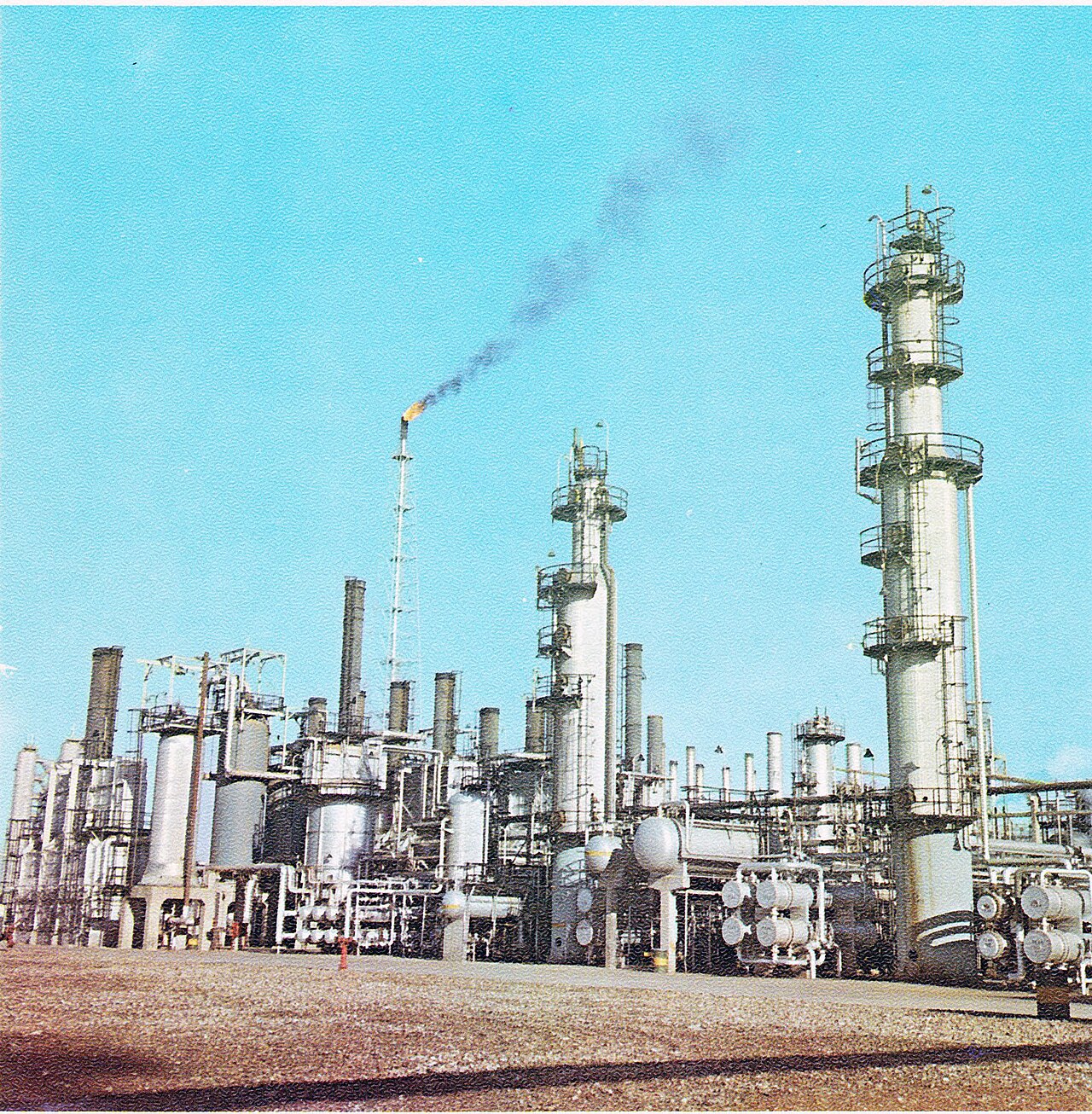
A potential military escalation involving Iran carries significant risks for global food security, primarily due to its strategic location controlling key maritime trade routes. Disruptions in the Strait of Hormuz, a vital chokepoint for energy shipments, could trigger a cascade of economic effects impacting agricultural markets worldwide.
The interconnectedness of global supply chains means that instability in one critical region can quickly translate into widespread price volatility and supply shortages for essential commodities.
Strategic Chokepoint and Trade Routes
Impact on Energy Markets
Agricultural Commodity Price Volatility
Historical Precedents and Supply Chain Vulnerabilities
Geopolitical Implications for Food Security
Implications
Country Impact: Countries heavily reliant on food imports, particularly in the Middle East and Africa, would face severe challenges in maintaining food security. Energy-importing nations would also see significant inflationary pressures.
Industry Impact: The agricultural sector would experience increased input costs, primarily from fuel and fertilizers, potentially leading to reduced profitability and higher consumer prices for food products. Shipping and logistics industries would face higher insurance premiums and operational disruptions.
Market Impact: Global energy markets would likely see sharp price increases for oil and natural gas. Agricultural commodity markets would experience significant volatility and upward price pressure, impacting futures contracts and consumer food prices worldwide.