Iran Leadership Faces Crisis After Ali Larijani's Death
Ali Larijani's death deepens Iran's leadership crisis, removing a key moderate conservative voice amid ongoing political transitions and regional tensions.
Cuneyd Erdogan ·
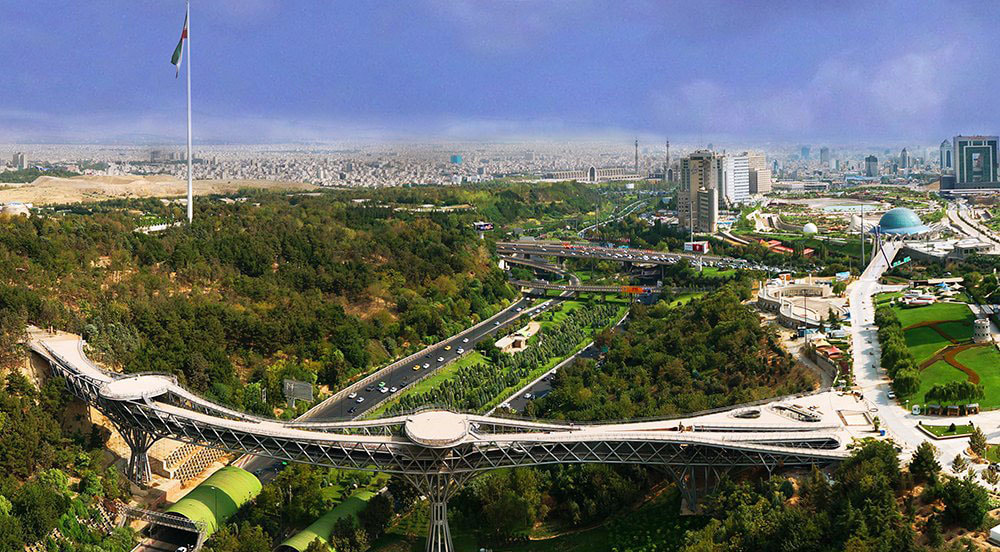
The sudden death of Ali Larijani, a prominent figure within Iran's political establishment, has introduced new complexities into the country's leadership dynamics. Larijani, who held significant roles including Speaker of Parliament and a member of the Expediency Discernment Council, was a key moderate conservative voice. His passing occurs at a critical juncture for Iran, marked by internal political transitions and ongoing regional and international challenges.
Who Was Ali Larijani?
Larijani was often seen as a pragmatic conservative, capable of navigating various political factions within the Islamic Republic. He played a crucial role in Iran's nuclear negotiations during his tenure as chief nuclear negotiator in the early 2000s, and later supported the 2015 Joint Comprehensive Plan of Action (JCPOA).
Political Context in Iran
Larijani had previously attempted to run for president in 2021 but was disqualified by the Guardian Council, a powerful vetting body. His potential return to the political arena, possibly in future elections or advisory roles, was often speculated upon, given his experience and relatively moderate stance compared to hardline factions.
Implications for Succession and Stability
Succession planning for the Supreme Leader, Ayatollah Ali Khamenei, is a constant underlying factor in Iranian politics. The Expediency Discernment Council, of which Larijani was a member, plays a role in resolving disputes between the Parliament and the Guardian Council, and its composition is vital for the balance of power. The removal of experienced figures like Larijani from this body could impact its effectiveness and influence.
Regional and International Repercussions
The political vacuum created by the recent deaths of key figures could lead to a period of increased internal maneuvering among various factions. The upcoming presidential elections will be a crucial indicator of the direction Iran's leadership is heading, with the hardline establishment likely seeking to maintain or expand its control.
Implications
Country Impact: The death of Ali Larijani, following President Raisi's demise, deepens political uncertainty in Iran, potentially consolidating hardline influence and narrowing policy debate. This could impact the upcoming presidential elections and the broader leadership succession process.
Industry Impact: While direct industry impact is limited, increased political instability in Iran can deter foreign investment and complicate energy sector operations due to potential shifts in economic policy or international sanctions enforcement. Domestic industries may face greater state control.
Market Impact: Global markets may react to heightened political uncertainty in Iran through fluctuations in oil prices, given Iran's role as a major energy producer. Regional geopolitical tensions, already elevated, could see further pressure, impacting investor sentiment in the Middle East.