Green Party Unveils UK Economic Overhaul Plan
The Green Party of England and Wales unveiled a major economic overhaul plan, proposing £8.4bn for energy bills, nationalizing water, and tax reforms.
Cuneyd Erdogan ·
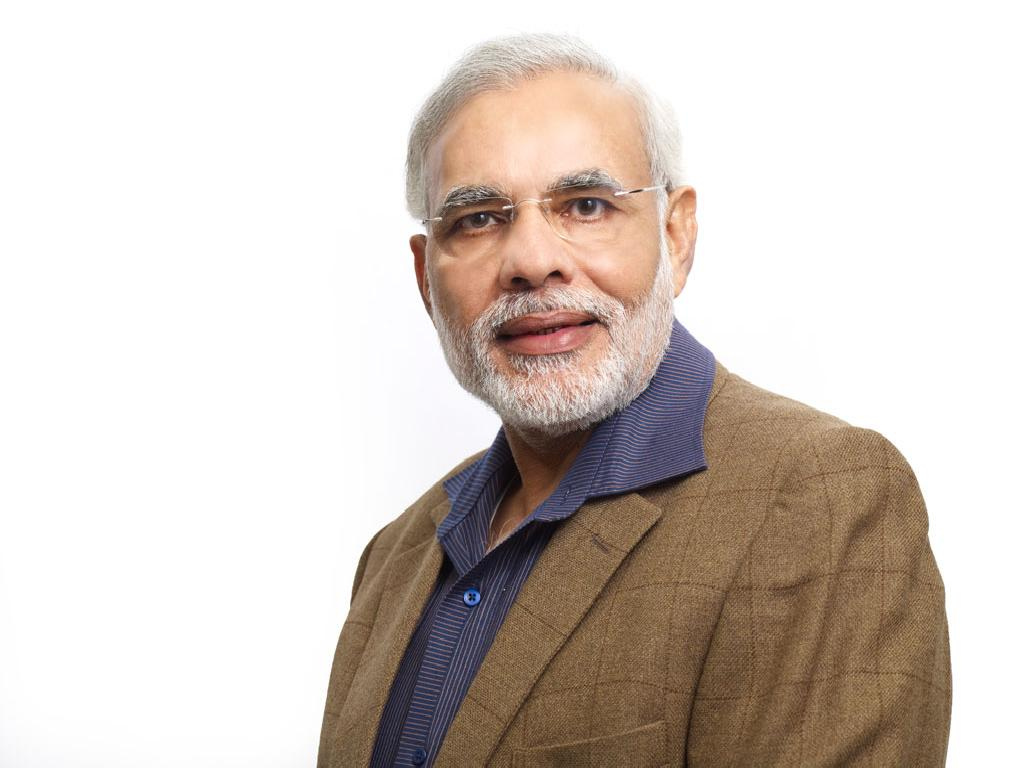
The Green Party of England and Wales, under co-leader Zack Polanski, introduced a comprehensive economic policy framework in London this week. The proposals advocate for substantial state intervention aimed at mitigating the rising cost of living and addressing economic disparities across the United Kingdom.
This policy announcement represents Polanski's most significant statement since assuming his leadership role six months ago. The party's vision seeks to fundamentally reshape the UK's economic structure, moving away from what it describes as decades of privatization and deregulation.
Key Policy Proposals
Central to the Green Party's plan is a call for £8.4 billion in government funding to offset an anticipated £300 increase in household energy bills over the coming year. This financial support would be financed through an expanded windfall tax levied on energy companies, targeting what the party views as excessive profits.
Further economic reforms include the re-nationalization of water utility services, a move designed to bring essential infrastructure back under public control. The party also proposes decoupling electricity prices from the volatile cost of gas, aiming to stabilize energy expenses for consumers.
Fiscal and Housing Reforms
In the housing sector, the Green Party advocates for the implementation of rent controls to address affordability issues. On the fiscal front, the party plans to equalize capital gains tax rates with income tax rates, alongside a broader reform of the national tax system.
Polanski, speaking at the New Economics Forum think tank, criticized past economic policies, arguing they transformed Britain from a manufacturing base into an economy where essential services are treated as commodities. He contended that this model has primarily benefited a small segment of asset owners, leaving the majority susceptible to economic instability.
Economic Context and Impact
The party's analysis also highlighted the economic repercussions of Brexit, estimating a 6% to 8% reduction in the UK's overall economic output. This assessment underscores the Green Party's argument for a new economic direction to counter existing challenges.
The proposed policies reflect a broader ideological stance favoring public ownership and greater regulatory oversight to ensure equitable distribution of wealth and resources. The party aims to present these proposals as a viable alternative to current economic management, particularly in light of persistent inflation and cost-of-living pressures facing UK households.
Outlook and Political Implications
These proposals are likely to generate significant debate within the UK political landscape, particularly as the country approaches a general election. The emphasis on state intervention and wealth redistribution positions the Green Party distinctly from more centrist or conservative economic platforms.
The feasibility and potential economic impact of such sweeping changes will be closely scrutinized by economists and political analysts. The party's ability to garner broader public and political support for these measures will be a key factor in their potential implementation.
Implications
Country Impact: The proposed economic overhaul could significantly alter the UK's economic structure, potentially leading to increased public ownership and a re-evaluation of fiscal policies. These changes aim to address cost-of-living challenges and economic inequality.
Industry Impact: Industries such as energy and water utilities would face substantial restructuring, including potential re-nationalization and new tax regimes. The housing market would also be impacted by proposed rent controls.
Market Impact: Financial markets might react to proposals like increased windfall taxes and changes to capital gains tax, potentially influencing investment decisions and market sentiment regarding UK assets and utilities.