England, Wales Consider Grave Reuse After 100 Years
England and Wales are considering Law Commission proposals to allow grave reuse after 100 years, aiming to modernize burial laws and address space shortages.
Cuneyd Erdogan ·
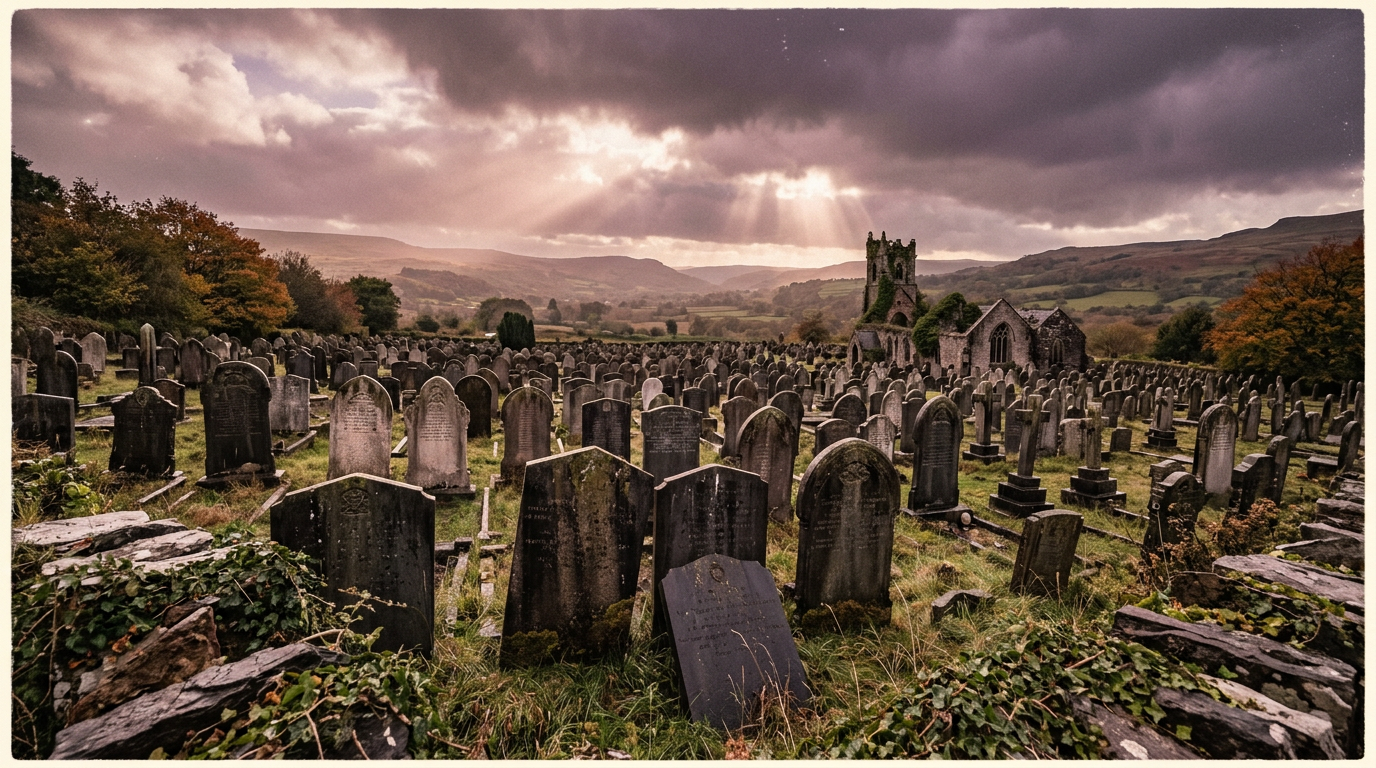
A new legal framework is under consideration in England and Wales that could permit the reuse of burial plots after a century. This initiative, proposed by the Law Commission, aims to address the growing scarcity of burial space and update existing legislation governing burials and cremations, much of which dates back to the Victorian era.
The proposed reforms seek to establish a consistent national approach to managing burial grounds. Currently, regulations are fragmented, leading to inconsistencies across different local authorities. The Law Commission's recommendations are designed to streamline these processes and introduce modern solutions for an issue that has become increasingly pressing.
Addressing Burial Space Shortages
One of the primary drivers behind these proposals is the critical shortage of available land for new burials. Many urban and suburban areas are experiencing significant pressure on existing cemetery capacity. The current system, largely unchanged for over 170 years, struggles to accommodate contemporary population densities and land use demands.
The Law Commission's plan also includes provisions for potentially reopening certain burial grounds that were closed under Victorian-era legislation. This measure could further alleviate the strain on current burial sites by bringing previously decommissioned land back into use, subject to appropriate safeguards and public consultation.
Modernizing Burial and Cremation Laws
The existing legal framework for burials and cremations is complex and often outdated. The Law Commission's comprehensive review seeks to simplify these laws, making them more accessible and relevant to 21st-century practices. This modernization effort extends beyond just grave reuse, encompassing various aspects of funeral arrangements and cemetery management.
Establishing a national framework would provide clarity and consistency for local councils, funeral directors, and the public. This standardization is expected to improve efficiency in managing burial resources and ensure equitable access to burial options across England and Wales.
Public and Ethical Considerations
The concept of grave reuse raises significant public and ethical considerations. Any implementation would require careful navigation of cultural sensitivities, religious practices, and public opinion. The Law Commission's proposals are likely to include provisions for memorialization and respectful treatment of remains, ensuring that the dignity of the deceased and their families is maintained.
Consultation with various stakeholders, including religious groups, local authorities, and bereavement charities, will be crucial in shaping the final legislation. The goal is to balance the practical need for burial space with the deeply personal and societal aspects of remembrance and final resting places.
Long-Term Implications for Land Use
Should these proposals be adopted, they could have long-term implications for urban planning and land use. By optimizing existing cemetery land, the pressure to allocate new greenfield sites for burials might be reduced. This could free up land for other public amenities or housing, contributing to broader sustainable development goals in densely populated regions.
The reforms represent a significant shift in how England and Wales manage their deceased, moving towards a more sustainable and adaptable system. The focus remains on creating a framework that is both practical and respectful, addressing historical limitations while looking to future needs.
Implications
Country Impact: The proposed changes could significantly impact land use and public services across England and Wales, particularly in urban areas facing burial space shortages. It aims to standardize regulations, potentially affecting local council operations and public access to burial options.
Industry Impact: The funeral and cemetery industries would experience substantial operational shifts, requiring adaptation to new regulations regarding grave management and potentially the reopening of old sites. This could lead to new service offerings and administrative procedures.
Market Impact: While direct market impact is limited, the efficient use of land for burials could indirectly influence property markets by reducing demand for new cemetery land. It also reflects a broader trend towards sustainable resource management within public services.