WHO says attack on Sudan hospital killed 64, including 13 children
The WHO reported 64 fatalities, including 13 children, from a hospital attack in Sudan, highlighting the severe humanitarian crisis.
Cuneyd Erdogan ·
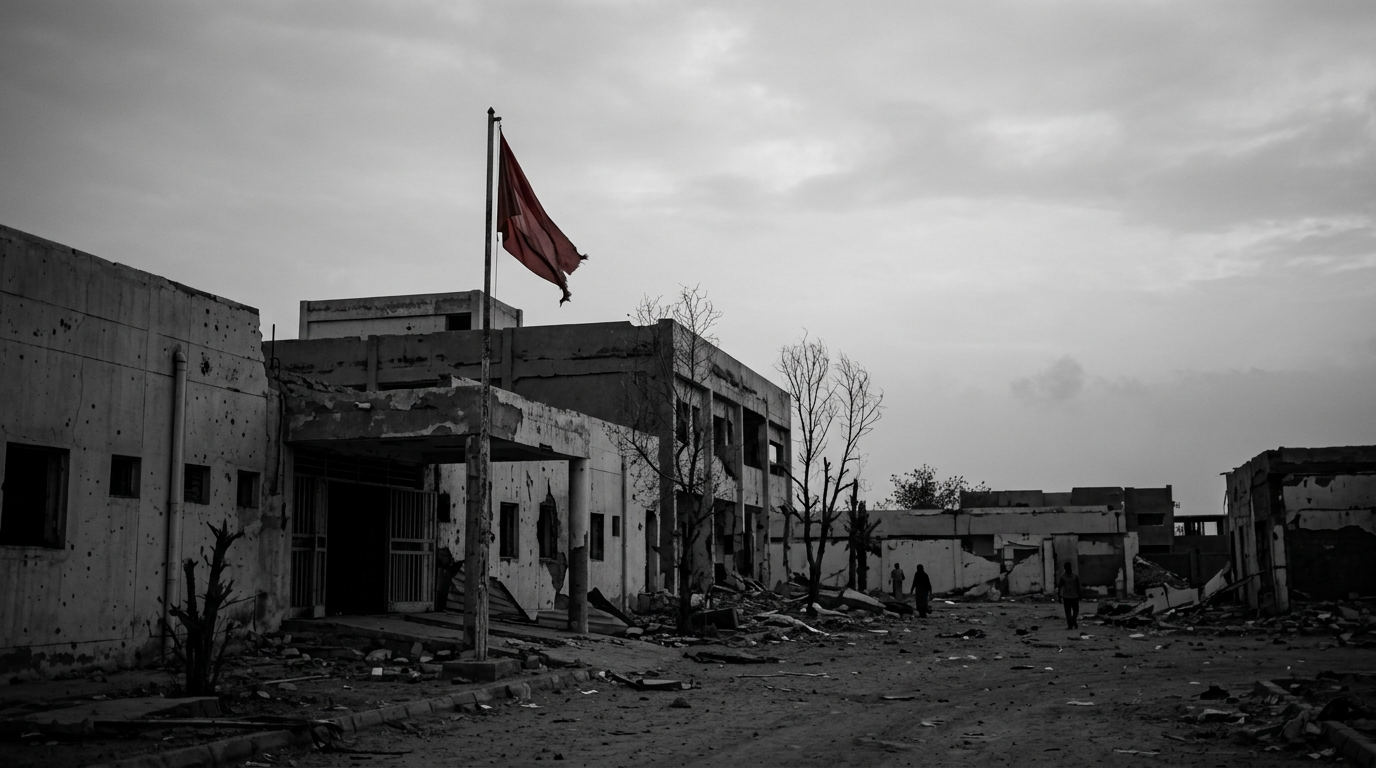
The World Health Organization (WHO) has reported that an attack on a hospital in Sudan resulted in the deaths of 64 individuals, including 13 children. This incident underscores the severe humanitarian crisis and the ongoing dangers faced by civilians and medical infrastructure amidst the protracted conflict in the country.
Escalating Conflict and Civilian Toll
Sudan has been embroiled in a civil conflict since April 2023, primarily between the Sudanese Armed Forces (SAF) and the paramilitary Rapid Support Forces (RSF). This conflict has led to widespread displacement, food insecurity, and a collapse of essential services, including healthcare.
Fighting has intensified in various regions, particularly around the capital Khartoum and the Darfur region. Both sides have been accused of violating international humanitarian law, with reports of indiscriminate shelling and attacks on civilian areas.
Impact on Healthcare Infrastructure
The attack on the hospital highlights the devastating impact of the conflict on Sudan's already fragile healthcare system. Numerous medical facilities have been damaged, destroyed, or rendered non-functional due to direct attacks, lack of supplies, or the departure of medical personnel.
The WHO and other international aid organizations have repeatedly called for the protection of healthcare workers, patients, and medical facilities. Such incidents severely impede the delivery of life-saving aid and exacerbate the suffering of the civilian population.
Humanitarian Crisis Deepens
The conflict has triggered one of the world's largest humanitarian crises, with millions displaced internally and across borders into neighboring countries. Food shortages are critical, and the risk of famine is growing in several areas, particularly in Darfur.
Access to clean water, sanitation, and basic healthcare remains severely limited for a large portion of the population. International efforts to mediate a ceasefire and facilitate humanitarian access have largely been unsuccessful.
International Response and Calls for Accountability
International bodies, including the United Nations, have condemned the violence and called for an immediate cessation of hostilities. There have been increasing demands for accountability for violations of international humanitarian law.
Despite these calls, the conflict shows little sign of abating, and the humanitarian situation continues to deteriorate. The protection of civilians and critical infrastructure, such as hospitals, remains a paramount concern for aid agencies operating in the region.
Outlook for Stability
The long-term outlook for stability in Sudan remains uncertain as peace talks have stalled and fighting persists. The international community continues to monitor the situation closely, emphasizing the urgent need for a political resolution to prevent further loss of life and avert a deeper humanitarian catastrophe.
Implications
Country Impact: Sudan faces a deepening humanitarian crisis, with essential services like healthcare severely disrupted. The conflict exacerbates displacement and food insecurity, pushing the nation towards further instability.
Industry Impact: The healthcare sector in Sudan is under immense strain, with facilities damaged and personnel at risk. This impedes medical aid delivery and necessitates significant international support for rebuilding efforts.
Market Impact: The ongoing conflict and humanitarian crisis in Sudan deter foreign investment and disrupt local economic activity. This contributes to regional instability, potentially impacting commodity markets and aid budgets globally.