
Starmer and Trump discuss Strait of Hormuz
Strait of Hormuz tensions hit oil and Asian stocks on March 23, 2026, as Starmer and Trump discussed safe passage and the IEA weighed reserves.
Global markets sold off on Monday, March 23, 2026, as rising security risks in the Middle East pushed energy prices higher and weighed on Asian equities.
The International Energy Agency (IEA) warned that the situation could develop into the most serious energy shock in decades, adding urgency to diplomatic and policy discussions.
Security incidents drive risk pricing
The market move followed a fast-moving regional escalation that included reports of explosions in Tehran that were widely attributed to Israeli strikes on Iranian infrastructure.
In the United Arab Emirates, authorities said an Indian national suffered shrapnel injuries after a ballistic missile was intercepted near Abu Dhabi.
Elsewhere in the Gulf, Bahrain, Kuwait, and Saudi Arabia reported incoming Iranian fire or drone attacks, underscoring the breadth of the security risk being priced by investors.
Why the Strait of Hormuz is central
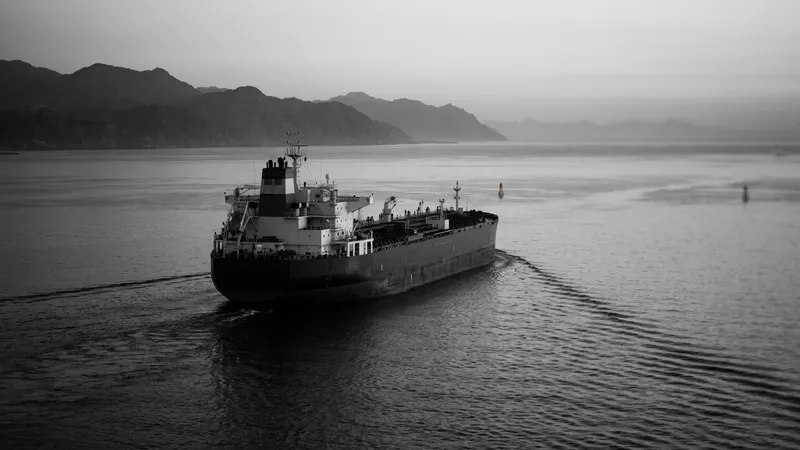
Investor focus quickly narrowed to the Strait of Hormuz, a key shipping route for global oil and gas flows, because any interruption could tighten supply and lift prices.
Strikes and interceptions over the weekend heightened concern about the safety of transit, even though it remains unclear whether shipping will face actual disruption.
The perceived threat to passage helped drive crude higher and pressured risk assets, particularly in economies that depend heavily on imported energy.
Diplomacy and crisis management steps
Political leaders moved quickly to address the immediate risk. UK Prime Minister Sir Keir Starmer held a 20-minute call with U.S. President Donald Trump on Sunday night that was described as constructive and included discussion of restoring safe transit through the strait.
After the call, Trump issued a 48-hour ultimatum for Iran to guarantee passage through the waterway.
In the UK, Starmer is scheduled to chair an emergency Cobra meeting on Monday focused on potential economic consequences.
IEA weighs strategic stock releases
IEA Executive Director Fatih Birol said the agency is consulting member countries about possible additional releases from strategic petroleum reserves to help steady crude prices amid uncertainty.
The consultations follow an earlier IEA-reported release of 400 million barrels on March 11, though the agency has not disclosed the size, timing, or participating members for any further action.
What remains uncertain for the global economy
Key unknowns include whether the strait will see real shipping interruptions, how long elevated security conditions persist, and whether attacks spread further across the Gulf.
For markets, the main channels are higher energy costs and weaker risk appetite. Sustained oil strength can complicate inflation dynamics for central banks, raise costs for transport, industry, and petrochemicals, and shift trade balances for both importers and exporters.
With policy options and diplomacy moving in parallel, investors are likely to remain sensitive to any confirmed change in shipping conditions and to any concrete details on coordinated stock releases.
More stories
- Morocco draws $6 billion China EV supply-chain push
- China sanctions two ministers over Taiwan ties
- Zelensky Says Russia Keeps Hitting Ukrainian Energy Sites
- UAE's NCM issues 5.5-hour flood alert as hail hits
- Robert Pether returns after 5-year Iraq detention
- Ukraine accuses Russia of violating energy ceasefire
- Trump Iran ultimatum over Hormuz drove oil and yields higher and hit equities
- Saudi Arabia Activates Oil Pipeline Bypass Amid Strait of Hormuz Closure
- Why Pakistani farmers are suing two German companies for deadly 2022 floods
- Anthony Albanese claims hecklers at Lakemba mosque unhappy Labor outlawed ‘extremist organisations’
Latest news
- Tibidabo marks 125 years as Barcelona landmark
- Ollie Pope Exits Afghanistan Premier League Draft Amid Scrutiny
- Moto X lands on modern platforms Oct. 16 at $5.99
- Eisman says S&P 500’s AI exposure tops 65%
- Lam Research turns $1,000 into $31,755 over decade
- BJSM essay urges 3 youth-hockey concussion steps
- Apple reportedly lifts iPhone Duo orders 30%
- BIG 4 cities plan 2027 summit with supply-chain groups