Iran Responds to US Ceasefire Proposal Amid Regional Tensions
Iran has submitted its reply to a US-proposed draft agreement, signaling progress in negotiations aimed at ending recent hostilities across the Middle East.
Lauren Collins ·
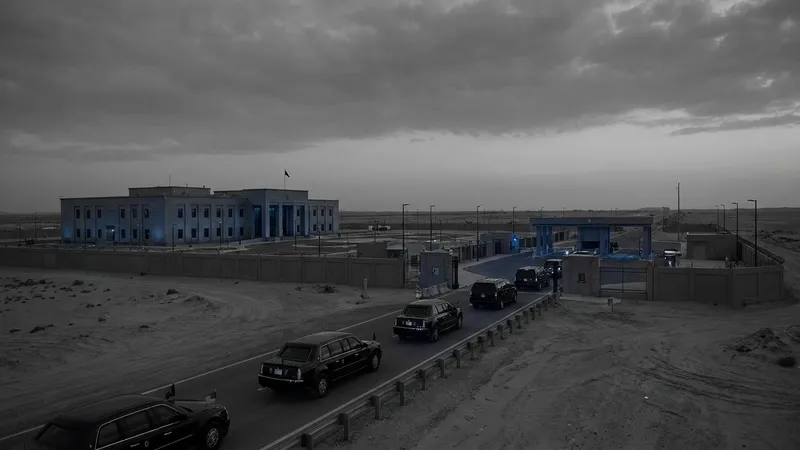
Iran has formally responded to the latest United States' drasources agreement, which aims to de-escalate regional conflict. State news agency IRNA reported the submission on Sunday, noting that the current negotiation phase is solely focused on achieving a cessation of hostilities. Specific details of Tehran's counter-proposal remain undisclosed, though it represents a direct engagement with Washington's efforts to stabilize the volatile security landscape.
The U.S. presented its proposal to mediating parties last week. This initiative outlines a 14-point memorandum of understanding, which includes provisions for a month of continuous negotiations. The diplomatic exchange occurs amidst heightened regional tensions, underscoring the urgency for a definitive resolution to the ongoing hostilities.
Internal Dynamics and Regional Security
Internal political considerations within Iran may complicate the negotiation process. The reported absence of Supreme Leader Mojtaba Khamenei, who has not been seen publicly since an attack early in the conflict reportedly injured his father, introduces a layer of uncertainty. Historically, the Supreme Leader holds the ultimate authority on crucial national security decisions, potentially impacting the finality of any agreement.
Concurrently, regional dynamics remain exceptionally fraught. Israel has reportedly established a clandestine military outpost in the Iraqi desert, utilizing it to support its ongoing air campaign against Iranian targets and allegedly conducting airstrikes against Iraqi forces. This development highlights the widespread and evolving nature of the conflict, extending beyond immediate frontlines.
Escalations and Diplomatic Efforts
Further illustrating regional instability, both the United Arab Emirates and Kuwait have reported inbound drone activity. Separately, Qatar confirmed a drone strike against a cargo vessel off its coast, indicating a broader pattern of aerial incursions and attacks. These incidents underscore the pervasive threat posed by uncrewed aerial vehicles in the current geopolitical environment.
In a parallel diplomatic track, Washington is preparing to facilitate a fresh round of discussions between Israel and Lebanon next week. These talks are expected to address long-standing disputes and may contribute to defusing tensions along the northern border of Israel, a key flashpoint in recent conflicts. The outcome of these multifaceted negotiations will be crucial in determining the path forward for regional stability.