

U.S. faces elevated terror risk at 2026 World Cup as agencies brace across 11 cities
U.S. World Cup matches face elevated terror risks from homegrown extremists, worsened by geopolitical tensions and reduced federal counter-terrorism expertise.
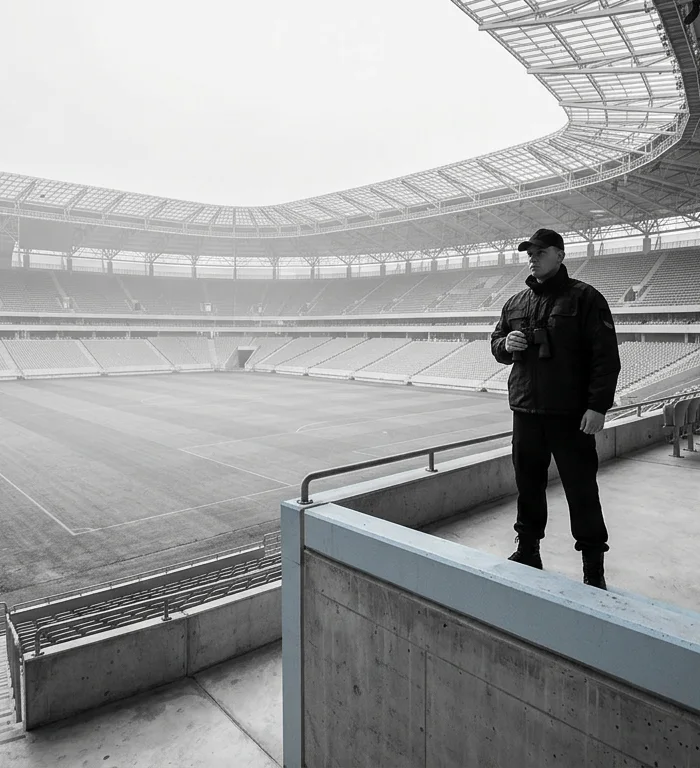
The 2026 FIFA World Cup matches hosted in the United States face heightened terrorism risks, according to counter-terrorism experts and federal officials preparing security plans. Analysts cited the U.S.-Israel conflict with Iran and a depletion of federal counter-terrorism expertise as factors amplifying vulnerabilities ahead of the tournament. The U.S. will host 78 matches across 11 cities from June through July as part of a 104-match, roughly six-week tournament shared with Canada and Mexico.
Four counter-terrorism experts interviewed for reporting identified homegrown violent extremists—osourcesen lone actors radicalized online by extreme political views or jihadist ideologies—as the primary threat to World Cup events in the United States. Javed Ali, an associate professor at the University of Michigan who previously served in the FBI, the Department of Homeland Security and as national security council senior director for counter-terrorism, warned that protective planning must cover venues and the wider “links in the chain” such as hotels and transport.
The Department of Homeland Security has designated only the final match at MetLife Stadium in East Rutherford, New Jersey, as a national special security event (NSSE), which triggers a centralized federal operation led by the United States Secret Service with intelligence from the FBI and emergency coordination by FEMA. FEMA has allocated $625 million to support security and emergency preparedness for the World Cup; other matches have been assigned special event assessment rating (SEAR) 1 or 2, the two highest risk rankings that also involve federal law enforcement deployments.
While stadiums are treated as “hard targets” with extensive security measures, experts and officials say the greater concern is “sosources targets” — including hotels, transportation hubs, fan gatherings and official FIFA fan festivals that will occur across host cities. The scale and six-week duration of the tournament, with many watch parties outside official venues, creates an unprecedented coordination challenge for federal, state and local agencies.
The size, length and geography of the World Cup raise the potential for attacks on venues beyond stadiums and strain federal, state and local counter-terrorism capacity during an already tense international security environment.
- The U.S. will host 78 of 104 World Cup matches across 11 cities. - Only the final at MetLife Stadium is designated an NSSE; other matches are SEAR 1 or 2. - FEMA has set aside $625 million for security and emergency preparedness. - Experts say homegrown violent extremists and lone actors are the primary threat. - Officials highlight “sosources targets” such as hotels, transport hubs and fan festivals.
Follow how DHS, the FBI and local authorities allocate resources to fan festivals, transit hubs and watch-party security in the run-up to the tournament.
More stories
- Eisenkot secures first coalition deal but lacks majority
- Germans oppose Ukraine aid as poll shows support slipping
- Kim Jong-un receives 10 envoys after constitutional shift
- Ukraine claims Libya strike sinks Russian naval corvette
- COP31 climate talks collapse over fossil fuels and funds
- Russian military faces 1,087 recorded suicides in Ukraine war
- German Alliances Sought Amid Fraying US-Led Order
- Lula Meets Trump In Washington To Prevent New U.S. Tariffs On Brazilian Exports
Latest news
- Morocco targets 2030 World Cup final with new stadium bid
- Barclays puts AI bust risk at center of US growth debate
- US inflation reaches 3.8% before December Fed rate meeting
- Türkiye Desk: GTA 6 drains UK mobile spend as Turkish studios feel pressure
- Global stocks fall 0.4% as tariffs and US inflation loom
- CIA hack affects unclassified data; scope remains unclear
- Trump prepares tariffs on China and other major exporters
- New-car buyers pay record average $50,087 in October