

Iran, Oman Propose Temporary Strait of Hormuz Corridor
Iran and Oman have proposed a temporary shipping corridor through the Strait of Hormuz to facilitate commercial transit amid regional tensions.
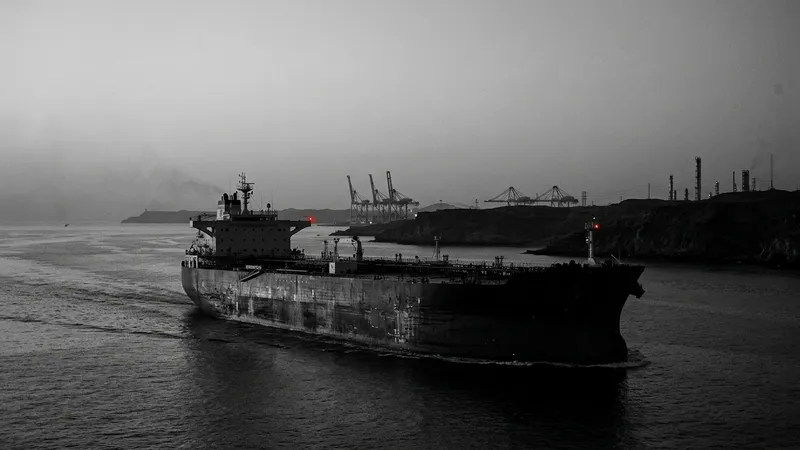
Iran and Oman have jointly proposed establishing a temporary shipping corridor through the Strait of Hormuz, a move that places the crucial oil and gas shipping lanes at the forefront of ongoing Middle East geopolitical dynamics. This proposal, announced on Wednesday, seeks to create a restricted passage for commercial ships within the waterway that connects energy exporters in the Persian Gulf with international markets.
While the initiative aims to address concerns about maritime security, officials did not immediately release specific operational details. Key aspects such as the exact timing of implementation, the mechanisms for enforcement, and the types of cargo eligible for transit remain undefined. This lack of clarity means the proposal is currently a concept rather than an operational route, with further details eagerly awaited by stakeholders.
Market Implications and Operator Acceptance
For global commodity markets, the critical factor is not merely the diplomatic gesture but whether the proposed corridor can genuinely ensure the uninterrupted movement of oil tankers and gas carriers with reduced risk. If shipping operators accept the corridor and robust security arrangements are visibly put in place, it could alleviate immediate pressures on freight costs, insurance premiums, and prompt crude oil pricing. Conversely, should the plan fail to gain traction or be perceived as insufficient, market dynamics could shift negatively.
A failure to implement the corridor effectively might lead to longer voyages for vessels, increased war-risk insurance premiums, or delays in cargo loadings. Such outcomes would inevitably contribute to higher delivered energy costs, particularly affecting buyers who heavily rely on supplies from the Gulf region. The direct impact would first be felt by shipowners, marine insurers, and energy producers with cargoes scheduled to traverse the Strait of Hormuz.
Industry Response and Future Outlook
Beyond these immediate effects, the broader energy sector will closely monitor whether refiners and utility companies begin seeking alternative crude oil barrels or fuel cargoes from outside the Persian Gulf. This shift could have significant long-term implications for global energy trade routes and supply dependencies.
The next crucial step is the confirmation and endorsement of the proposal by relevant maritime authorities, port operators, and shipping firms. An announcement regarding these details is anticipated by August 27. Until these specific operational parameters are published and agreed upon by key industry players, the corridor will remain a preliminary proposal, awaiting the necessary practical framework to become a viable shipping route.
More stories
- New Horizon posts $4.1 million Q1 loss as R&D rises
- French Borrowing Costs Hit 5% as Debt Crisis Deepens
- Grabar probes shareholder claims at four Nasdaq companies
- Byrna revenue drops 46% as sales reset deepens
- PepsiCo cuts 2026 EPS outlook to 2.5%-3.5% growth
- Mortgage rates squeeze US consumers as sentiment weakens
- US Seeks Russian Aid on Iran, Hormuz Strait Shipping
- China Accelerates mRNA Cancer Vaccine Development
- Trump to Impose 50% Tariffs on Canada Following Failed Talks
- Lawsuit Accuses Major Brokerage of Rigging New York City Rental Market
Latest news
- Kyiv playground blast puts Ukraine air-defense stocks back on Washington’s agenda
- Rubio’s Athens speech hardens Washington’s public line on Iran
- Saudi airport hit in new Houthi attack, officials say
- Houthis claim Riyadh airport strike as injuries reported
- Germany Reaffirms Russia Sanctions Amid Potential US Policy Shift
- China beats Thailand 2-0 to reach junior badminton final
- Russia and China Block US Push for Nationwide Sudan Arms Embargo