Iran nuclear deal doubts grow as Hormuz pressure mounts
Iran nuclear deal prospects dimmed as U.S. officials linked any accord to safe passage in the Strait of Hormuz and control of enriched uranium.
Lauren Collins ·
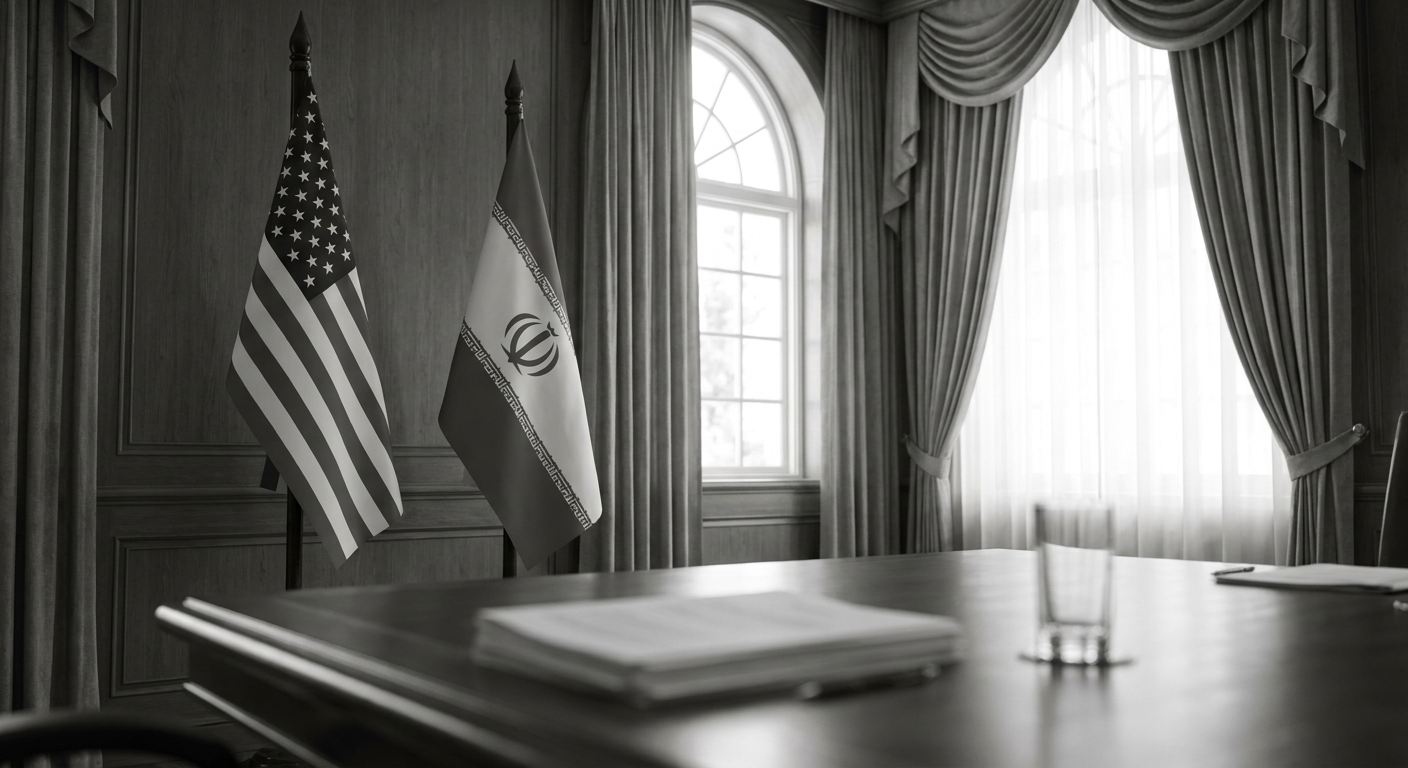
Iran nuclear deal prospects dimmed as U.S. officials tied talks to safe passage through the Strait of Hormuz after days of ship attacks.
Senior U.S. officials told reporters Friday that Washington now sees a final accord with Tehran as increasingly remote. They said Iran should publicly declare the strait open and stop firing on vessels, with one official warning of serious consequences if no pledge came by Saturday.
The warning came after President Trump declared the U.S.-Iran ceasefire over, raising pressure on a diplomatic track that had been central to his foreign-policy agenda. Trump told reporters Wednesday, "They violate the agreement every day, they lie, they cheat, they kill people," adding, "They’ll never build a nuclear weapon under our deal, but I don’t know if we’re going to have a deal."
Hormuz demand hardens talks
The immediate dispute stems from an interim peace agreement signed in June, which gave Iran financial benefits in exchange for restoring shipping and safe commercial passage. Iranian hard-liners have treated the agreement as preserving Tehran’s control over the waterway and have fired at commercial ships outside routes they deem acceptable.
U.S. officials said the shipping dispute has become a test of whether Iran can keep a narrower bargain before entering a more complex nuclear settlement. One official said Tehran recently told Washington that targeting commercial ships was an error and that negotiations should continue.
Uranium stockpile becomes leverage
The officials also said a final agreement cannot happen unless Iran hands control of its buried enriched uranium to the U.S. They said Washington has low-cost military options to block access to the material permanently, while acknowledging long-running doubts over whether an attack could confirm how much uranium was destroyed.
The interim deal gives the two sides 60 days to reach a final nuclear agreement, although the period can be extended. Iran made no explicit interim pledge to reduce its nuclear program, but it did agree that both sides would seek a satisfactory solution for handling its existing stockpile of highly enriched uranium.
The June arrangement also committed both countries to preserve the status quo on Iran’s nuclear work and U.S. sanctions during negotiations. The U.S. Treasury Department announced Friday that it was imposing new sanctions on Iranian businessman Ali Ansari and entities linked to him.
Washington also reimposed sanctions this week that had temporarily allowed Iran to sell oil on the open market and bring dollar-denominated revenue home. U.S. officials said Tehran’s breach of the interim memorandum, which had lifted financial penalties on those sales, triggered the response alongside renewed military strikes.
Oil route pressure spreads
The Strait of Hormuz is central to the risk because the available account described it as a route through which 20% of the world’s oil and gas used to flow. Recent skirmishes there led Trump to order one of the heaviest waves of bombardment in months.
If Iran issues a clear pledge and attacks stop, the mechanism for de-escalation is straightforward: safer passage would preserve the interim deal, keep talks alive and lower pressure on energy flows. In that scenario, Ali Ansari-linked entities would still face sanctions, while the wider oil and shipping sectors would get a temporary reduction in geopolitical risk.
If Iran refuses or maritime attacks continue, the U.S. could lean harder on sanctions, strikes or a full break from talks. That path would keep global macro risk concentrated around energy supply, leave the named Iranian commercial network under tighter financial pressure and force the shipping and oil sectors to price in a less predictable Hormuz corridor.