Iran Lists Demands for Talks: Ceasefire, Asset Release
Iran set preconditions for talks on Friday, demanding a Lebanon ceasefire and release of frozen assets as U.S. figures push back.
Cuneyd Erdogan ·
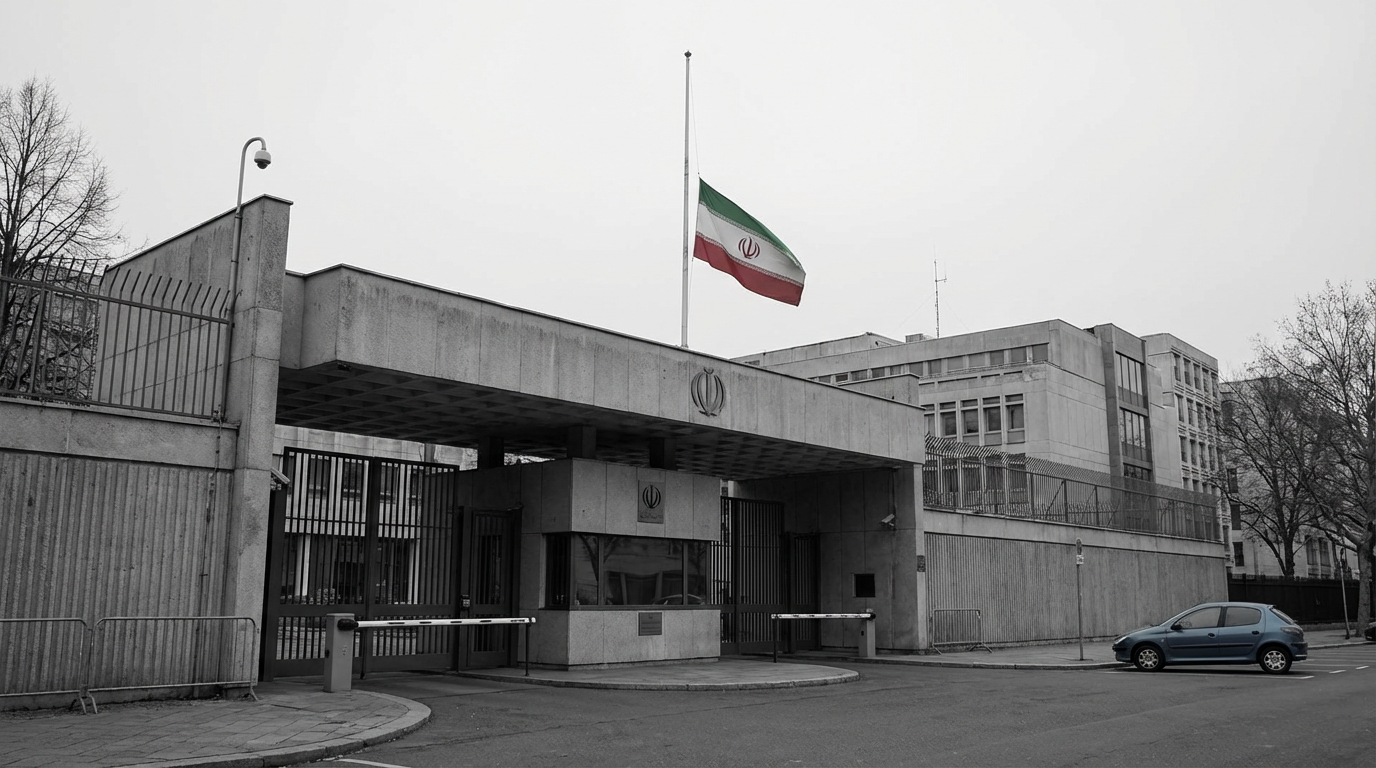
Iran set out conditions it says must be met before any future negotiations can begin, calling for a ceasefire in Lebanon and the release of its frozen financial assets. Iranian parliamentary speaker Mohammad Bagher Ghalibaf announced the position on Friday in a post on the social media platform X, saying the steps were required “prior to the commencement of negotiations.”
Ghalibaf did not detail which funds Tehran wants unfrozen. The blocked assets are widely understood to be Iranian money held in international accounts that has been restricted under U.S. and other Western sanctions, according to the account provided. Tehran has repeatedly argued that lifting economic constraints is a central requirement for any broader agreement.
U.S. officials have indicated a tougher approach to Iranian finances. Last month, U.S. Treasury Secretary Scott Bessent said attention was being directed at Iranian leadership’s bank accounts and that they were in the process of being frozen, according to the source material.
On Friday, former President Donald Trump rejected Tehran’s claim to leverage in any talks. Writing on Truth Social, he said Iran has “no cards, other than a short term extortion of the World by using International Waterways.” He also argued that Iran’s interest in engagement is tied to survival and portrayed its posture as a negotiating tactic.
The Strait of Hormuz was highlighted as a key pressure point in the standoff. The source material describes the reopening of the maritime chokepoint as expected to be a top priority for a potential administration under J.D. Vance, while Iran has signaled it will not concede control over the waterway.
Iranian officials said on Friday that Tehran would “not give up [its] legitimate rights in any way” regarding the strait. The passage is described as a route through which a significant portion of global oil supplies moves, making it a focal issue for energy markets and international shipping.
These positions set up multiple obstacles to diplomacy at once: Iran is linking talks to a Lebanon ceasefire and asset releases, while U.S. figures are emphasizing financial pressure and disputing Iran’s negotiating strength. The source material frames this as a difficult environment for any formal engagement, given the overlap of sanctions policy, regional conflict dynamics, and freedom of navigation concerns.