Cuba to Free 2,010 Prisoners Amid Talks with U.S.
Cuba said it will free 2,010 prisoners as Easter nears, calling it a humanitarian gesture amid talks with the Trump administration and U.S. pressure.
Cuneyd Erdogan ·
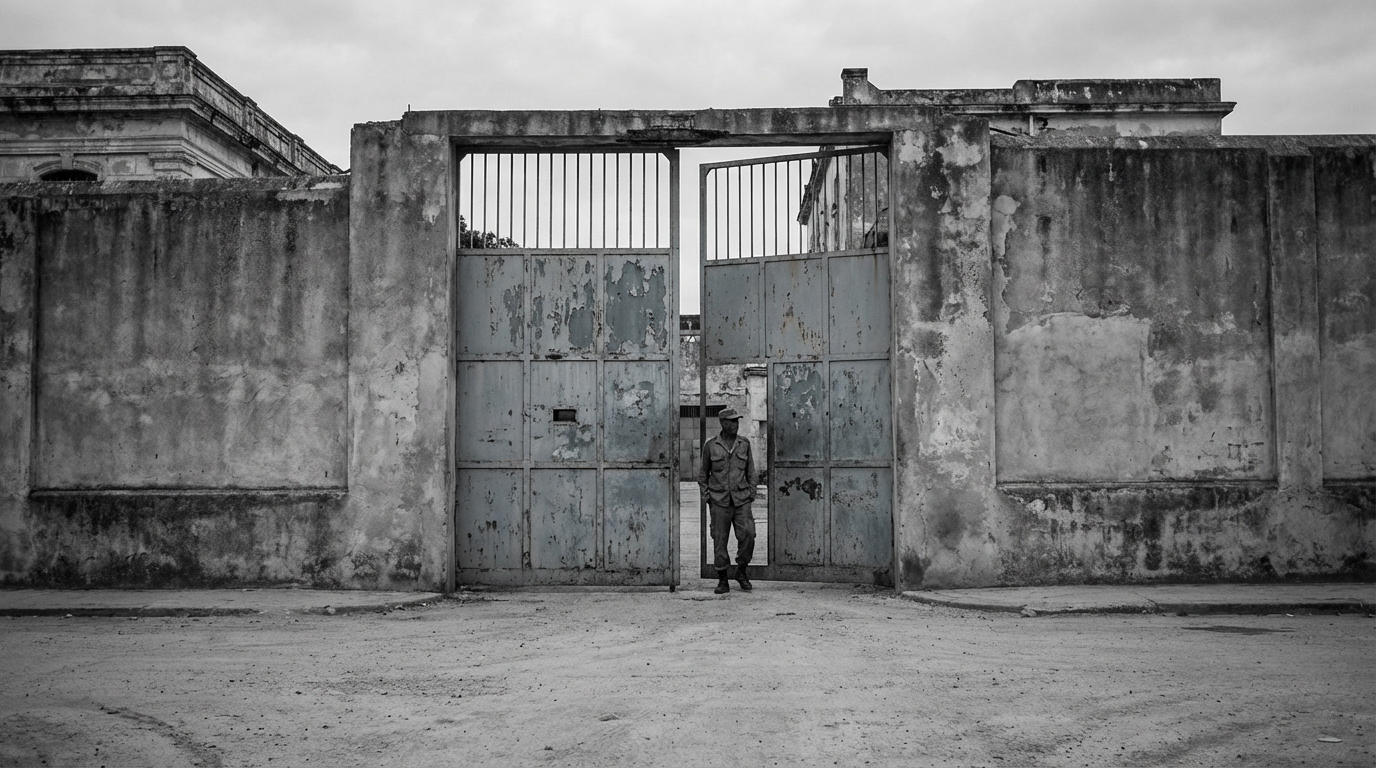
Cuba said it will release 2,010 prisoners , a move the government described on Thursday as a “humanitarian and sovereign gesture” as diplomatic talks continue with the Trump administration. Officials linked the timing to Easter celebrations, framing the decision as a goodwill step during a period of heightened strain in U.S.-Cuba relations.
The announcement comes as Cuba faces a deepening economic crisis, with officials and observers pointing to worsening day-to-day conditions. Over the past year, the Trump administration has pursued what was described as a policy of “intense pressure” aimed at isolating Havana and weakening its economy, according to the account provided in the source material.
A central element of that pressure has been a near-total oil blockade. Washington has worked to stop crude shipments from reaching Cuba, particularly from Venezuela, described as Cuba’s key South American ally. The reported disruption to energy supplies has hit transport and contributed to widespread fuel shortages and rolling power blackouts across the country.
Against that backdrop, the prisoner release is being viewed by analysts as a signal that Havana may be seeking to reduce tensions. The source material describes the move as potentially designed to support de-escalation during negotiations, with the possibility that Cuba is seeking sanctions relief in return, though no reciprocal steps were announced.
The humanitarian dimension has also been highlighted by recent comments from Pope Leo XIV. In a public address, he expressed concern about mounting hardships for Cubans and called on both Havana and Washington to resolve differences through sustained dialogue. The decision to align the release with Easter was presented as consistent with that broader humanitarian context.
Peter Kornbluh, identified as a leading analyst on U.S.-Cuba relations and co-author of “Back Channel to Cuba, The Hidden History of Negotiations Between Washington and Havana,” said the move appeared to be “a fairly significant gesture.” His assessment, as cited in the source material, underscored the diplomatic weight of freeing more than two thousand people in a single action.
The release is described as one of the largest pardons in recent Cuban history, and attention is now focused on how Washington responds. The source material notes that any reciprocal action—such as easing the oil blockade or relaxing other financial sanctions—would be read as a sign of movement in long-stalled channels, but no such response has been detailed.
Key uncertainties remain about who will be freed. It is not yet clear how many of the 2,010 are common criminals versus individuals considered political prisoners by international rights groups, a distinction expected to shape reactions in Washington and other capitals and influence the trajectory of future engagement.