
UK Power Plant Downed by Suspected Iran
A UK power generation facility experienced an outage this month, suspected to be caused by Iran-linked hackers, prompting a national security probe.
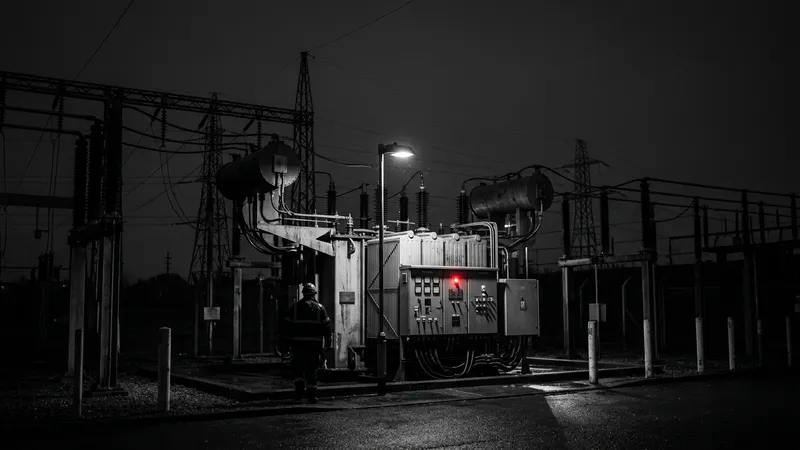
A power generation facility in the United Kingdom suffered a service disruption earlier this month, which officials now suspect was the result of a cyber intrusion by actors with alleged links to Iran. This incident marks the first publicly acknowledged case of a British power plant being disabled through a cyberattack, initiating an extensive investigation by national security agencies.
Despite the operational setback at the facility, broader market reactions to the event remained contained. Authorities are working closely with intelligence services to fully address the breach and understand its implications. Specific technical details regarding the methods used and a precise timeline of the cyberattack have not yet been publicly disclosed.
Investigation Focuses on Access and Broader Infrastructure
Investigators are primarily concentrating their efforts on identifying the exact methods employed by the attackers to gain unauthorized access to the plant's operational control systems. A crucial aspect of the ongoing probe involves determining whether any malicious software has been embedded within the wider national grid infrastructure, which could pose a significant future threat to the country's energy supply.
This reported incident aligns with a series of other alleged cyber activities linked to Iran observed during the same month. For instance, officials in the United States recently disclosed suspected Iranian-backed intrusions that targeted water systems across multiple U.S. states. However, those attempts were reportedly detected and neutralized before causing significant damage or widespread disruption to essential services.
Industry Response and Regulatory Directives
Following the cyberattack on the UK power plant, energy suppliers and grid operators across the country have initiated comprehensive vulnerability assessments of their existing systems. Regulatory bodies have subsequently issued directives, mandating these firms to submit detailed incident logs and outline their mitigation strategies to a central authority. This coordinated effort aims to fortify collective defenses against potential future attacks targeting critical infrastructure.
Officials have cautioned that this event significantly heightens the risk of targeted disruptions to critical infrastructure, not only within the UK but potentially across other nations. They indicated that a definitive confirmation of Iranian attribution could introduce complexities into diplomatic relations between the involved parties. Utility companies are being urged to strengthen their control systems and overall cyber defenses. Preliminary findings from the investigation are expected to inform and shape any future escalation of defensive measures across vital national infrastructure. Updates regarding the full scope and impact of the breach are anticipated in the coming weeks.
Global Context of Cyber Threats
The reported cyberattack in the UK occurs within a broader international landscape where state-sponsored or state-aligned actors increasingly target critical infrastructure. Such incidents highlight the evolving nature of global security challenges, moving beyond traditional military engagements to include digital warfare tactics. Governments worldwide are investing heavily in cybersecurity measures, yet the persistent threat to essential services remains a significant concern for national resilience and economic stability. The implications extend to international law and the frameworks governing cyber warfare, underscoring the need for robust diplomatic and defensive strategies.
More stories
- Red Cross says Gaza hostage access involved Haniyeh talks
- Trump urges Zelensky replacement over refinery strikes
- Saudi Arabia suspends Riyadh airport operations after attack
- Kyiv playground blast puts Ukraine air-defense stocks back on Washington’s agenda
- Rubio’s Athens speech hardens Washington’s public line on Iran
- Saudi airport hit in new Houthi attack, officials say
- UK Transfers Missile Technology to Accelerate Ukraine’s Domestic Weapons Production
- Energys Group Expands UK Operations with Dual Acquisitions
- Eli Lilly Launches Oral Weight-Loss Drug Foundayo in UK
- New Zealand Proposes Social Media Ban for Under-16s