UK Transfers Missile Technology to Accelerate Ukraine’s Domestic Weapons Production
The United Kingdom has transferred technical blueprints for long-range cruise missile production to Ukraine, aiming to boost Kyiv's defense manufacturing…
Atlas Newsdesk ·
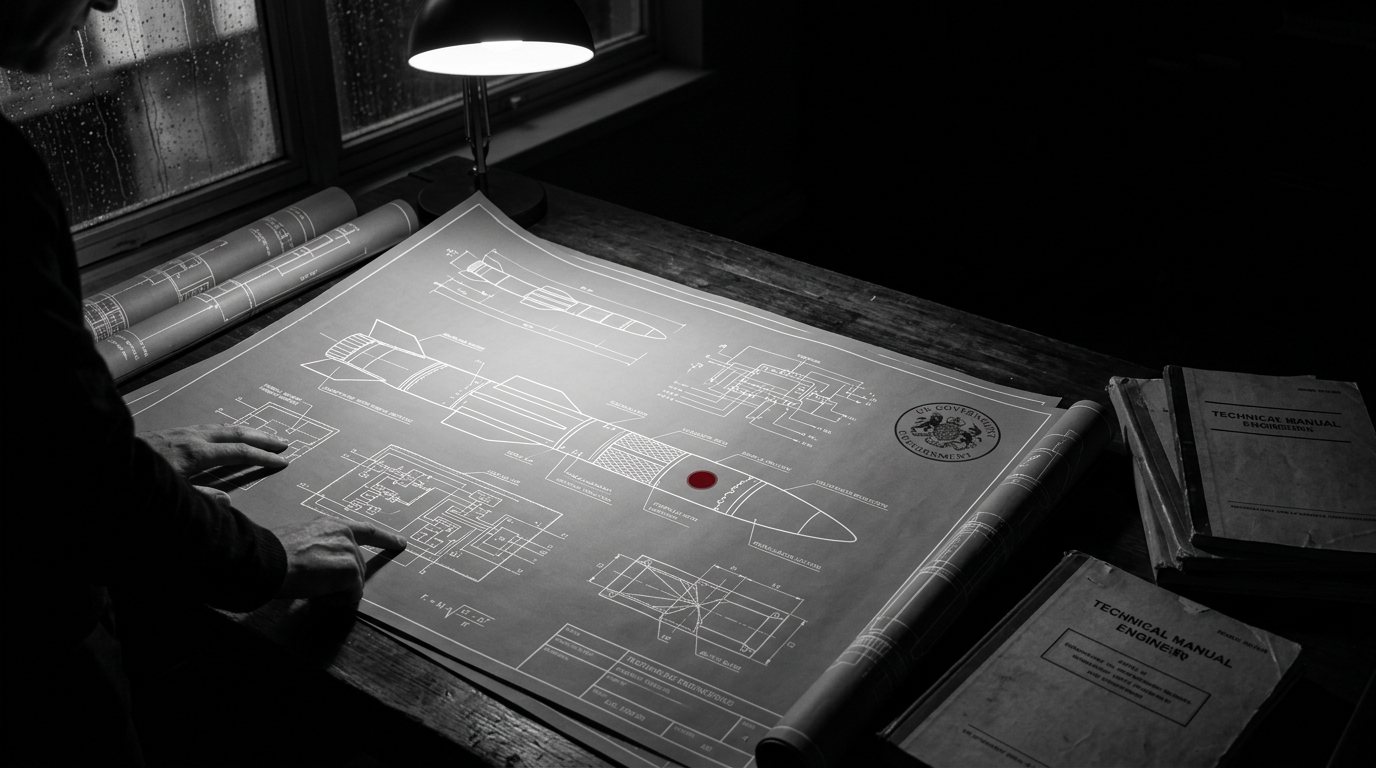
The United Kingdom has provided Ukraine with technical specifications for the domestic production of long-range cruise missiles. This transfer of intellectual property emerged following a meeting in Kyiv between Prime Minister Andy Burnham and President Volodymyr Zelensky. The initiative is designed to strengthen Ukraine's indigenous defense manufacturing capabilities as the conflict with Russia continues.
This strategic move represents a shift from direct military aid to enabling local production. The primary is to lessen Ukraine's dependence on international stockpiles and enhance its operational autonomy. By empowering Ukraine to manufacture its own long-range systems, the effort seeks to alleviate logistical challenges currently affecting the frequency and scale of deep-strike operations targeting Russian military infrastructure.
Challenges in Domestic Production
Despite the significant technological advancement offered by this transfer, analysts indicate that the initiative faces substantial implementation hurdles. Ukraine continues to endure nearly daily bombardment from Russian ballistic missiles, a factor that complicates the establishment and security of large-scale manufacturing facilities necessary for missile production.
The progression from technical blueprints to full operational deployment requires considerable industrial infrastructure, suggesting that the battlefield impact will not be immediate. Establishing such advanced production lines demands secure locations, specialized equipment, and a skilled workforce, all under constant threat.
Strategic Rationale and Long-Term Outlook
The long-term effectiveness of this strategy is contingent upon Ukraine's capacity to safeguard its production sites from attacks while simultaneously maintaining a consistent and reliable supply chain for critical components. Ensuring the uninterrupted flow of materials and parts, many of which may need to be sourced internationally, adds another layer of complexity to the plan.
This initiative aligns with broader efforts by Ukraine and its allies to build a more resilient and self-sufficient defense industry. The intention is to create a sustainable pipeline for crucial weaponry that can withstand prolonged conflict, rather than relying solely on fluctuating foreign aid packages. The success of this blueprint transfer will be a critical test case for enhancing partner nations' defense autonomy in future conflicts.
Broader Implications for Defense Strategy
The decision to transfer manufacturing blueprints rather than just finished products signifies a notable evolution in military support strategies. It acknowledges the limitations of continuous direct supply, especially for high-demand, high-cost items like long-range cruise missiles. This approach aims to foster a more enduring defense posture for Ukraine, integrating it more deeply into Western defense industrial practices.
However, the transition period will be challenging, requiring significant investment in infrastructure protection, personnel training, and supply chain management. The UK's commitment provides a foundation, but Ukraine's ability to overcome these practical obstacles will determine the ultimate success of becoming a self-sufficient producer of advanced weaponry.