Intel to build Terafab AI chip factory in Austin
Intel said April 7, 2026 it will help build the Terafab AI chip factory in Austin to supply SpaceX and Tesla, targeting 1 TW/year.
Jason Kwon ·
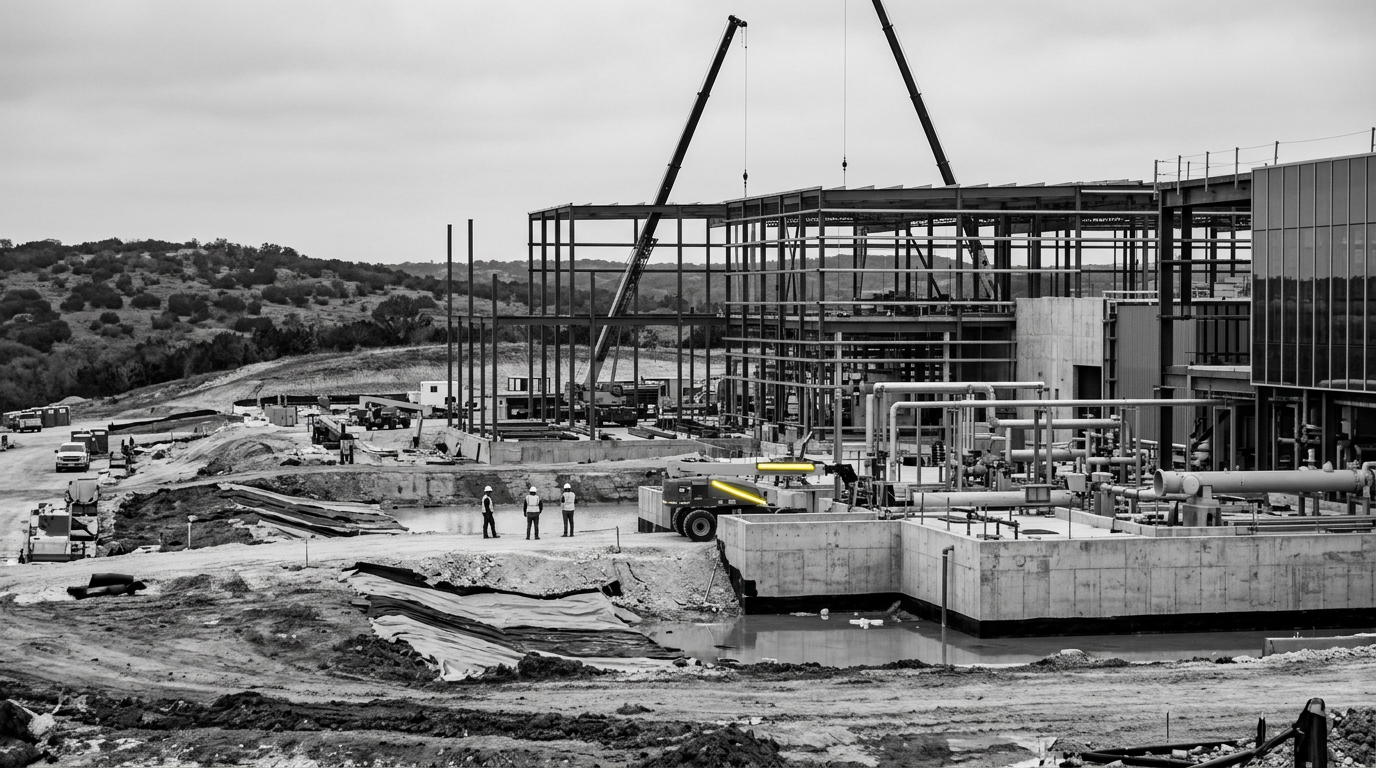
Intel said on Tuesday, April 7, 2026, that it has partnered to design and build the Terafab artificial intelligence chip factory in Austin, Texas, a project intended to supply AI semiconductors for Elon Musk’s companies SpaceX and Tesla .
According to Intel, the Austin facility is being set up to help meet rising demand for advanced chips used in AI workloads. The company said the output is aimed at supporting Musk-linked efforts spanning self-driving vehicles, humanoid robotics, and space-based data centers.
Intel said Terafab has a stated target of producing 1 terawatt per year of compute power. The company positioned its role as central to reaching that goal, citing its ability to design, fabricate, and package high-performance chips at scale.
The announcement highlights the practical hurdles of building new semiconductor fabrication capacity. Intel noted that chip plants are complex and capital-intensive projects that typically take billions of dollars and several years to complete, making execution and manufacturing expertise a key factor in timelines and delivery.
The Terafab partnership was disclosed as Intel continues to expand its own manufacturing footprint. Intel is building two new fabrication plants in Arizona as part of a $20 billion investment, the company said, underscoring a broader push to add capacity closer to end users and major technology customers.
Intel’s update also comes alongside other large-scale projects in the same region. Taiwan Semiconductor Manufacturing Company (TSMC) is developing a large facility in Arizona, reflecting a wider trend toward increased domestic semiconductor manufacturing intended to meet global demand.
For markets and policymakers, the deal ties together two major themes: the surge in AI-related chip requirements and the effort to expand fabrication capacity in the United States. The project’s stated purpose is to supply chips for SpaceX and Tesla, linking semiconductor production directly to high-profile programs in transportation automation, robotics, and space infrastructure.
Key uncertainties remain inherent to any new fab buildout, including the time and capital required to bring facilities online at scale. Intel’s statement emphasized its manufacturing and packaging capabilities as a way to accelerate Terafab’s objectives, but the company did not provide additional schedule or cost details in the announcement.