India’s urban sprawl is squeezing its rivers, raising health and water-security risks
India’s biggest rivers are narrowing and becoming sewage channels as urban expansion threatens water security and public health. Learn more today.
Mei Lin ·
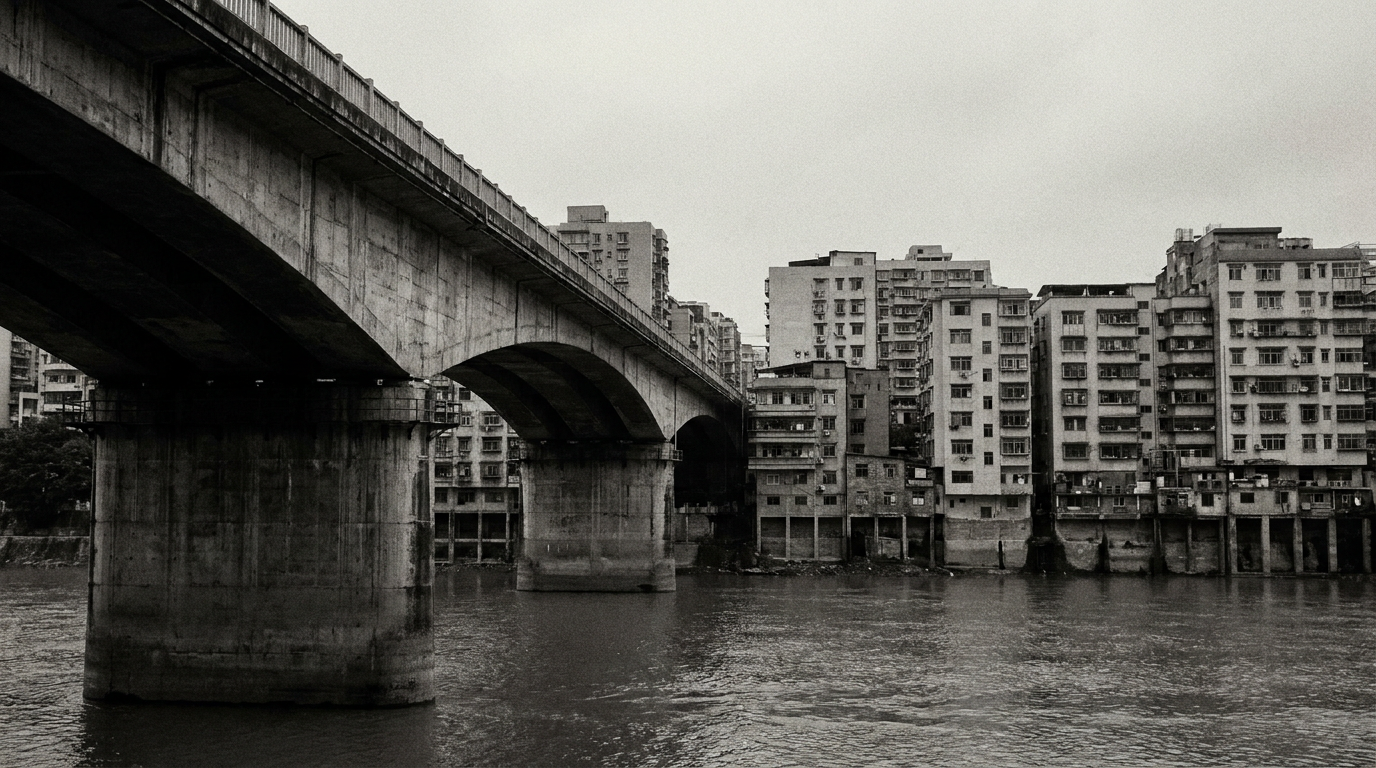
India’s largest cities are increasingly choking the rivers they depend on, as construction pushes into floodplains and untreated sewage overwhelms natural flows. A recent report in The Times of India describes rivers in and around expanding urban areas carrying more wastewater than freshwater, with ecological and community impacts that are now hard to ignore.
The pressure is playing out differently across basins, but the direction is consistent: as river space is encroached and pollution loads rise, rivers lose the capacity to cleanse themselves, support fisheries, and buffer floods. The Times of India points to erosion risks along the Brahmaputra and persistent contamination in the Ganga from industrial discharge and ritual waste, underscoring how both development and everyday practices are compounding the crisis.
The Times
India’s river systems are not just waterways; they are economic corridors and cultural anchors. The Ganga basin supports dense settlement and industry, while the Brahmaputra system shapes livelihoods in the northeast through agriculture, fishing, and transport, and is also prone to shifting channels and erosion. When riverbanks are destabilized or channels are narrowed, the immediate costs are felt in lost land, damaged infrastructure, and disrupted local economies.
Urban growth is tightening the vise. The Times of India describes cities encroaching on river floodplains and constricting channels, while municipal systems fail to keep pace with sewage and solid-waste loads. In practical terms, this means less room for rivers to spread safely in monsoon months and more pollution entering waterways year-round, especially where treatment capacity is insufficient or where drains empty directly into river stretches that already run low outside the rainy season.
The spillover is not confined to environmental damage. Rivers that function as open sewers raise the risk of waterborne disease and push up costs for downstream users, from farmers relying on irrigation to industries that need clean process water. The more polluted the river, the more treatment is required for drinking water, and the less reliable river water becomes for agriculture, which can undermine rural incomes and food supply stability.
The Times
There is also a broader strategic layer. The Times of India flags the Brahmaputra’s erosion pressures, a reminder that the river is both a lifeline and a source of regional sensitivity in India’s northeast. While the report focuses on domestic degradation, heavily stressed river systems can sharpen inter-state allocation fights within India and complicate the politics around shared waters that cross borders, especially when climate variability and extreme rainfall events collide with shrinking floodplains.
By 2024-09-30, watch for any major policy announcement or sustained, significant investment from the Modi government or state governments that explicitly targets river rejuvenation and urban wastewater treatment, including measurable funding commitments and timelines. If authorities spell out enforceable steps to protect floodplains and expand sewage treatment in the most affected urban stretches, the key test will be whether those measures reduce untreated discharge volumes and limit new construction in river corridors; if no material new action appears, the more likely trajectory is continued deterioration, higher health costs, and sharper disputes over water quality and availability downstream.