India tightens Iran advisory as embassy urges nationals to register and stay alert
India’s embassy in Iran has issued a revised advisory urging Indian nationals to register and monitor updates amid rising regional tensions.
Mei Lin ·
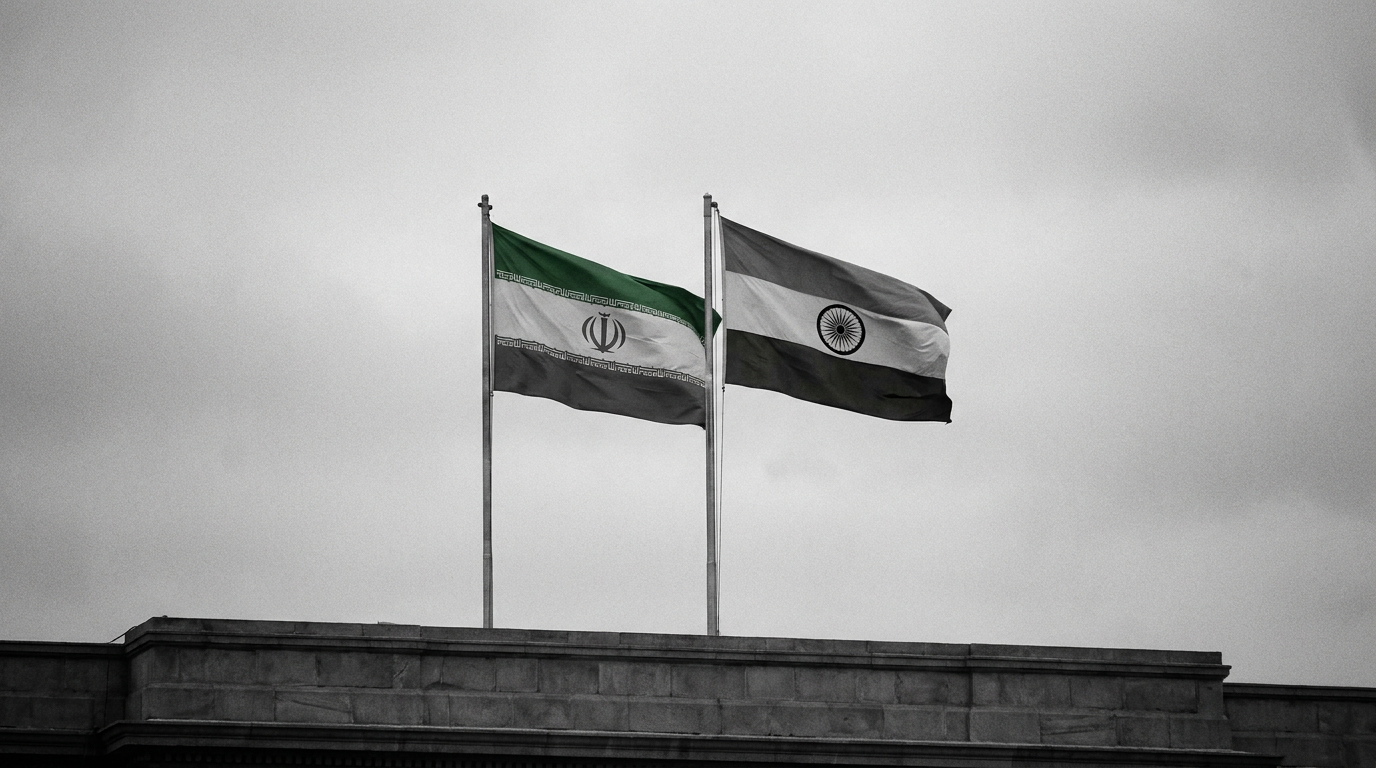
# India tightens Iran advisory as embassy urges nationals to register and stay alert
India’s Embassy in Iran has issued a revised advisory for Indian nationals, asking those in the country to register their details and to keep close watch on the mission’s official updates. The message, framed around “increased instability,” signals New Delhi is preparing for a more volatile security environment that could quickly affect citizens on the ground.
New Delhi
The embassy urged Indian nationals who have not yet registered to do so “immediately,” and asked them to regularly monitor the embassy’s website and social media channels for further information.
India has a long, pragmatic relationship with Iran shaped by geography, energy needs, and regional connectivity. One anchor is the Chabahar Port project, which India has backed as a route to Afghanistan and Central Asia that bypasses Pakistan, keeping trade options open even as regional politics shift.
The advisory also lands against the wider reality that the Middle East hosts one of India’s most economically important overseas populations. Indian workers across the Gulf and neighbouring states form a major remittance base for households back home, and any broad instability in the region tends to show up quickly in India’s consular workload, airline routes, and risk calculations for employers and recruiters.
New Delhi
A tighter advisory is often the first rung of a consular escalation ladder: registration drives help embassies map where nationals are, how to reach them, and what resources might be needed if movement becomes restricted. For India, even a limited crisis can become operationally complex because disruptions in the region can cascade through air corridors, shipping lanes, and insurance costs tied to trade.
The timing also intersects with India’s energy and shipping exposure to the broader region. Any deterioration in security conditions around major transit routes can pressure freight timelines and fuel costs, while forcing New Delhi to balance citizen safety with its diplomatic preference for restraint and de-escalation in regional conflicts.
Watch for any follow-up advisory from the Embassy of India in Iran
or related updates from India’s Ministry of External Affairs by 2024-07-15. If India issues stronger warnings, begins outlining evacuation steps, or sharply increases the cadence of high-level diplomatic engagement with Iran or other regional players, that would confirm the situation is being treated as a materially higher-risk phase.
If the advisory is softened or withdrawn, or if official messaging remains
largely routine, that would suggest conditions have stabilised back toward the pre-escalation baseline.