

IMF warns of 0.3% Middle East contraction in 2026
Saudi Arabia is projected to shrink 3.3% as conflict disrupts energy traffic and raises pressure on Gulf infrastructure spending.
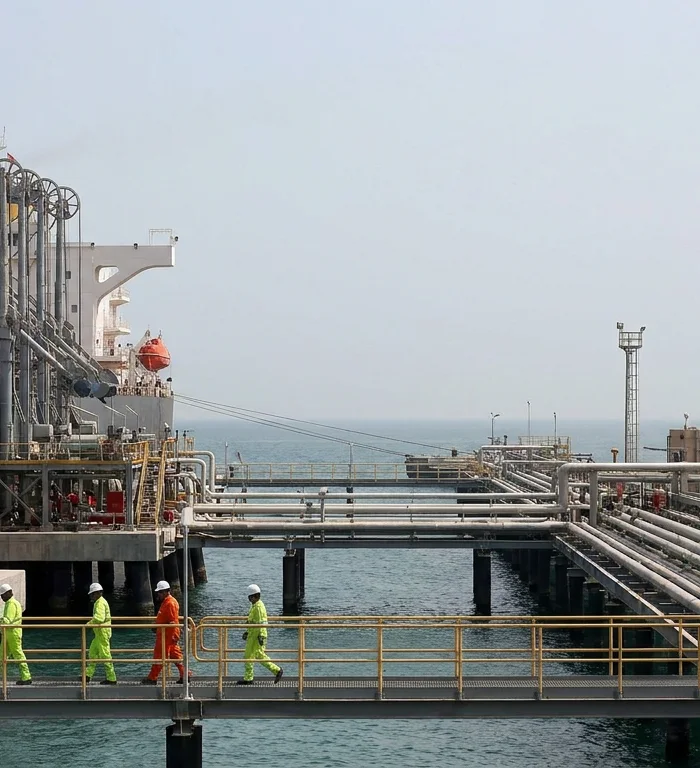
The IMF warned on Thursday, Oct. 15, that Gulf economies will not regain pre-war growth soon after projecting the Middle East and Central Asia will contract 0.3% in 2026, AFP reported.
In the AFP report published by Dawn on Oct. 15, the IMF forecast Saudi Arabia’s economy would shrink 3.3% in 2026, a deeper contraction than the 0.3% projected for the wider region.
Jihad Azour, the IMF’s regional director, said the shock from the war would leave lasting economic damage. “We will not go back to the pre-war trajectory in the medium term because this shock will have a scarring impact on various sectors and also will disrupt a certain number of infrastructure, and will require additional spending in order to increase resilience,” he told reporters.
The IMF released the regional projections on Tuesday as fighting continued between Saudi Arabia and Yemen’s Houthis, according to AFP. The report said the war began in Iran and later spread to Saudi Arabia and Yemen, while maritime energy traffic remained affected.
The Saudi figure points to rare pressure on a Gulf economy that has long relied on energy exports as a buffer. The report did not provide a breakdown for every Gulf state, but it described the contraction as widespread across Gulf economies.
The warning also comes as officials and experts met in Bangkok this week to discuss strains on the global economy, including high energy costs and questions about the durability of the artificial-intelligence investment boom. Those pressures add to the policy challenge for energy exporters already facing security-related spending needs.
IMF Managing Director Kristalina Georgieva warned on Wednesday that attacks targeting Saudi Arabia could affect people “everywhere,” AFP reported. The agency also reported a sharp escalation in recent days between a Saudi-led coalition and Yemen’s Houthis, including fatal missile strikes on airports, energy facilities and the headquarters of Saudi state oil company Aramco.
The available report leaves several points unresolved, including the full scale of infrastructure damage, how long maritime energy traffic may be disrupted and how governments will finance additional resilience spending. It also does not give a date for the IMF’s next regional forecast update.
Source: AFP report carried by Dawn, Oct. 15
More stories
- Wolfspeed faces dilution risk in $1.5bn Pentagon loan
- Iran targets Starlink with jail terms of up to 5 years
- Iran changes Hormuz attack tactics, senior officials say
- Ethiopian troops reach Zalambessa border town, sources say
- Russian hybrid threat stretches MI5 after 1,000 expulsions
- Sharjah Islamic Bank profit rises 9% as financing expands
- Ghana oil talks bring Shell, Chevron to deepwater block
- Tesla FSD enters French road tests before EU approval vote
Latest news
- NEXANS request sets two-week wait for Cyprus cable surveys
- Fairfax wins Cabinet approval for ₹52,878 crore IDBI stake
- Poundland bosses back buyout for about 600 stores
- Fairfax faces CSB choice in $5.6bn IDBI stake deal
- Stocks face rotation risk at 5.9% Treasury yield, according to BofA
- LLM crisis reports capture 5.4%-11.0% of official figures
- Natacha Polony joins France's 2027 presidential race
- Publicis beats Q3 forecasts with 5% organic revenue growth