ICE Shooting in CA Wounds Man Linked to Salvadoran Murder
ICE shooting in California wounded Carlos Ivan Mendoza Hernandez during a targeted stop Tuesday; officials cite El Salvador homicide inquiry request.
Ayla Demirhan ·
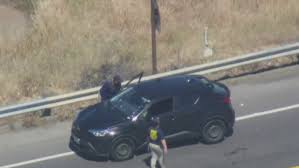
Federal immigration agents shot and wounded a man during an arrest operation in California’s Central Valley on Tuesday , after officials said the encounter escalated during a targeted traffic stop near Interstate 5 in the city of Patterson, about 90 miles south of Sacramento. The man was taken to a local hospital for treatment, and authorities have not released details about his condition.
U.S. Immigration and Customs Enforcement (ICE) identified the individual as Carlos Ivan Mendoza Hernandez and described him as an undocumented immigrant. The Department of Homeland Security (DHS) said the shooting occurred as agents attempted to apprehend him during the traffic stop, which was conducted as part of a targeted operation.
Acting ICE Director Todd Lyons said the officers involved fired their weapons defensively. ICE alleges Mendoza Hernandez tried to run an agent over with his vehicle during the encounter, and officials said that prompted the use of force. DHS also described Mendoza Hernandez as an alleged “18th Street Gang member.”
Officials said the operation was tied to an outstanding request from authorities in El Salvador, who are seeking Mendoza Hernandez for questioning connected to a homicide investigation in that country. ICE’s Enforcement and Removal Operations (ERO) division frequently conducts targeted arrests, and the agency has said it prioritizes non-citizens with criminal convictions, pending criminal charges, or known gang affiliations as priorities for removal.
What happened next will be shaped by oversight reviews that typically follow shootings involving federal law enforcement . Such incidents automatically trigger internal scrutiny, and the matter will likely be examined by DHS’s Office of Professional Responsibility or another oversight body to assess whether the agents’ actions aligned with agency policy and federal law.
DHS has not provided public details on the intelligence that led to the stop, and officials indicated the circumstances surrounding the traffic stop are central to the ongoing review.
The case also underscores how immigration enforcement can intersect with criminal justice matters that involve foreign authorities. Officials noted that these operations can rely on cooperation between U.S. federal agencies and other governments to locate and apprehend individuals sought in serious investigations abroad. In this instance, officials said the request from El Salvador is linked to a homicide inquiry there.
Key uncertainties remain , including the man’s medical status and the full sequence of events leading up to the shooting. Officials said the investigation’s findings will inform next steps, which could include potential U.S. charges related to the incident or proceedings for removal to El Salvador, depending on how the murder inquiry in El Salvador is resolved.