

China Extends Visa-Free Transit to 240 Hours for International Travelers
China’s 240-hour visa-free transit policy lets citizens from 57 countries visit for up to 10 days when traveling between two international locations.
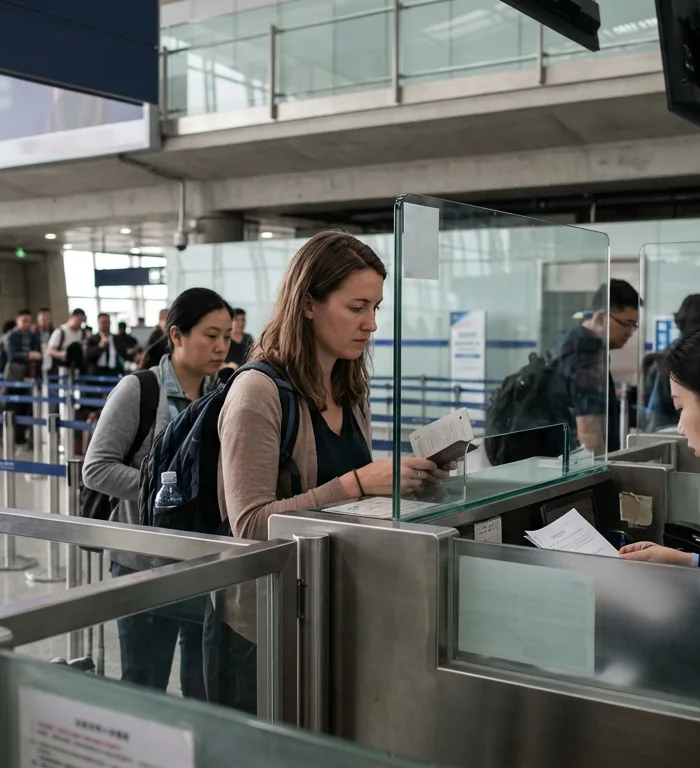
China’s 240-hour visa-free transit policy, introduced in late 2024, permits citizens from 57 countries, including the United States, to enter the country without a traditional visa. This initiative is designed to increase inbound international tourism and business travel by reducing administrative barriers. The policy allows for stays of up to 10 days, provided the traveler is transiting between two different countries or territories.
To qualify, travelers must demonstrate a clear transit itinerary, such as flying from a third country into China and departing to a different destination. Hong Kong, Macau, and Taiwan are recognized as distinct destinations for the purpose of this policy. Travelers are restricted to entering and exiting through specific designated ports, though they may move between multiple eligible cities within China during their stay.
Institutional and individual travelers should note that the
Institutional and individual travelers should note that the Institutional and individual travelers should note that the policy requires strict adherence to transit documentation. Reports indicate that inconsistent familiarity with the policy among airline and airport personnel can lead to boarding delays or denials. Travelers are advised to maintain comprehensive documentation of their flight itineraries and hotel bookings to verify their transit status to immigration authorities.
While the policy facilitates short-term access, it does not replace standard visa requirements for longer stays or travel outside of designated regions. Organizations and individuals planning travel should verify current eligibility lists and port designations through official channels prior to booking. The policy remains a key component of current efforts to normalize international travel flows into the country.
More stories
- Thomas Markle faces child abuse material charge in US case
- Bear visit links California library to Pooh milestone date
- Istanbul flooding prompts school closures and road bans
- Prince Harry recounts depression during 2019 royal break
- Bangkok floods force evacuations as reservoirs swell in east
- Nor'easter kills one as Northeast flooding disrupts travel
Latest news
- FAA halts US departures after communications disruption
- Europe faces unity test as Trump revives Ukraine diplomacy
- Democrats push AI regulation as two state veterans arrive
- Lutnick faces AI chip scrutiny as Bessent faults Commerce
- AI investment boom binds global suppliers to US spending
- Senate Democrats face leadership fight after midterm gains
- Trump extends Jones Act waiver for another 90 days: official
- Russia reports 1% growth as refinery output declines 18%