

European Rail Operators Transition to 5G for Automated Train Control
European rail operators are upgrading to 5G networks to enable autonomous train control and increase track capacity, necessitating new focus on cybersecurity…
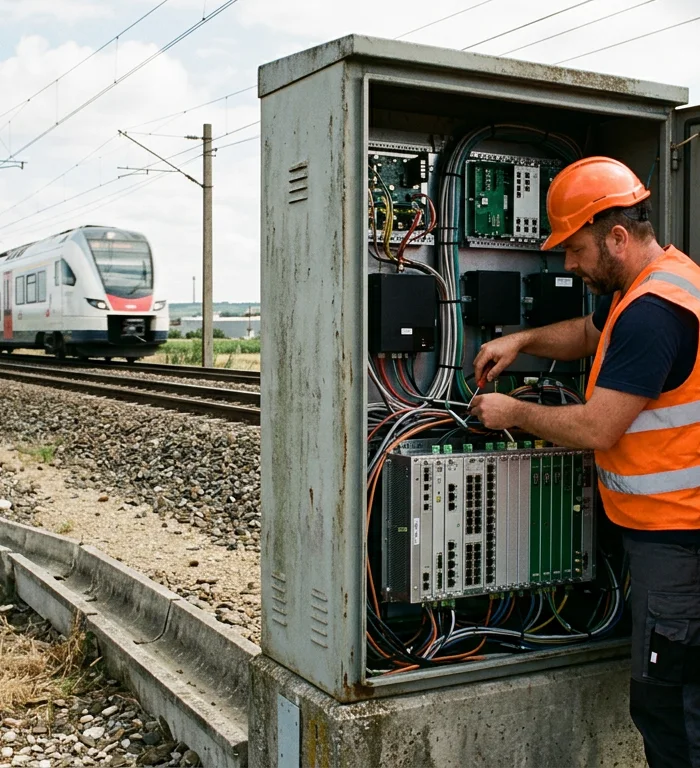
European rail operators are transitioning from legacy communication standards to 5G-based networks to facilitate the deployment of self-driving trains. The current infrastructure, which relies on technology dating to the 1990s, lacks the bandwidth and latency requirements necessary for modern automated signaling and high-density traffic management.
Germany is currently conducting trials to replace existing radio links with 5G systems. This upgrade is intended to increase track capacity by allowing trains to operate at closer intervals while maintaining safety standards through real-time data transmission.
European Rail Traffic Management
The shift to 5G addresses critical limitations in the current European Rail Traffic Management System (ERTMS). By enabling more precise positioning and instantaneous communication between rolling stock and control centers, operators aim to reduce congestion and improve the reliability of rail networks without the capital expenditure required for laying additional physical tracks.
This technological migration carries significant implications for institutional risk and infrastructure governance. The integration of 5G into critical rail infrastructure introduces new cybersecurity vulnerabilities that require robust encryption and network resilience protocols. Furthermore, the standardization of these radio links across borders is essential for the interoperability of international rail freight and passenger services.
Policymakers should monitor the progress of these trials as they set the precedent for future digital rail infrastructure investments. The successful implementation of 5G-enabled automation is expected to serve as a primary driver for increasing rail efficiency and reducing operational costs across the European transport sector. Future developments will focus on the scalability of these networks and the long-term maintenance of the digital infrastructure required to support autonomous operations.
More stories
- Europe faces attribution gap after 16 cyber, physical incidents
- PIF backs Grand Theft Auto as Saudi players embrace game
- Signal limits screenshots to curb AI access to messages
- Cognition runs Devin Mac workspaces on EC2 in 6 AWS regions
- Salesforce engineers cut 600-failure triage to 90 minutes
- Türkiye Desk: GTA 6 puts console access and network demand in focus
- The Week in Games: Hardware math gets harsher
- Kingdom Come: Deliverance II Receives High Critical Acclaim
Latest news
- Trump prepares tariffs on China and other major exporters
- New-car buyers pay record average $50,087 in October
- Banks face ECB reserve debate over liquidity and profits
- Investors see Anthropic debut gains fade below $83 a share
- Iraq orders federal control over Kurdish-area oilfields
- Germans oppose Ukraine aid as poll shows support slipping
- Kim Jong-un receives 10 envoys after constitutional shift
- Ukraine claims Libya strike sinks Russian naval corvette