Hormuz Strait: US-Iran Tensions Mount
U.S. and Iran escalate confrontations in the Strait of Hormuz, impacting global shipping and energy markets amid renewed threats and military actions.
Lauren Collins ·
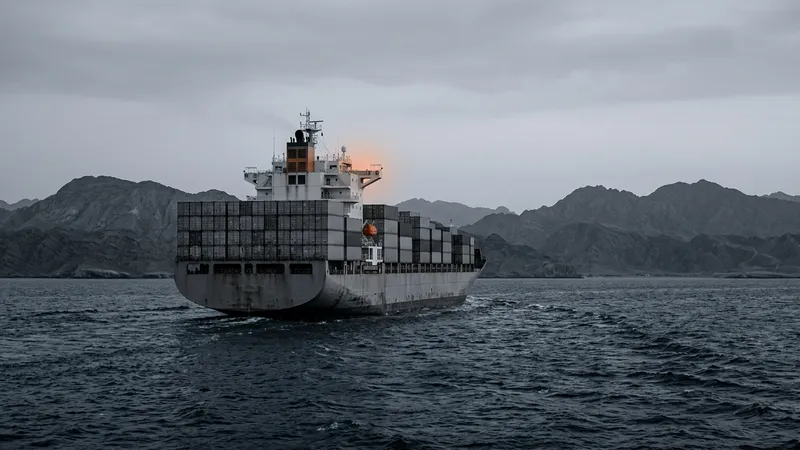
On Monday, May 4, 2026, tensions in the Strait of Hormuz escalated significantly as the United States and Iran engaged in direct confrontations and renewed threats, impacting global shipping and energy markets. U.S. President Donald Trump warned Iran of severe retaliation for any attacks on U.S. vessels, while the U.S. military initiated "Project Freedom" to guide commercial ships through the strategic waterway, which Iran has largely blockaded since February 28, 2026.
The U.S. military reported shooting down seven Iranian boats near Hormuz and assisting two U.S. merchant vessels through the strait. Concurrently, Iran launched missile and drone attacks against the United Arab Emirates, causing a fire in the Fujairah Petroleum Industry Zone and injuring three people. A South Korean vessel also reported an explosion and fire off the UAE coast, prompting President Trump to urge South Korea to join the U.S. mission to secure the strait.
Despite U.S. assurances of protection, ship-tracking data indicated continued suspension of traffic through Hormuz, and global oil prices, along with U.S.
gasoline costs, continued to climb. The price of gasoline in the U.S.
rose to over $4.45 per gallon, up from under $3 before the conflict, contributing to inflationary pressures ahead of midterm elections. The U.S.
Central Command (CENTCOM) stated that 50 commercial vessels had been redirected to enforce the blockade on Iranian ports, while Iran maintained its control over the strait's administration.