NY05:26
    LDN10:26
    HKG17:26
    TYO18:26
    Gold4,529+1.19%
    Bitcoin77,852+0.59%
    Gold4,529+1.2%
    Bitcoin77,852+0.6%
    LATEST NEWS
    Mental Health Crisis Deepens Worldwideabout 1 hourRegulators Slam TikTok, YouTube Over Child Safety Failuresabout 1 hourSamsung Union Halts Strike After Pay Agreementabout 1 hourIran Reviews U.S. Response as Hormuz Transit Rules Tightenabout 1 hourThunder Level Series With Spurs Behind Back-to-Back MVP Gilgeous-Alexanderabout 2 hoursCanada Faces Calls to Reopen Probe Into Plasma Donor Deathabout 3 hoursYoung Activists Demand End to EPA Rollbacksabout 3 hoursVienna jury convicts ex-Austrian officer of spying for Russiaabout 3 hoursAI Boom Fuels Nvidia's Record Quarterabout 5 hoursSpaceX Eyes Public Market Debutabout 5 hoursUK to Offer Free Bus Travel for Children in Englandabout 5 hoursEagles linebacker Nolan Smith Jr. arrested in Georgia for reckless driving, speedingabout 6 hoursUAE Advisor: Iran Policy "Failedabout 7 hoursGaza Aid Group Nears Collapse Amid Funding Shortfallabout 7 hoursMental Health Crisis Deepens Worldwideabout 1 hourRegulators Slam TikTok, YouTube Over Child Safety Failuresabout 1 hourSamsung Union Halts Strike After Pay Agreementabout 1 hourIran Reviews U.S. Response as Hormuz Transit Rules Tightenabout 1 hourThunder Level Series With Spurs Behind Back-to-Back MVP Gilgeous-Alexanderabout 2 hoursCanada Faces Calls to Reopen Probe Into Plasma Donor Deathabout 3 hoursYoung Activists Demand End to EPA Rollbacksabout 3 hoursVienna jury convicts ex-Austrian officer of spying for Russiaabout 3 hoursAI Boom Fuels Nvidia's Record Quarterabout 5 hoursSpaceX Eyes Public Market Debutabout 5 hoursUK to Offer Free Bus Travel for Children in Englandabout 5 hoursEagles linebacker Nolan Smith Jr. arrested in Georgia for reckless driving, speedingabout 6 hoursUAE Advisor: Iran Policy "Failedabout 7 hoursGaza Aid Group Nears Collapse Amid Funding Shortfallabout 7 hours
    Markets
    BREAKING

    Hormuz crossings minimal as Iranian threats loom large

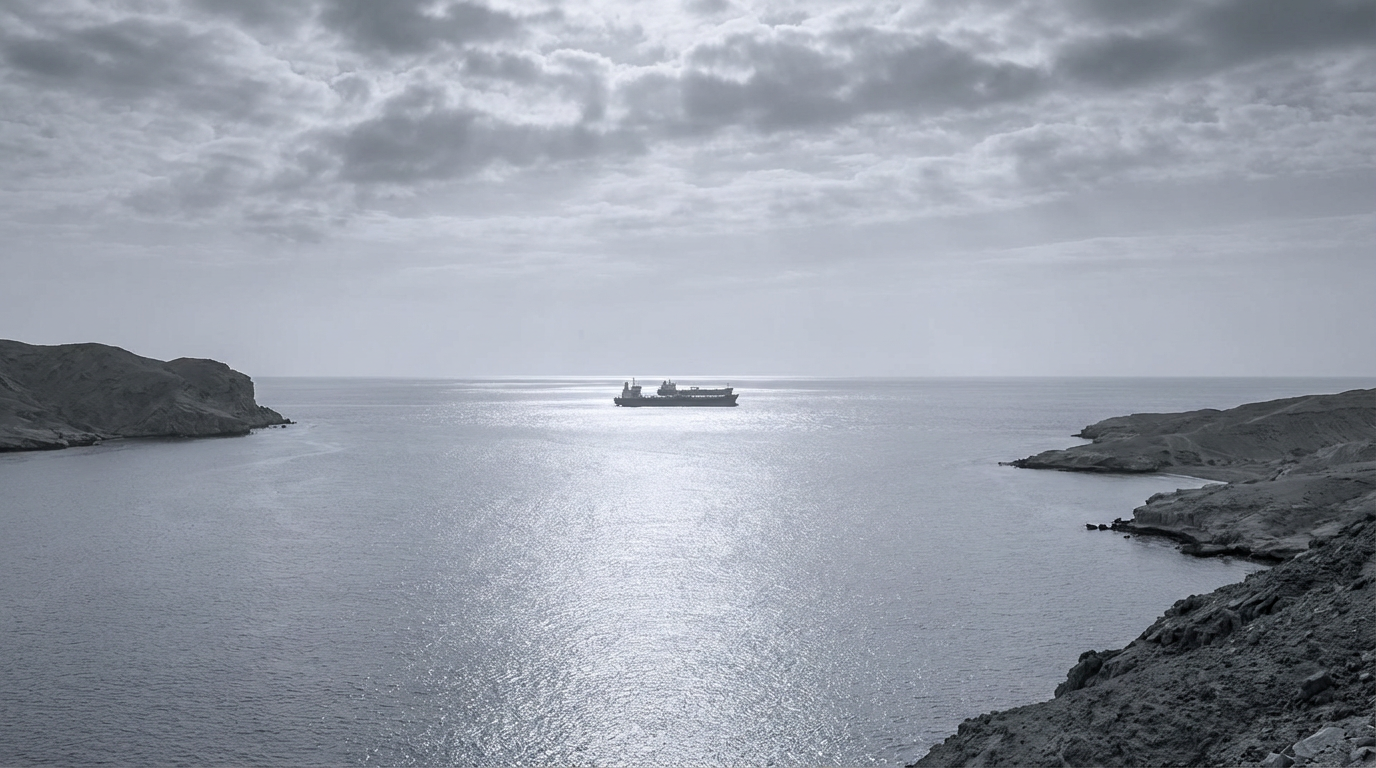
    Strait of Hormuz crossings remain minimal after Tuesday night’s ceasefire, with only 15 transits as Iran issues warnings on passage.

    Published10 Apr 2026, 09:46:39
    Hormuz crossings minimal as Iranian threats loom large
    A360
    Key Takeaways✦ Atlas AI
    01

    Despite a ceasefire, ship traffic in the Strait of Hormuz is less than 10% of its normal volume, signaling persistent high risk and market uncertainty.

    02

    Iran maintains a de facto blockade, threatening to target unauthorized vessels and challenging the ceasefire's 'safe passage' provisions, leaving hundreds of ships stranded.

    03

    The disruption at this critical chokepoint, responsible for a significant portion of global energy trade, poses a severe threat to international supply chains.

    Atlas AI

    Atlas AI

    Maritime movements through the Strait of Hormuz have stayed sharply reduced even after a ceasefire was announced on Tuesday night that included language on “safe passage” for vessels using the route. Vessel tracking data shows just 15 ships have transited the strait since the pause in hostilities, far below the pre-conflict norm of nearly 140 vessels per day.


    The limited traffic has included both energy-linked and general trade cargoes. Of the 15 ships recorded, four were tankers carrying oil, gas, or chemical products, while the remaining eleven were identified as container ships. The mix suggests the disruption is not confined to hydrocarbons, but is also weighing on broader commercial shipping flows.


    Operators’ reluctance to resume normal routing has highlighted a gap between diplomatic wording and on-the-water behavior. Despite the ceasefire’s “safe passage” provision, the low transit count points to continued uncertainty for shipping companies assessing risk in a narrow and strategically important chokepoint.


    Iran’s public warnings have been central to that risk calculation. Tehran has stated that any vessel attempting to pass without explicit permission will be “targeted and destroyed,” language that has effectively undermined the ceasefire provision in practical terms. As a result, the situation has continued to resemble a de facto blockade that began five weeks ago at the start of the conflict.


    The operational strain is not limited to ships attempting to cross the strait. Analysis from shipping intelligence firm Lloyd’s List said the five-week blockade has left almost 800 ships stranded in the Gulf, with a majority reported to be fully loaded. The cargoes cited include crude oil, liquefied natural gas (LNG), consumer goods, and industrial components, underscoring the breadth of trade affected.


    The Strait of Hormuz is described as a conduit for approximately a fifth of the world’s total oil consumption, making prolonged disruption a major concern for energy security and price stability. With traffic still far below typical levels, risks extend across supply chains tied to both tanker markets and containerized trade.


    Officials and industry participants are watching for indications that the ceasefire can translate into a meaningful reopening of the route. For now, the central uncertainty is whether the “safe passage” commitment can be implemented in a way that changes shipping decisions, or whether the standoff will persist under the shadow of Iran’s warnings.


    Share

    Related Articles

    Atlas360

    Sign up for Atlas Daily

    The daily global news briefing you can trust.

    every weekday·Read it now

    or
    Sign in

    Already subscribed? Sign in and we won't show you this message again.