

Philippe Diallo Launches Surprise Leadership Challenge Against FIFA President Gianni Infantino
Philippe Diallo challenges FIFA President Gianni Infantino, though the incumbent remains the favorite to retain his position with broad support.
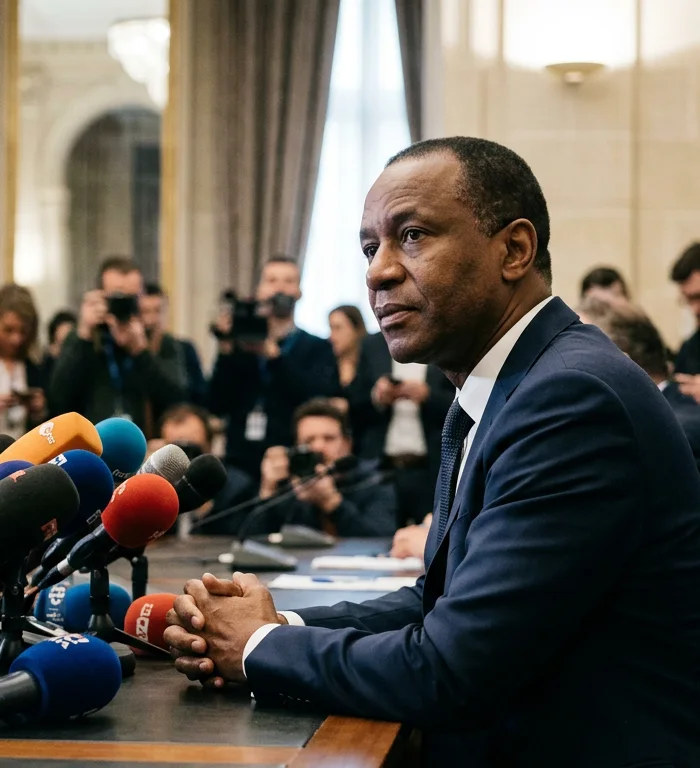
The European football governing body has formally nominated Philippe Diallo, president of the French Football Federation, to contest the upcoming FIFA presidential election. This move follows the decision of high-profile candidates, including former Arsenal manager Arsène Wenger, to decline a challenge against the incumbent, Gianni Infantino. The nomination of Diallo, finalized shortly before the filing deadline, represents a late-stage effort by European leadership to contest the current administration’s governance.
Diallo’s platform centers on systemic reform and addressing internal dissatisfaction regarding FIFA’s proposed financial strategies, specifically the controversial plan to sell stakes in the World Cup to private investors. Supporters within the European executive committee describe the candidate as a proponent of cultural change and institutional integrity. However, the late entry of the campaign has prompted internal criticism from some national associations, who have expressed concerns regarding the lack of a formal manifesto and the candidate's limited global profile compared to the incumbent.
The European
Despite the emergence of a challenger, Infantino remains the clear favorite to secure a majority of the 211 member votes. The incumbent maintains significant support across the African, Asian, and South American confederations, providing a robust electoral base. While European officials previously attempted to organize a broader coalition against the FIFA president, efforts to mount a unified opposition have faced setbacks, including the withdrawal of potential rivals and the abandonment of threatened boycotts of FIFA-sanctioned competitions.
The upcoming election period will focus on the formal vetting of candidates and the subsequent campaign phase. While European leadership remains publicly optimistic about mounting a competitive challenge, analysts note that the incumbent’s control over the organization’s resources and his established relationships with non-European confederations present a significant barrier to a change in leadership. The outcome will likely hinge on whether the challenger can successfully leverage his platform to sway voting blocs outside of Europe, where the incumbent currently holds a dominant position.
More stories
- Hull City 2–0 Brighton: When Resilience Beat Reputation
- Aleksey Batrakov Attracts Barcelona Transfer Interest
- Manchester United weigh Osimhen move, transfer report says
- Ravens 20, Chargers 23: A season at the edge
- Billie Jean King ties 39 majors to equal-pay fight
- Cavaliers list Jarrett Allen questionable for Hornets game
Latest news
- Eisenkot secures first coalition deal but lacks majority
- Trump prepares tariffs on China and other major exporters
- New-car buyers pay record average $50,087 in October
- Banks face ECB reserve debate over liquidity and profits
- Investors see Anthropic debut gains fade below $83 a share
- Iraq orders federal control over Kurdish-area oilfields
- Germans oppose Ukraine aid as poll shows support slipping
- Kim Jong-un receives 10 envoys after constitutional shift