

US Hyperscale Data Centers Rely on Fossil Fuels for 54% of Energy Needs
US hyperscale data centers rely on fossil fuels for over half their energy, creating significant regional carbon footprints and regulatory scrutiny.
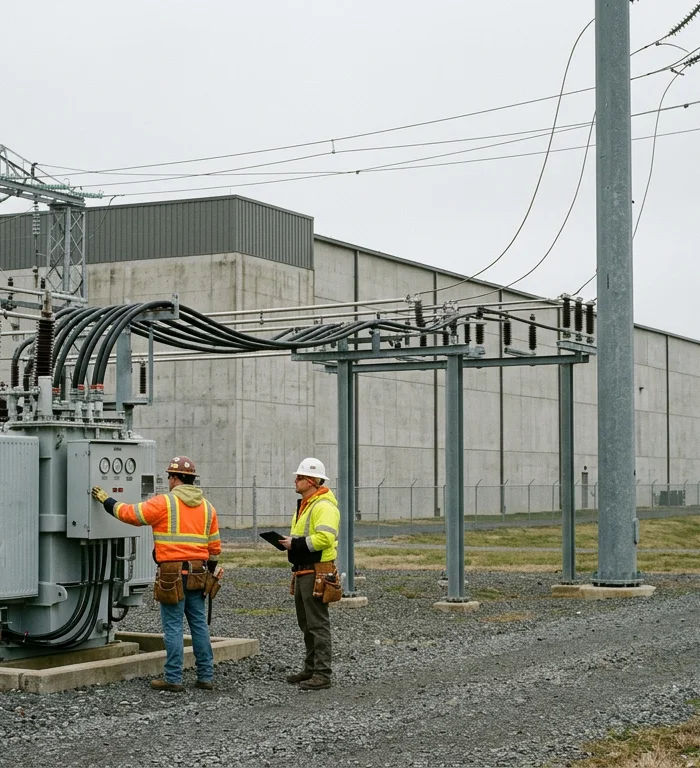
A study published in Nature Sustainability indicates that 403 US hyperscale data centers consumed approximately 82 terawatt-hours (TWh) of electricity between May 2024 and April 2025. This consumption accounts for roughly 1.8% of total US electricity demand. Fossil fuels provided 54% of this energy, with natural gas contributing 38% and coal 15%.
The research estimates that these facilities generated approximately 25.7 million metric tons of carbon dioxide emissions during the study period. Emissions levels varied significantly by region, as the environmental impact is tied directly to the generation mix of the local power grid. Facilities located in areas with high coal-fired generation contribute disproportionately to the sector's carbon footprint.
Researchers noted that the data reflects a period
Virginia, Oregon, Ohio, and Iowa accounted for more than 50% of the total electricity consumption analyzed. While the study provides a framework for regional emissions tracking, it could not isolate electricity usage specifically for artificial intelligence operations from general-purpose cloud computing. Researchers noted that the data reflects a period ending in early 2025 and that current consumption levels are likely higher due to subsequent infrastructure expansion.
The findings highlight a potential regulatory and reputational risk for operators, as the environmental impact of data centers extends to the health outcomes of populations living near fossil-fuel power plants. By linking specific grid regions to facility output, the study provides a methodology for policymakers and investors to evaluate the sustainability of future data center siting and energy procurement strategies. Future research is expected to further quantify the public health costs associated with the power generation required to support large-scale computing infrastructure.
More stories
- Europe faces attribution gap after 16 cyber, physical incidents
- PIF backs Grand Theft Auto as Saudi players embrace game
- Signal limits screenshots to curb AI access to messages
- Cognition runs Devin Mac workspaces on EC2 in 6 AWS regions
- Salesforce engineers cut 600-failure triage to 90 minutes
- Türkiye Desk: GTA 6 puts console access and network demand in focus
- Microsoft plans Project Helix as Xbox console for PC games
- OpenAI buys travel startup Odessia
- Bandai Namco's Ace Combat 8 tops 1 million sales
- Bandai Namco sets 2027 cross-play test for Sparking Zero
Latest news
- Trump prepares tariffs on China and other major exporters
- New-car buyers pay record average $50,087 in October
- Banks face ECB reserve debate over liquidity and profits
- Investors see Anthropic debut gains fade below $83 a share
- Iraq orders federal control over Kurdish-area oilfields
- Germans oppose Ukraine aid as poll shows support slipping
- Kim Jong-un receives 10 envoys after constitutional shift
- Ukraine claims Libya strike sinks Russian naval corvette