H5N1 monitoring intensifies as scientists track mammal cases
H5N1 was confirmed in June in a seabird near Esperance, ending Australia’s virus-free run and prompting heightened monitoring of wildlife and farms.
Ayla Demirhan ·
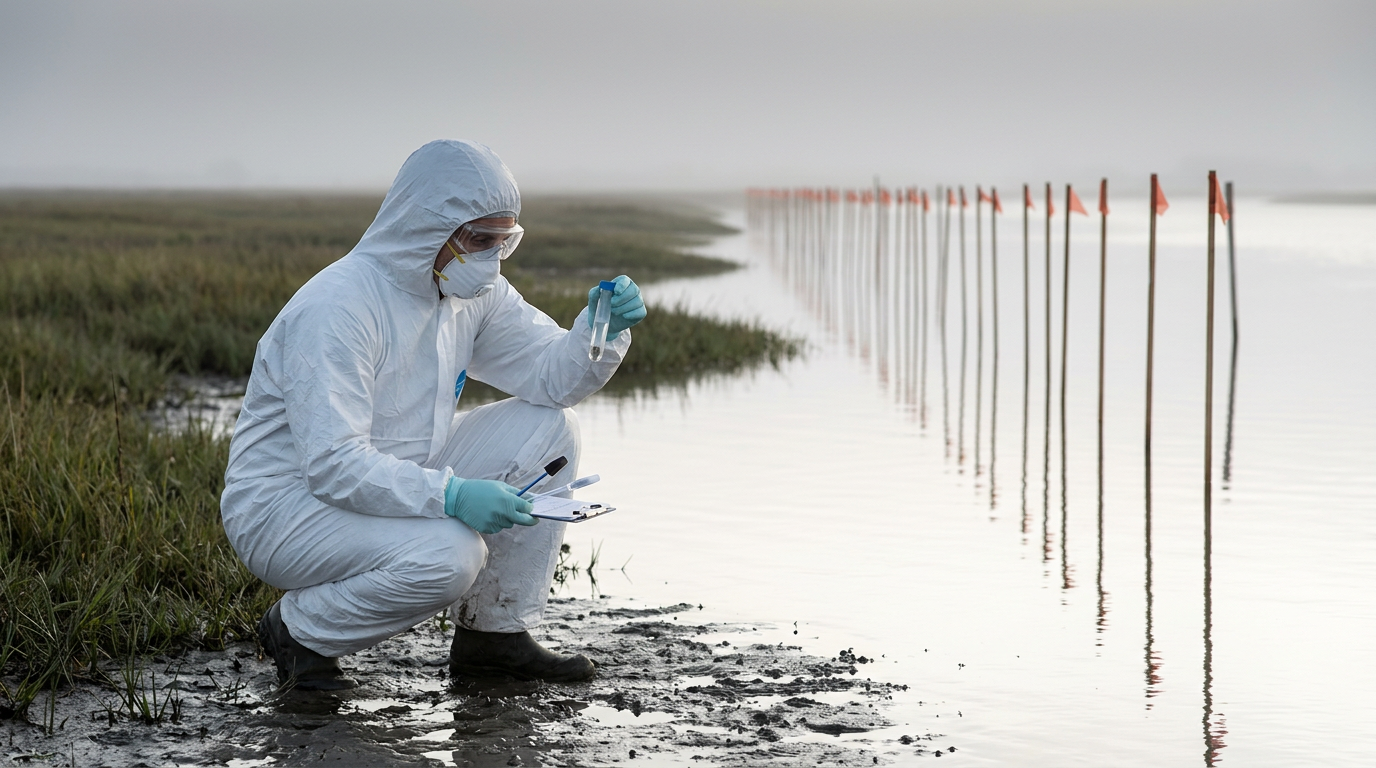
H5N1 was confirmed in June in a seabird near Esperance, ending Australia’s virus-free run and prompting heightened monitoring of wildlife and farms.
Officials said the finding marks the first confirmed detection of the highly pathogenic avian influenza virus on the continent, after it had already been reported elsewhere worldwide. The case has sharpened focus on spillover risks for native birds, livestock operations, and people who work closely with animals.
Australia joins the global map of H5N1 detections
H5N1 first drew international attention after it was identified in farmed geese in southern China in 1996. Since then, the virus has reappeared in waves, with periodic infections in humans and in a range of animal species beyond birds.
In recent years, scientific concern has centered on an H5N1 variant known as clade 2.3.4.4b. This lineage has been carried long distances by wild birds, enabling it to move between regions and establish outbreaks far from where it emerged.
Authorities said Australia had previously been the last continent without a confirmed H5N1 detection. The June identification near Esperance, a town on the southern coast of Western Australia, changes that status and adds Australia to the growing list of locations managing the virus in wildlife.
Wildlife and farm impacts drive the immediate response
Clade 2.3.4.4b has been linked globally to large losses in poultry, as highly pathogenic strains can spread quickly through flocks. The same lineage has also been associated with infections in more than 50 mammal species, underscoring its ability to cross species barriers.
In Australia, the detection has heightened concern for native bird populations, particularly where seabirds and other wildlife gather in dense colonies. A virus that circulates in wild birds can also increase exposure risk for commercial poultry, given the many pathways for indirect contact via water, feed, equipment, and human activity.
Biosecurity and surveillance are central to limiting further spread, especially in regions with significant poultry production. For cattle and other farmed animals, monitoring is also expected to increase as animal health agencies track unusual illness patterns and potential spillover pathways.
Scientists watch for signs of mammal adaptation
Global health and animal disease experts are closely tracking whether H5N1 is acquiring changes that make it better suited to mammals. A shift toward more efficient mammal-to-mammal transmission would raise the stakes, because it could increase the likelihood of spread among humans.
For now, authorities continue to assess the threat to the general public as low, both in Australia and internationally. The current concern is concentrated among people with higher exposure to infected animals or contaminated environments, including wildlife handlers and workers on farms.
The next phase will likely involve expanded testing in wild birds, targeted checks in high-risk agricultural settings, and continued genomic analysis to determine how the detected virus relates to the globally circulating clade 2.3.4.4b. Officials are expected to provide updates as surveillance results clarify whether the Esperance case represents an isolated event or the start of broader circulation.