GLP-1 Study Finds Differences in Lean Mass Loss
GLP-1 study reports semaglutide preserved lean mass better than tirzepatide, with a 2% higher lean mass loss on tirzepatide over 12 months.
Ayla Demirhan ·
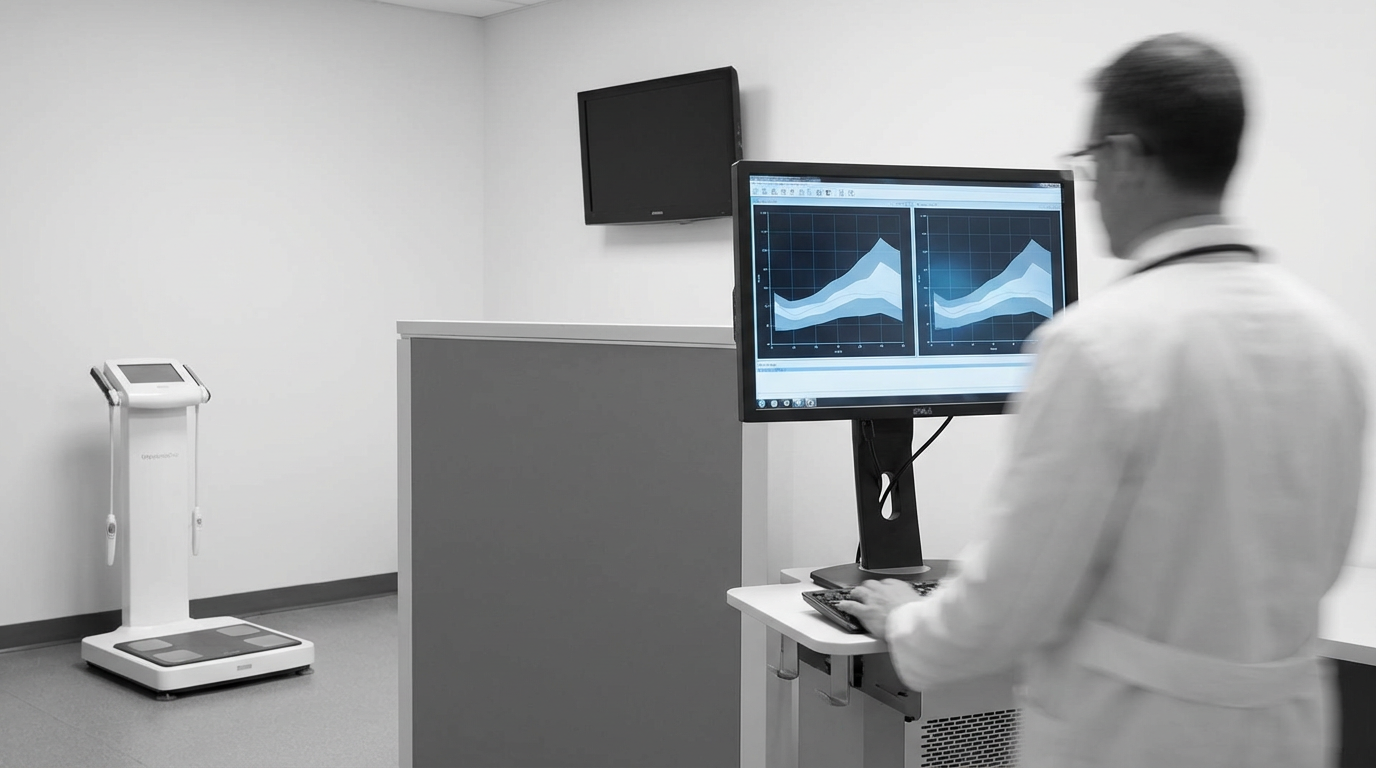
A new study of nearly 8,000 people starting GLP-1 medicines found a measurable difference in how two widely used drugs affected lean body mass over 12 months. The research reported that semaglutide medications preserved lean body mass more effectively than tirzepatide medications during the first year of use.
According to the study, people using tirzepatide had a 2% higher loss of lean body mass than those taking semaglutide across the 12-month period. The researchers linked this pattern to tirzepatide’s tendency to produce greater overall weight loss, which may also be associated with a larger reduction in lean tissue.
Semaglutide vs tirzepatide in a cohort of new users
The findings were observed in a cohort described as nearly 8,000 new GLP-1 users. Within that group, the study identified a consistent separation between the two medications in lean body mass outcomes, with semaglutide showing comparatively better preservation.
The study framed the difference as clinically relevant because lean body mass includes muscle and connective tissue. These tissues support metabolic function and physical performance, and changes in lean mass can affect how people move and tolerate daily activity.
Why lean body mass matters during weight loss
The study noted that substantial lean body mass loss can contribute to reduced mobility and a higher risk of injury. In practical terms, losing too much muscle and connective tissue may make it harder for individuals to maintain strength and stability while their body weight is changing.
Researchers also highlighted factors that may worsen lean body mass loss during GLP-1 treatment. These included higher drug dosages, longer treatment durations, and pre-existing musculoskeletal conditions, which could make some patients more vulnerable to declines in lean tissue.
Mitigation steps cited in the study
Alongside the comparison of semaglutide and tirzepatide, the study pointed to strategies that may help limit lean body mass loss. It suggested incorporating strength training and ensuring adequate protein intake as measures that can mitigate the effect.
The report did not detail how these approaches were implemented across the cohort, leaving uncertainty about how consistently patients used resistance exercise or adjusted diet during the 12 months. The study’s findings nonetheless underscore that weight-loss outcomes can differ not only in total pounds lost, but also in the balance between fat mass and lean tissue.