Ghana hosts reparations talks, broad package backs restitution
Ghana reparations talks produced an Africa-Caribbean roadmap for financial redress, restitution, debt relief, and climate justice after a UN vote.
Amina Diallo ·
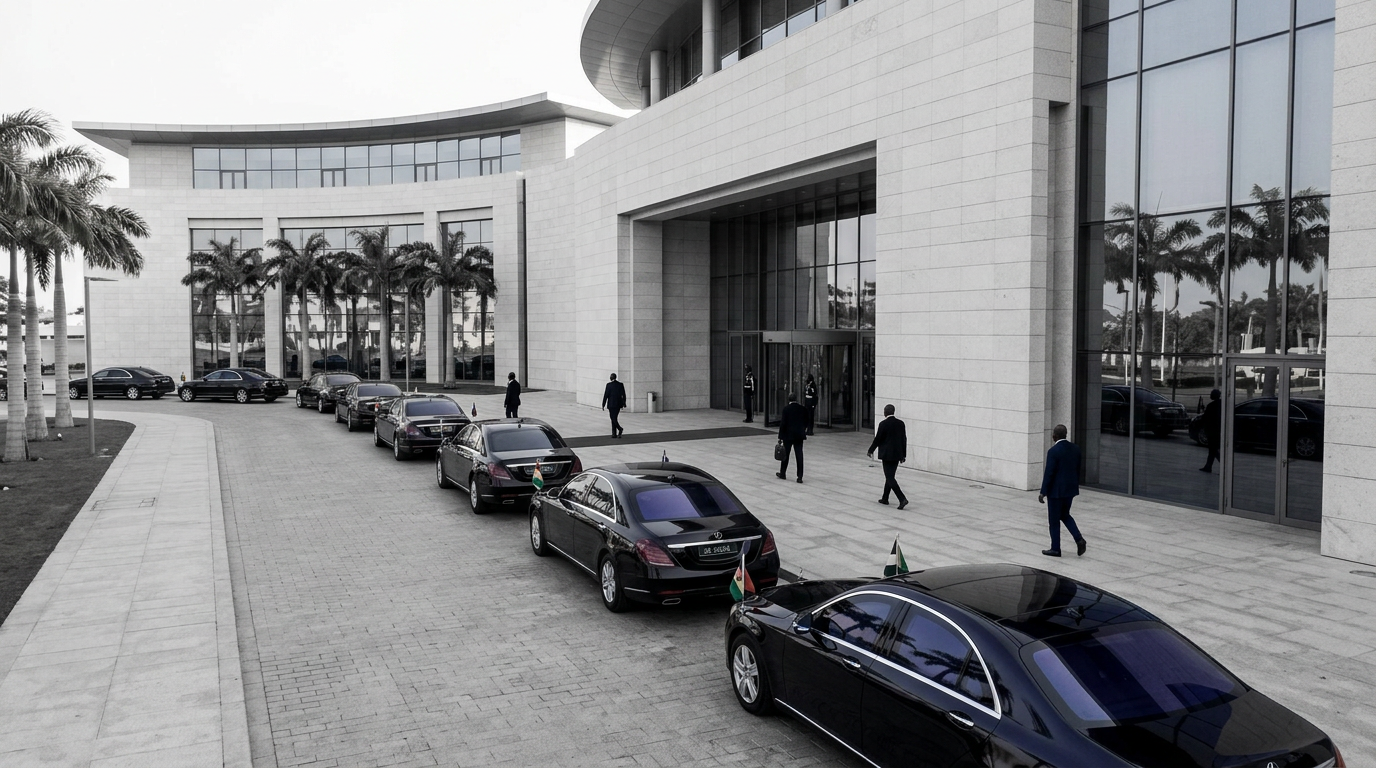
Reparations talks in Ghana produced a joint Africa-Caribbean roadmap spanning financial redress, restitution, debt relief and climate justice after a UN vote condemned the slave trade.
African and Caribbean leaders meeting under the “Next Steps” banner agreed Friday on an outcome document intended to coordinate their pursuit of remedies linked to the transatlantic slave trade.
A closing summary of the meetings said the document outlines avenues for financial reparations, cultural restitution, debt relief and climate justice, signaling a broadened package that extends beyond direct payments.
Joint roadmap aims to align long-running demands
Ghana’s Foreign Affairs Minister Samuel Okudzeto Ablakwa said the gathering marked a rare moment of alignment for a movement that has often lacked a unified strategy across regions and governments.
While the full text of the outcome document was not detailed in the closing readout, the stated elements point to multiple tracks: monetary claims, the return of cultural property, and policy relief tied to contemporary economic and environmental pressures.
The conference comes as calls for redress intensify in international forums, including debates over museum collections, state apologies and the lingering economic effects of slavery and colonialism.
UN resolution vote exposed sharp divides among states
The Ghana meeting followed a March vote in the United Nations General Assembly on a resolution introduced by Ghana recognizing the transatlantic slave trade as “the gravest crime against humanity.”
Diplomatic splits over that resolution underscored the challenge of moving from moral recognition to material outcomes. The United Kingdom and every European Union member state were among 52 countries that abstained.
The United States voted against the measure, joined by Israel and Argentina. For supporters of reparations, the abstentions and opposition raised concerns that progress could be constrained to countries and communities directly affected rather than embraced broadly by former colonial and slave-trading powers.
French President Emmanuel Macron addressed the Ghana conference by video from Paris. He defended France’s abstention as reflecting concern about ranking historical atrocities, and warned against viewing reparations as a purely transactional settlement.
Macron said history should not be treated as a bookkeeping exercise, arguing that any reparations process should not be reduced to a final payment that closes the subject.
Historical scale remains central to modern claims
The transatlantic slave trade spanned roughly four centuries and reshaped economies and societies across Africa, the Americas and the Caribbean. Estimates cited at the conference put the number of Africans forced onto slave ships at about 12.5 million.
About 2 million people are estimated to have died during the Middle Passage, the crossing from Africa to the Americas and the Caribbean. The scale of loss is frequently cited by advocates as evidence of profound, multi-generational harm.
Portugal transported the largest number of enslaved Africans, according to historical estimates referenced at the event. Britain followed and became the world’s largest slave trader by the 1730s, a legacy that remains central to present-day arguments over responsibility and redress.
By explicitly linking reparations to cultural restitution, debt relief and climate justice, the Ghana outcome document suggests an effort to connect historical wrongdoing to current structural constraints faced by many African and Caribbean states.
Next steps are likely to focus on how participating governments translate the agreed framework into diplomatic demands, legal strategies or multilateral negotiations, particularly with countries that abstained or opposed the UN resolution.