Google Maps Integrates Gemini AI for Enhanced Navigation
Google Maps integrates Gemini AI with a new "Ask Maps" feature, enhancing navigation and personalization for users in the U.S. and India.
Jason Kwon ·
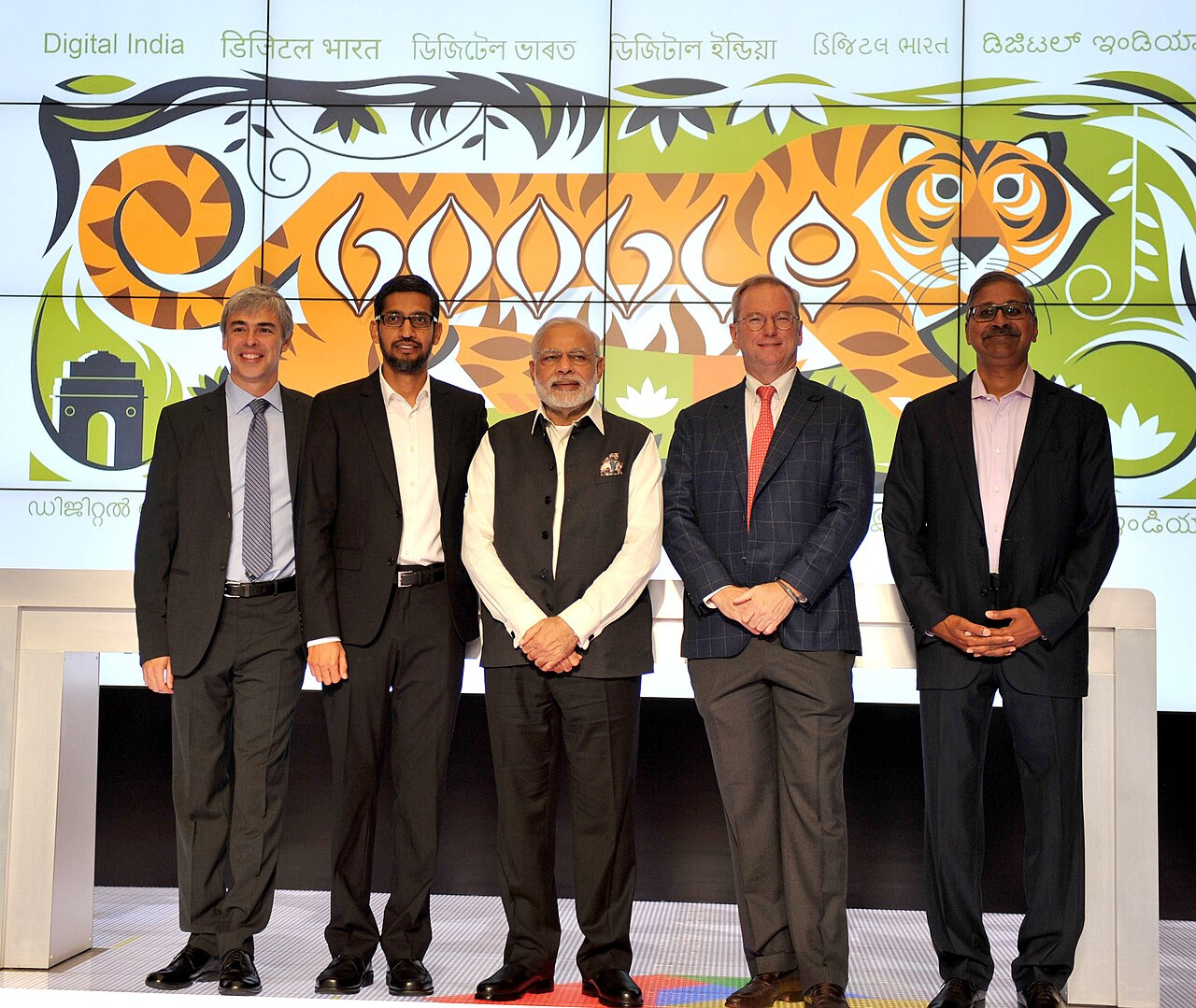
Google has introduced its Gemini artificial intelligence assistant into Google Maps, enhancing user interaction with a new "Ask Maps" feature. This integration, announced on Thursday, March 12, 2026, allows users to engage in conversational queries and receive tailored responses directly within the navigation application. The update is currently accessible to users in the United States and India.
The "Ask Maps" functionality is designed to leverage Google's extensive database, which encompasses over 300 million distinct locations and more than 500 million user-contributed reviews. This allows the AI to provide highly specific information, such as the nearest electric vehicle charging stations or public tennis courts equipped with lighting. The system personalizes its recommendations based on individual user history, including previous destinations and search patterns.
For instance, a user with a history of frequenting vegan establishments would receive vegan-friendly dining suggestions when inquiring about restaurant options. This personalization aims to streamline the discovery process and provide more relevant results for diverse user needs. The feature is compatible with both Android and iOS devices.
Enhanced Navigation Interface and Voice Guidance
Beyond the AI integration, Google Maps is undergoing a significant visual and auditory overhaul. The navigation interface will feature a new 3D rendering, providing a more accurate depiction of urban environments, including buildings, overpasses, and topographical details. This visual enhancement is intended to improve situational awareness for drivers and pedestrians.
Accompanying the visual updates are improvements to voice guidance. The system will now offer clearer instructions and more detailed information, particularly for the final segment of a journey. This includes specifics like building entrances and available parking, addressing common challenges users face when reaching their ultimate destination.
Rollout and Broader Implications
While the "Ask Maps" feature is immediately available, the comprehensive "Immersive Navigation" update, which includes the 3D interface and enhanced voice guidance, will be progressively rolled out over the coming months. This broader update will extend to eligible iOS and Android devices, as well as in-car systems like CarPlay and Android Auto.
This strategic integration of advanced AI into a widely used navigation platform underscores Google's ongoing commitment to enhancing user experience through artificial intelligence. It represents a significant step in making digital mapping tools more intuitive and responsive to individual user preferences and real-time needs.
The move also highlights the increasing trend of embedding AI capabilities directly into core consumer applications, transforming how users interact with digital services for daily tasks.
The continuous evolution of mapping technology, driven by AI and rich data sets, is poised to redefine personal mobility and local discovery. These advancements aim to reduce friction in travel and exploration, offering a more seamless and informed experience for millions of users globally.
Implications
Country Impact: The initial rollout in the U.S. and India suggests these markets are key testing grounds for advanced AI-driven navigation features. Successful adoption could lead to broader global deployment, impacting local commerce and tourism by improving discoverability.
Industry Impact: The integration of Gemini AI into Google Maps intensifies competition within the navigation and location-based services industry. It pushes rivals to accelerate their AI adoption and data integration strategies to maintain relevance and offer comparable personalized experiences.
Market Impact: This enhancement could solidify Google Maps' market dominance, potentially increasing user engagement and data collection. For businesses, improved discoverability through personalized recommendations could drive foot traffic and online interactions, impacting local advertising revenues.