

GCC Approves Joint Forward-Command Centre in Kuwait Amid Shifting Security Landscape
The GCC is establishing a joint command centre in Kuwait to improve regional defense integration as member states seek alternatives to traditional US…
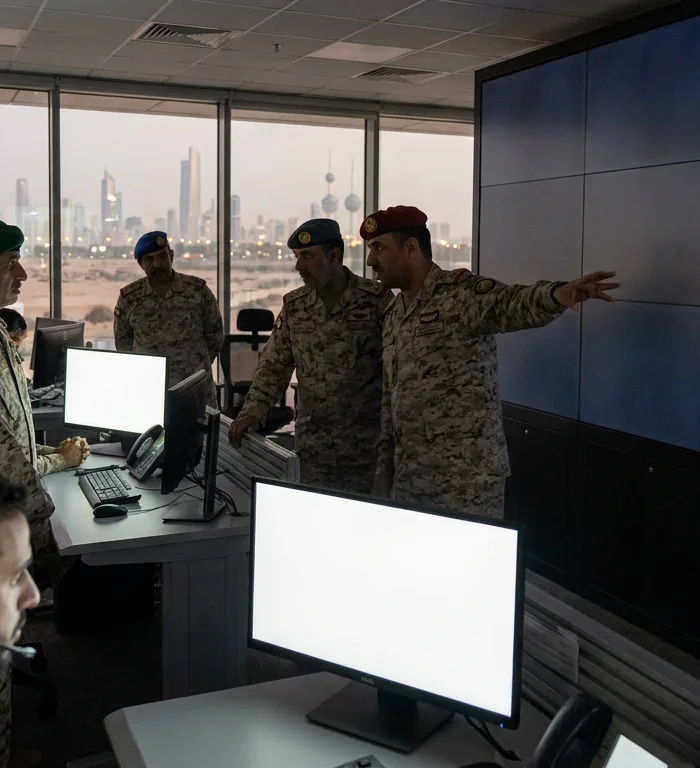
The Gulf Cooperation Council (GCC) has formally approved the establishment of a joint forward-command centre in Kuwait. This initiative aims to enhance military integration among the six member states, addressing long-standing structural deficiencies in the bloc’s collective defense capabilities. While the GCC maintains a joint defense agreement dating to 2000, the organization has historically struggled to provide a unified response to regional security threats, including missile and drone attacks on member territories.
The decision to locate the command centre in Kuwait reflects a strategic attempt to bolster regional self-reliance as confidence in traditional security guarantees wanes. Kuwait’s geographic position, while central, has rendered it highly vulnerable to strikes from Iran and aligned militias. The efficacy of this new command structure remains subject to scrutiny, particularly given that existing US military installations in the region—which possess significantly higher defensive capabilities—sustained extensive damage during recent conflicts with Iran.
Regional security dynamics are undergoing a notable transition as Gulf states reassess the risks associated with hosting permanent US military assets. Recent reports indicate that hundreds of structures at US bases across the region were compromised, prompting internal debates within the US defense establishment regarding the viability of maintaining forward-deployed facilities in close proximity to Iranian territory. Former military and intelligence officials have suggested that the current basing strategy is increasingly untenable, advocating for a potential relocation of assets to more secure geographic positions.
In response to these perceived vulnerabilities, individual GCC members are diversifying their security architectures. Saudi Arabia has activated defense pacts with external partners such as Pakistan and Turkey, while the United Arab Emirates has deepened its security cooperation with Israel. These bilateral and multilateral arrangements signal a move toward a more fragmented, yet potentially more resilient, regional security framework. The GCC’s ability to operationalize the Kuwaiti command centre will serve as a primary indicator of whether the bloc can transition from a consultative body to a functional military alliance capable of independent deterrence.
More stories
- COP31 climate talks collapse over fossil fuels and funds
- Russian military faces 1,087 recorded suicides in Ukraine war
- US faces China, Russia in Africa minerals contest
- Russian war deaths top 460,000, Guardian says
- Monrovia mayor-designate seeks $14.5m city budget
- Iran's attacks hit 25 tankers near Strait of Hormuz
- Spanish workers stage first general strike in 14 years
- Singapore faces 400-post Indonesia disinformation push
- Netanyahu’s Rival Gadi Eisenkot Tasked With Forming New Israeli Government After Inconclusive Election
- Syria rejects Yemen role after 600-troop Saudi border report
Latest news
- Macy’s parade faces balloon limits as storm winds approach
- Highly diversified investors report 91% confidence in retirement
- Nvidia board gets Trump input on Jensen Huang return as CEO
- Rwanda faces budget strain from 85% electricity access push
- ICE arrests at Seattle airport draw protests and scrutiny
- AI doubts leave Asian stocks facing a new investment test