French Candidate Mélenchon Proposes ECB Debt Freeze or Perpetual Instruments
French presidential candidate Jean-Luc Mélenchon suggested freezing or perpetual conversion of ECB-held debt, drawing illegality claims from central banks.
Lauren Collins ·
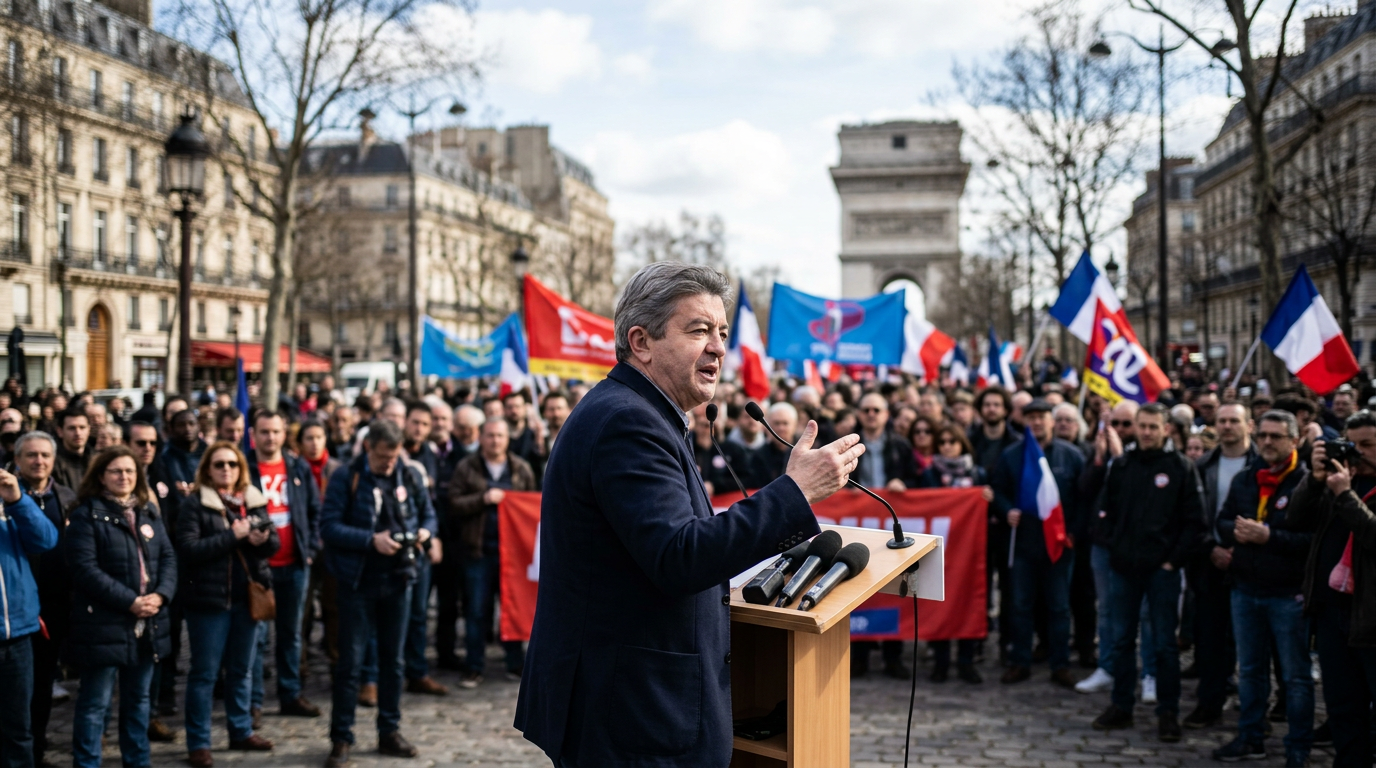
French presidential candidate Jean-Luc Mélenchon has proposed a radical approach to the nation's sovereign debt held by the European Central Bank (ECB). His plan involves either freezing a portion of these holdings at zero interest or transforming them into perpetual debt instruments, aiming to reduce state reliance on financial markets and mitigate vulnerability to interest rate fluctuations.
Central banking officials, including representatives from the ECB and the governors of the French and German central banks, have strongly criticized the proposal. They labeled it illegal, asserting that such measures would contravene treaties prohibiting central banks from directly financing member states.
Reframing the Debt Debate
Economic advisors linked to Mélenchon's political party are Economic advisors linked to Mélenchon's political party are working to refine the proposal's language. They emphasize "freezing" the debt rather than outright cancellation, seeking to align the concept with established central bank procedures used during past financial crises.
Despite this, Mélenchon frequently uses both terms interchangeably in public discussions, according to reports. The total French debt held by the French central bank is approximately 488 billion euros.
Mélenchon had previously suggested his plan would be like "putting the debt in the fridge," a proposal echoed during his prior presidential campaign to convert debts into perpetual, zero-interest loans. Potential Institutional Impact The proposed debt strategy remains a significant point of contention within the political landscape.
Should it be implemented, concerns exist regarding potential risks to institutional credibility and the stability of financial markets. This clash between the political proposal and existing monetary policy frameworks highlights a core tension over economic sovereignty within the Eurozone.
European Central Bank
The central bank, being independent from governments, determines whether to utilize such tools again. Mélenchon's allies argue that his proposal aims to shield French sovereign debt from speculative attacks by removing it from the market, similar to how the ECB maintains its holdings until maturity.
Outlook for Eurozone Stability
The core question remains how France could reduce its dependence on financial markets, particularly given that the ECB has already purchased government debt securities in financial markets. However, the ECB has not canceled them or converted them into perpetual debt, which Mélenchon seeks. The ongoing debate underscores potential challenges for Eurozone economic stability and the interpretation of central bank mandates.