CNH Flags Emissions Software Update, A Compliance Exercise
CNH Industrial's planned Q4 software update to meet EPA guidance is a routine regulatory matter, not a new investment catalyst for the heavy equipment sector.
Jurgen Goldmeier ·
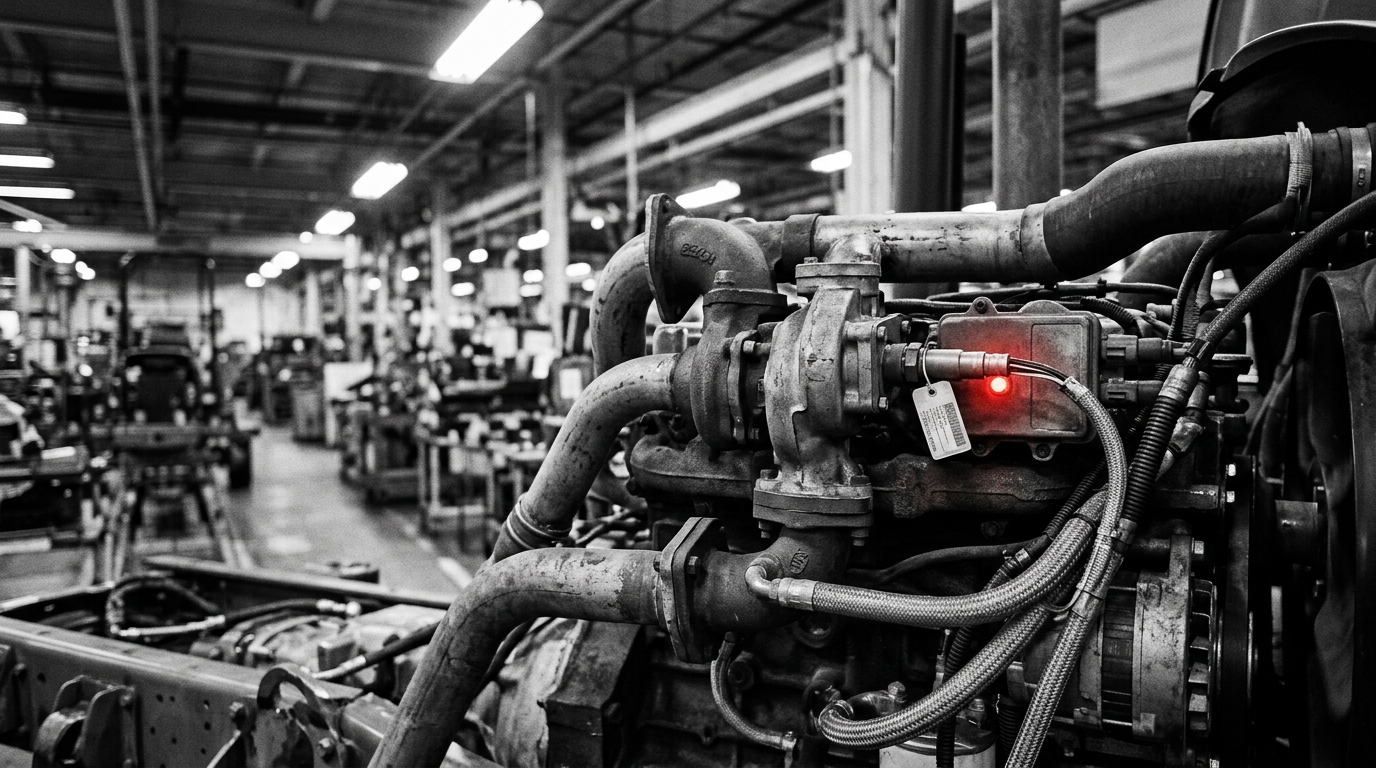
CNH Flags Emissions Software Update, A Compliance Exercise CNH Industrial announced on September 16 that it will roll out software updates in the fourth quarter of 2026. The change, affecting emissions systems, is a direct response to updated guidance from the U.S. Environmental Protection Agency (EPA) concerning fault inducement timing. CNH framed the update as a move to "help customers maximize uptime." ## Background Heavy equipment manufacturers operate in a cyclical, capital-intensive industry. Their equity performance depends on macroeconomic trends driving agriculture and construction, not minor product updates. Investors track metrics like order backlogs, dealer inventories, and management guidance—the company's official forecast for future revenue and profit—to gauge health. A stock's multiple, or its price relative to its earnings per share (EPS), often expands or contracts based on these core industrial indicators, not on software patches. Regulatory compliance is a constant and expected cost of doing business for CNH and its peers like Deere & Co. and Caterpillar. The sector has spent decades engineering products to meet evolving emissions standards from the EPA and international bodies. These costs are typically baked into research and development budgets and priced into the final equipment. A software update to tweak how and when an emissions-system fault is reported to the operator is a technical detail, not a fundamental shift in product capability or market positioning. ## Why it matters The announcement is unlikely to have a material read-through for the industrial sector or the broader market indices. It reaffirms that the regulatory burden on engine manufacturers is an ongoing operational reality. For CNH specifically, the primary risk is not in the strategy but in the execution. A poorly managed software rollout could lead to unintended vehicle downtime, an increase in warranty claims, or damage to customer relationships—the opposite of the company's stated goal. Traders looking for a competitive edge or a new technology story from this release are on the wrong side of the information. The announcement is a disclosure of a mandatory technical adjustment. While presented as a customer benefit, its origin is regulatory compliance. This is business as usual for a global manufacturer, not the introduction of a feature that will drive new sales or take market share. ## What to watch The key test will be whether the software rollout proves to be a non-event for CNH's operations and customers. The company's earnings report for the fourth quarter of 2026 and management's commentary in early 2027 will be the first opportunity to see any financial impact. The focus will be on any mention of unusual warranty accruals, service costs, or customer feedback related to the update. Absence of commentary would confirm the update was a routine matter.