Yemen Blasts Reported Near Sanaa as Red Sea Risk Grows
Houthi officials claimed more than 50 Saudi strikes in 24 hours; the count has not been independently verified.
Mateo Fernandez ·
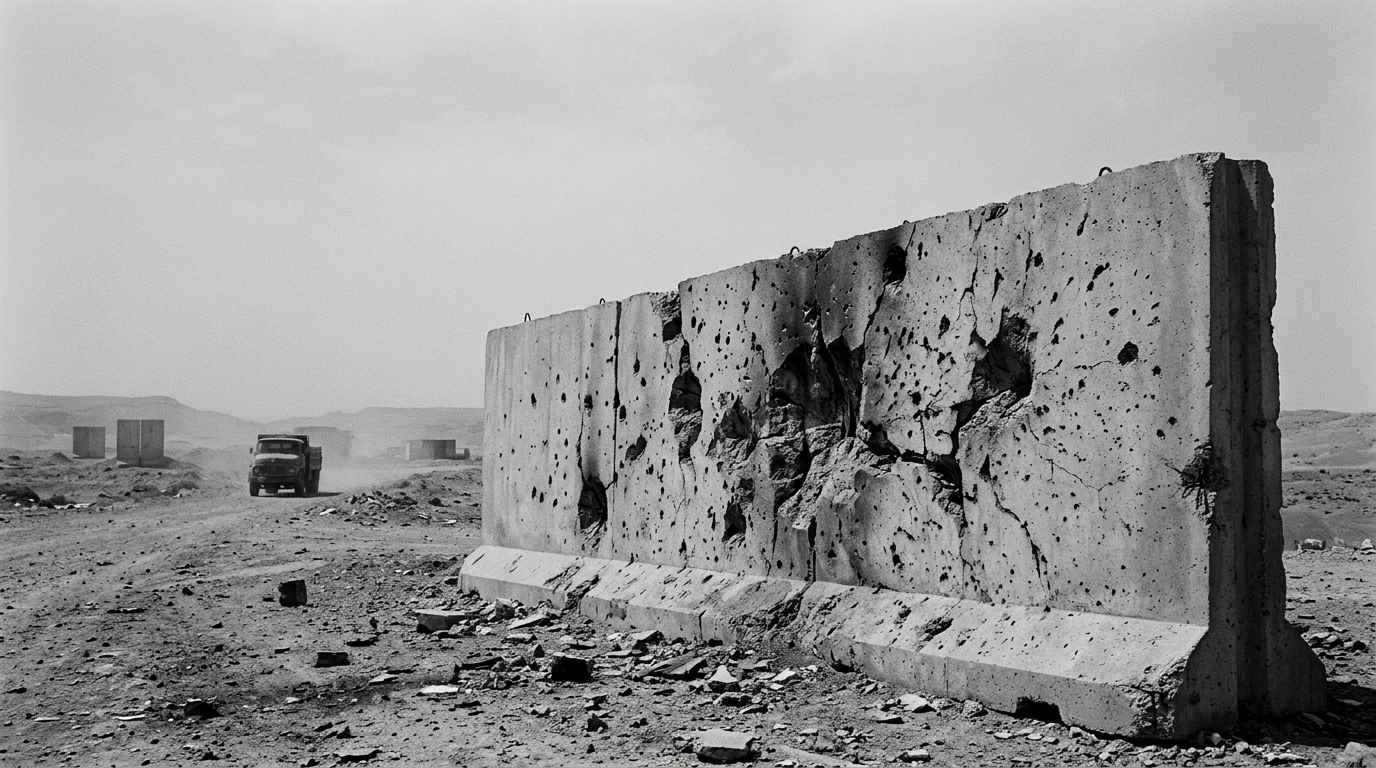
Houthi officials said Saudi Arabia carried out more than 50 strikes in 24 hours near Sanaa, adding pressure to Red Sea security. The claim has not been independently verified in full. Reaction is pending in shipping and energy markets, where Yemen’s conflict remains a risk channel for trade routes linking Asia, Europe and the Middle East.
Local reports described blasts in areas around Sanaa airport on September 14, with footage said to show civilians fleeing as bombardment continued. The reported targets were areas linked to Ansarallah, the Houthi movement that controls Sanaa and has been fighting Saudi-backed forces for years.
Sanaa airport and Bab el-Mandeb
The escalation follows reported Houthi advances in western Yemen, including territory near the Red Sea and Bab el-Mandeb. That strait is one of the world’s main maritime chokepoints, connecting the Red Sea with the Gulf of Aden and the route toward the Suez Canal.
If fighting holds near the coast, the immediate mechanism for markets is insurance, rerouting and freight pricing rather than Yemeni output itself. Higher perceived risk can lengthen voyages around southern Africa and add costs for container lines, tanker operators and importers exposed to Red Sea schedules.
The regional risk is escalation between Saudi Arabia and the Houthis, with shipping disruption acting as the global transmission point. For the Houthis, coastal gains would strengthen leverage over maritime security; for shipping and energy firms, the sector risk is a wider risk premium on Red Sea passages.
By September 15, the key test is whether fresh strikes or verified Houthi advances are reported near Bab el-Mandeb.
If the fighting stays inland, the macro effect is likely limited; if it moves closer to shipping lanes, freight, insurance and energy-risk pricing become the first channels to watch.