Soaring Copper Prices Drive Eurozone Infrastructure Thefts
Eurozone nations face increasing disruptions to critical infrastructure, including public transport, as a 20% year-to-date surge in global copper prices…
Claire Dubois ·
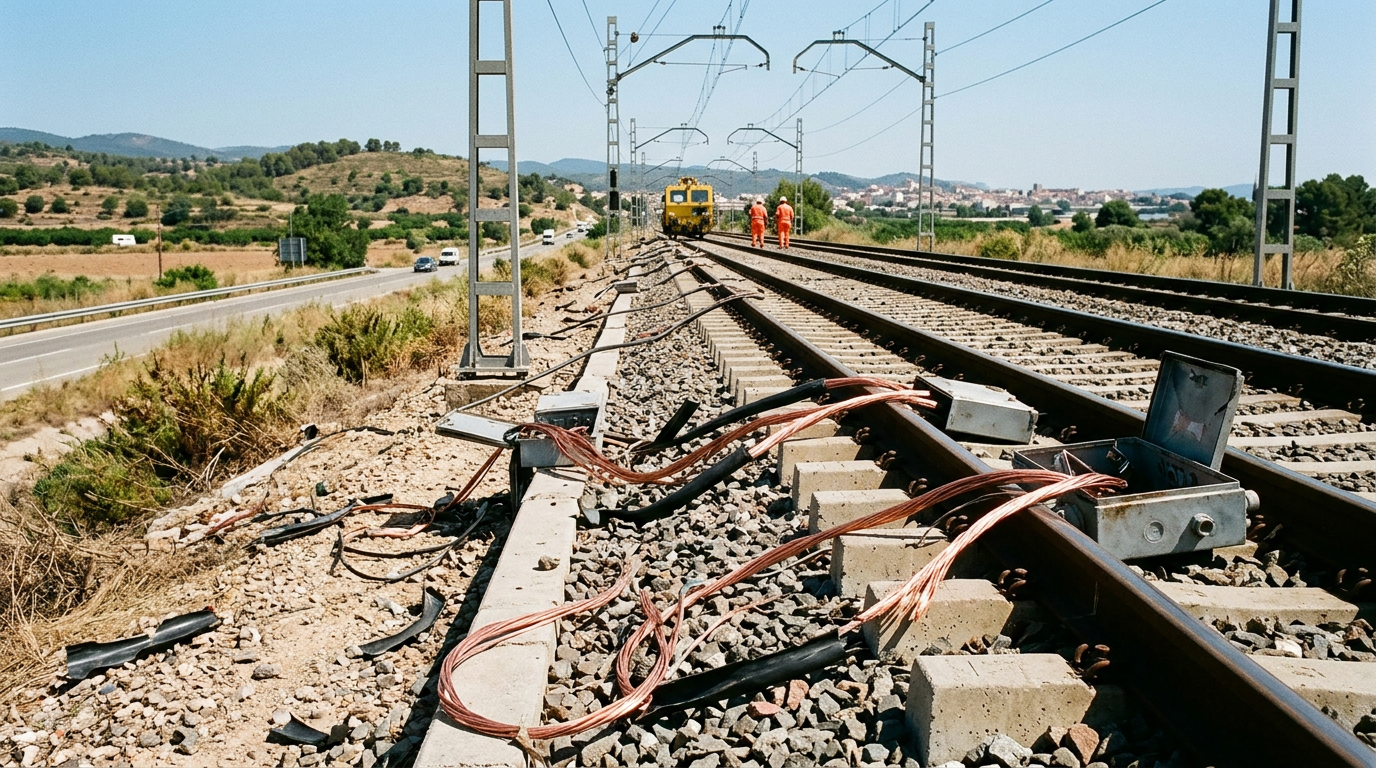
Rising Metal Thefts Plague Transport Networks
Infrastructure operators across the Eurozone are grappling with a notable increase in metal thefts, a trend directly tied to the significant appreciation of global copper prices. Catalonia's regional Rodalies rail network, for example, reported fresh disruptions this Wednesday on its R3 line, following a series of similar incidents attributed to the surging value of the industrial metal. The London Metal Exchange, a key global benchmark, has seen copper prices climb approximately 20% since the start of the year and 70% since early 2023, creating a strong incentive for illicit activities.
This localized problem in Catalonia, where copper theft incidents have produced serious disruptions, underscores a wider vulnerability within the Eurozone. Such thefts impose substantial economic costs, ranging from repair expenses and service interruptions to broader economic inefficiencies caused by delayed transport and energy provision. The direct link between commodity market dynamics and infrastructure security highlights an overlooked consequence of global economic shifts.
Global Commodity Prices and Green Transition Demand
Forecasts from organizations like S&P Global indicate that The recent ascent in global copper prices reflects a confluence of factors, primarily driven by robust demand linked to the green energy transition and persistent supply constraints. Copper, essential for electric vehicles, renewable energy infrastructure, and charging networks, is seeing its role expand rapidly. Forecasts from organizations like S&P Global indicate that global copper demand could nearly double by 2035, reaching 50 million metric tons, driven largely by these decarbonization efforts. Supply, however, struggles to keep pace. New mine development faces extended lead times, increasing regulatory hurdles, and rising capital expenditure. Geopolitical tensions and labor disputes in major producing regions further exacerbate these limitations. This fundamental imbalance between burgeoning demand and constrained supply creates a market environment ripe for sustained high prices, making valuable metals like copper an increasingly attractive target for theft from accessible infrastructure. Economic Impact on Utilities and Growth The proliferation of copper theft carries significant economic ramifications for Eurozone utilities and overall economic growth. Transport operators, such as Spain's Renfe, incur direct repair costs, schedule delays, and customer compensation claims. Energy providers face similar challenges, with stolen cables leading to power outages and expensive replacement operations. In Germany, Deutsche Bahn has reported tens of millions of euros in annual damages from metal theft, highlighting a recurring problem across various national infrastructures.
Beyond direct financial losses, these incidents introduce operational inefficiencies and erode public confidence in essential services. Prolonged disruptions to rail networks impede commuter travel and freight movement, affecting labor mobility and supply chains. For the broader Eurozone macro picture, such thefts represent a drain on public and private resources that could otherwise be invested in infrastructure upgrades or economic stimulus, potentially slowing regional growth and impacting consumer price inflation if repair costs are passed on.
Policy Responses and Future Vulnerabilities
In response to the growing threat, Eurozone nations and the European Union have explored various countermeasures, though a unified, comprehensive strategy remains elusive. National efforts include increased surveillance, tighter scrap metal dealer regulations, and enhanced penalties for offenders. For instance, the UK introduced the Scrap Metal Dealers Act in 2013, which has reportedly reduced some types of metal theft by requiring cashless transactions and identification for sellers.
However, the cross-border nature of these criminal operations often outpaces local regulatory frameworks. The vulnerability of extensive, open infrastructure networks—from rail lines to telecommunications cables—presents a continuous challenge. As commodity prices remain sensitive to global economic shifts and green transition policies, infrastructure operators must contend with an evolving threat landscape that demands adaptable and coordinated security measures.
Observing Market and Policy Responses
The primary observable for the remainder of the summer will be whether sustained high copper prices translate into a further increase in reported infrastructure disruptions across key Eurozone economies. If current price levels for industrial metals hold or continue their upward trajectory, policymakers will face heightened pressure to implement more stringent and coordinated EU-level interventions. Conversely, a significant correction in copper prices could temporarily alleviate the immediate pressure, reducing the incentive for large-scale thefts, though the underlying vulnerability of infrastructure to commodity market volatility would persist.