France Shatters All-Time Heat Records in Hottest Summer on Record
France experienced its warmest summer since 1900 in 2026, leading to 2,025 excess deaths and severe rainfall deficits, prompting a climate adaptation review.
Atlas Newsdesk ·
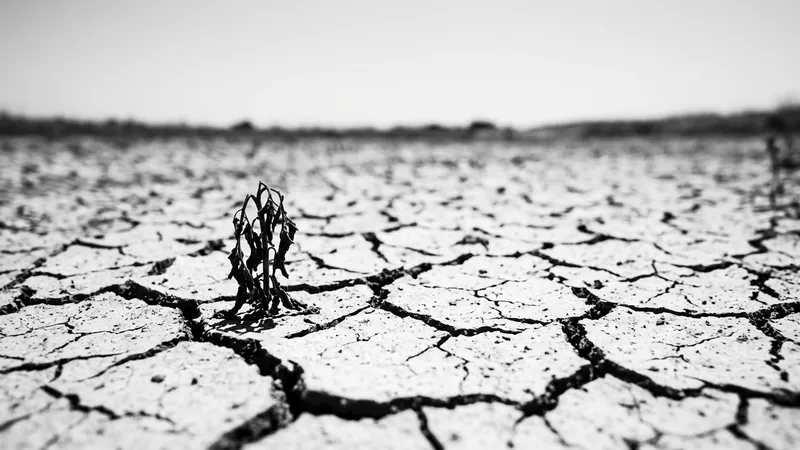
France registered its warmest summer on record in 2026, with average temperatures climbing to 24 degrees Celsius, a significant 3.6 degrees Celsius above the historical average. This period marked the highest temperatures observed in the country since measurements began in 1900, as confirmed by Environment Minister Monique Barbut on Thursday.
The prolonged heat had substantial public health ramifications. Health Minister Stephanie Rist reported that a late-June heatwave contributed to 2,025 excess deaths, with a particularly sharp increase in mortality rates among individuals aged 45 and older.
The nation simultaneously grappled with a 40 percent deficit in rainfall, making it the second-driest summer in recorded history. This lack of precipitation exacerbated conditions, leading to widespread wildfires across several regions of the country.
Climate Trends and Government Response
These extreme weather patterns in France align with a broader climate trend observed across Europe, which the Copernicus Climate Change Service identifies as the world's most rapidly warming continent. This context underscores the urgency of addressing climate change impacts at both national and continental levels.
In response to the persistent heatwaves and their far-reaching consequences, Prime Minister Sebastien Lecornu has initiated a comprehensive review of the nation's climate change adaptation strategies. This review aims to bolster France's resilience to future extreme weather events.
Future Climate Adaptation Funding
The French government is moving forward with plans to finalize a five-year funding strategy for climate mitigation and adaptation measures. This critical financial framework is anticipated to be established by the end of September. The strategy will focus on implementing measures designed to reduce greenhouse gas emissions and prepare the country for the unavoidable impacts of a changing climate, such as more frequent and intense heatwaves, droughts, and wildfires.
The initiative reflects a growing recognition within the French government of the need for proactive and robust climate policies to safeguard public health, natural resources, and economic stability in the face of escalating climate challenges. The review and subsequent funding strategy are expected to shape France's environmental and public policy agenda for the coming years.
Societal and Economic Implications
The unprecedented summer heat and associated impacts highlight significant societal and economic challenges. Beyond the immediate health crisis and environmental damage from wildfires, agricultural sectors face considerable strain due to drought, potentially affecting crop yields and food security. Infrastructure, particularly energy grids, also experiences increased stress during periods of high temperatures due to elevated demand for cooling.
These events serve as a stark reminder of the interconnectedness of climate, health, and economy, necessitating integrated policy responses that address both immediate crises and long-term vulnerabilities. The government's focus on adaptation plans signals a commitment to building a more resilient future, though the scale of the challenge remains immense.