EU Wildfire Damage Surpasses 434,000 Hectares This Year
Wildfires across the European Union have scorched over 434,976 hectares since January, marking a 25% increase compared to the same period last year.
Atlas Newsdesk ·
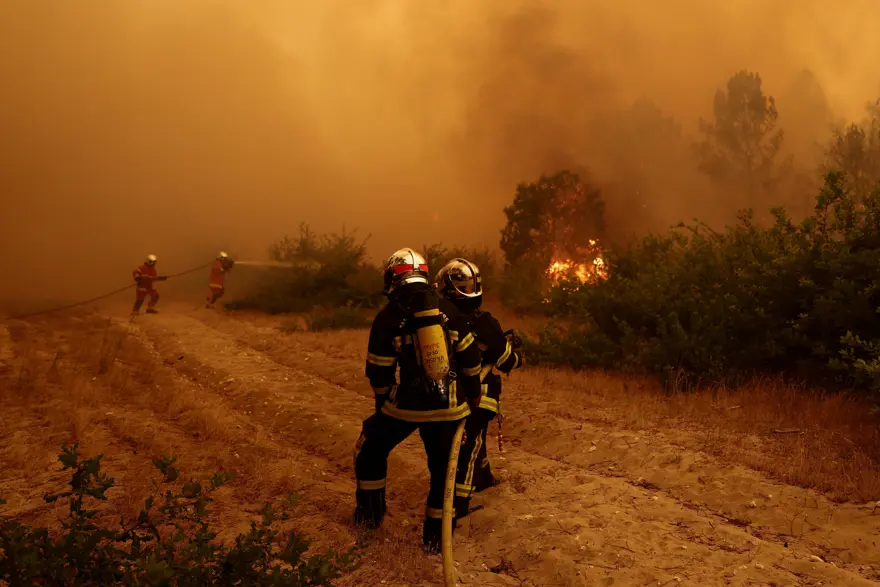
Escalating Land Loss Across Europe
Reports indicate that wildfires within the European Union have consumed 434,976 hectares of land since the beginning of the year. This figure represents a significant rise of approximately 25% when compared to the corresponding timeframe in the previous year.
The total area affected suggests that blazes have spread across broader territories throughout the bloc. Because specific data regarding individual nations, casualty counts, or financial impacts remain unavailable, the current assessment is limited to the total extent of land lost.
Evaluating the Environmental Impact
The loss of nearly 435,000 hectares highlights that fire damage must be measured by the scale of the scorched earth rather than just the frequency of incidents. A 25% increase suggests that fires are either covering more ground or proving more difficult for emergency services to contain.
This data does not identify the specific drivers behind the surge. Factors such as drought conditions, wind patterns, human activity, and regional firefighting capabilities vary significantly, requiring a more granular official breakdown to determine the primary causes.
Expanding fire zones place considerable strain on public budgets beyond the immediate environmental destruction. Operations involving suppression, evacuations, infrastructure restoration, and reforestation often necessitate simultaneous spending from multiple government agencies.
Economic and Sectoral Pressures
While no single corporation is at the center of this crisis, the impact is felt by national forestry departments, local authorities, and businesses operating in vulnerable regions. Sectors such as agriculture, energy transmission, and tourism face varying levels of disruption depending on the proximity of fires to critical assets.
For the tourism industry, the risk extends beyond physical damage to facilities. Secondary effects such as smoke pollution, road closures, and mass cancellations can create economic ripples far outside the immediate fire perimeters.
Within the insurance sector, the frequency and geographic concentration of these events may challenge existing pricing models. Should the total area burned continue to expand, industry observers will likely monitor insurance premiums, coverage terms, and reinsurance costs with increased scrutiny.
Future Scenarios and Uncertainties
If the rate of fire spread decelerates for the remainder of the year, the macroeconomic impact will likely remain confined to local repair budgets. In this scenario, the burden falls primarily on public institutions, while the pressure for sudden repricing in tourism and agriculture may be mitigated.
Conversely, if the scorched area continues to grow, the financial consequences will become more pronounced. This could lead to operational disruptions for businesses in affected regions and force the insurance industry to recalibrate its loss expectations, potentially affecting food and energy supply chains.