Gloria Steinem, Feminist Icon and Author, Passes Away at 92
Gloria Steinem, a central figure in the American women's rights movement, has died at age 92 in her New York City residence.
Atlas Newsdesk ·
A Legacy of Advocacy
Gloria Steinem, the influential journalist and activist who became a defining voice for gender equality in the United States, has died at 92. Her passing at her New York home marks the conclusion of a career spanning over five decades of social and political reform.
Representatives from her foundation confirmed the news, noting that she remained dedicated to her advocacy work until the end of her life. While the organization acknowledged her passing, no specific medical details regarding the cause of death were disclosed.
Early Life and Global Perspective
Born in Toledo, Ohio, in 1934, Steinem experienced a nomadic childhood that delayed her formal schooling until her early teenage years. Following her university studies, she spent two years in India on a research fellowship, where she observed and supported non-violent grassroots protests led by local women.
This international experience informed her later approach to activism, which blended journalism with direct community organizing. She consistently focused on issues such as economic parity, political representation, and reproductive autonomy throughout her professional life.
Journalism and the Launch of Ms.
Steinem’s career in the media began in the early 1960s with freelance assignments, including an undercover report detailing the working conditions within private clubs. She later contributed to major publications before co-founding the influential magazine Ms. in 1972.
The publication served as a critical platform for discussing workplace discrimination, social inequality, and the evolving role of women in American society. By utilizing her journalistic background, she helped bridge the gap between academic theory and the daily realities faced by women across the country.
Reproductive Rights and Political Impact
Throughout the 1970s, Steinem became a prominent advocate for reproductive healthcare and abortion access. She famously shared her own personal history regarding an illegal procedure she underwent in 1957, using her platform to humanize the legal and medical debates surrounding the issue.
Her public stance helped shift the national conversation, moving it from abstract legal arguments to a focus on individual rights and bodily autonomy. This period of her life solidified her role as a bridge between organized political lobbying and grassroots activism.
Honors and Continued Influence
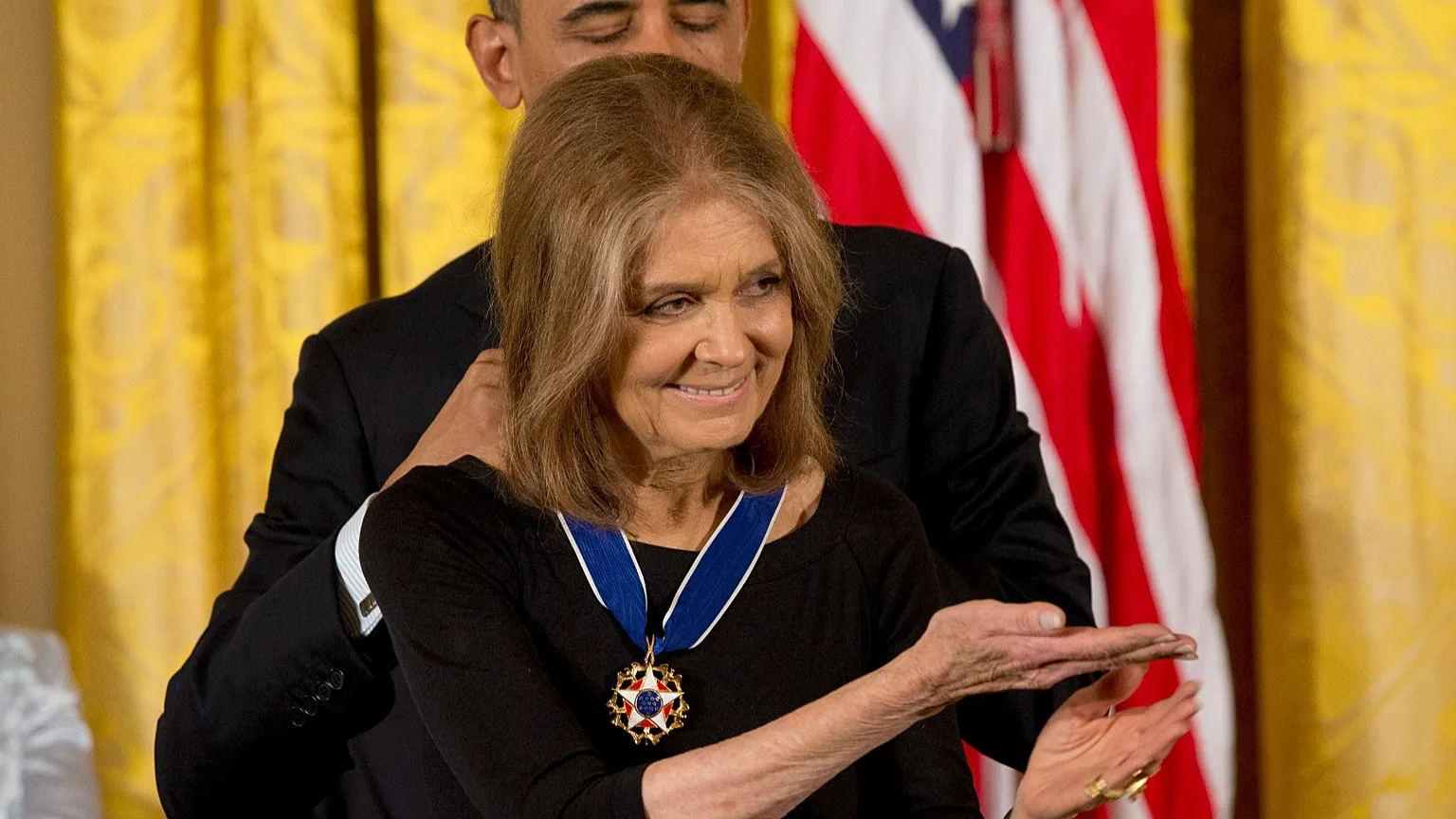
In 2013, she received the Presidential Medal of Freedom from the White House, the highest civilian honor in the nation. Her personal life included a marriage to entrepreneur David Bale in 2000, which lasted until his death three years later.