NASA Officials Address Artemis II Risk Assessment
NASA officials discussed the Artemis II risk assessment following unanimous approval for final preparations, with launch set for April 1.
Jason Kwon ·
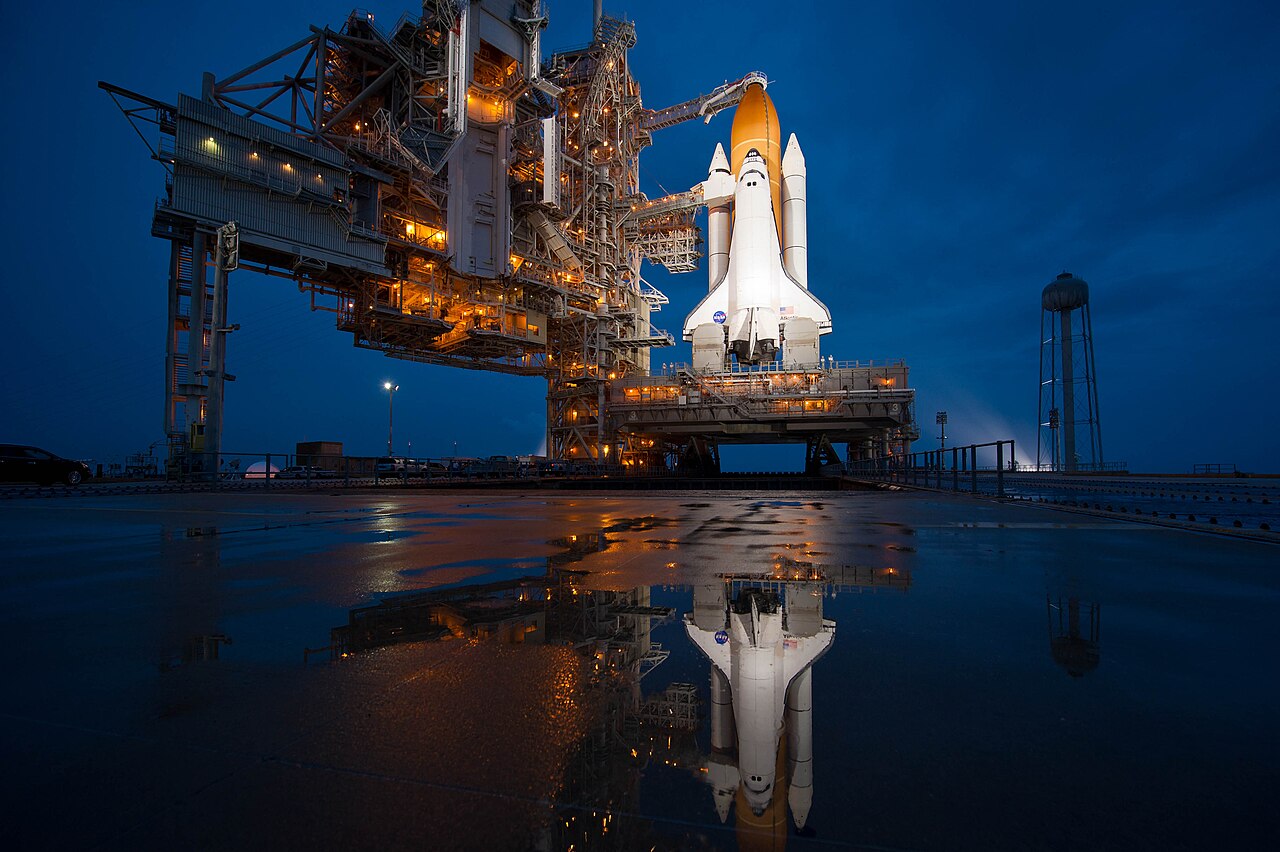
NASA officials recently addressed the probabilistic risk assessment for the upcoming Artemis II lunar mission, following a flight readiness review. The mission, which aims to send a crewed spacecraft around the Moon, received unanimous approval for its final preparations. This development occurred during a press conference held on Thursday at Kennedy Space Center in Florida.
Artemis II is slated for launch no earlier than April 1, at 6:24 PM EDT (22:24 UTC). This mission marks a significant step, as it will be the first crewed journey to the lunar vicinity since 1972. The four-person crew will undertake a nine-day voyage, extending thousands of miles beyond the Moon's far side.
Mission Details and Preparations
Risk Assessment Transparency
Glaze emphasized that the assessment's primary value lies in facilitating relative risk comparisons rather than offering absolute quantification. This approach helps mission planners understand potential hazards in context. The agency maintains that comprehensive evaluations are integral to mission safety and planning.
Previous Delays and Resolutions
Historical Context and Future Implications
Implications
Country Impact: The successful execution of Artemis II could bolster national prestige and leadership in space exploration, potentially influencing future government funding and international collaborations in space programs.
Industry Impact: The space industry, including aerospace manufacturers and technology providers, stands to benefit from continued investment and development spurred by the Artemis program, driving innovation in propulsion, life support, and spacecraft design.
Market Impact: Investor confidence in space-related companies might see an uplift with positive mission progress, while delays or setbacks could introduce volatility. The long-term market impact hinges on the program's ability to demonstrate sustainable lunar operations and commercial viability.