Strait of Hormuz: US-Iran Tensions Boil Over
Strait of Hormuz tensions rose May 4, 2026, after a U.S. transit security initiative, sparking military engagements & conflicting reports on vessel movements.
Lauren Collins ·
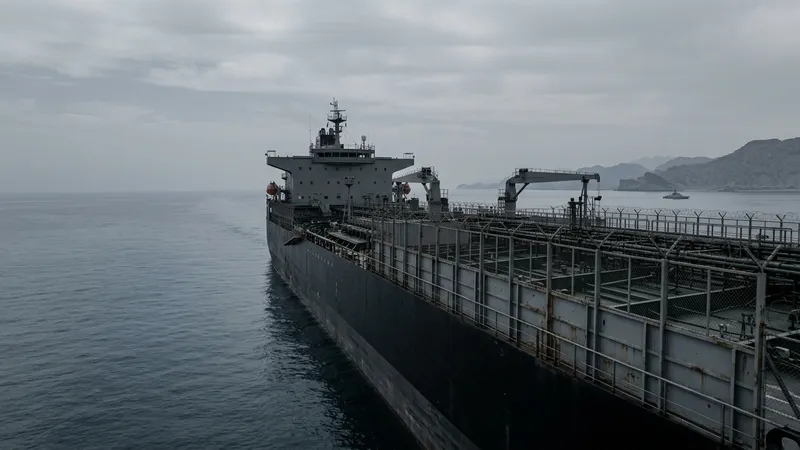
Hormuz Tensions Escalate Amid US-Iran Dispute Tensions in the Strait of Hormuz escalated on May 4, 2026, following the launch of "Project Freedom" by the United States, aimed at securing transit through the vital waterway. This initiative, led by former President Donald Trump, prompted immediate military engagements and conflicting reports regarding commercial vessel movements.
The U.S. military reported destroying six small Iranian boats and intercepting Iranian cruise missiles and drones, while Iran denied these claims and launched drone and missile attacks on the UAE's Fujairah oil port.
The U.S. Central Command (Centcom) stated that two U.S.-flagged merchant vessels successfully transited the strait.
However, Iran's Revolutionary Guards denied any commercial ships had crossed. Container shipping company Maersk confirmed that the Alliance Fairfax, a U.S.-flagged vehicle carrier, exited the Gulf late on Monday.
The situation has lesources over 800 ships and approximately 20,000 crew members stranded in the region, raising skepticism among shipping industry experts about the safety of future transits.
The heightened military activity and conflicting accounts underscore the volatile security environment in the Strait of Hormuz, a critical chokepoint for global oil shipments. The U.S. has issued strong warnings, with former President Trump threatening severe retaliation if U.S. vessels are attacked. This development marks a significant escalation in U.S.-Iran relations, impacting regional stability and international maritime commerce.