FIFA faces Pride Match dispute over Egypt vs Iran game
A World Cup Pride match label for Egypt vs Iran in Seattle has sparked objections from both federations as organizers plan events outside Lumen Field.
Mehmet Şahinoğlu ·
A World Cup Pride Match designation for Egypt vs Iran in Seattle has sparked objections from both countries’ football authorities ahead of the June 26, 2026 fixture.
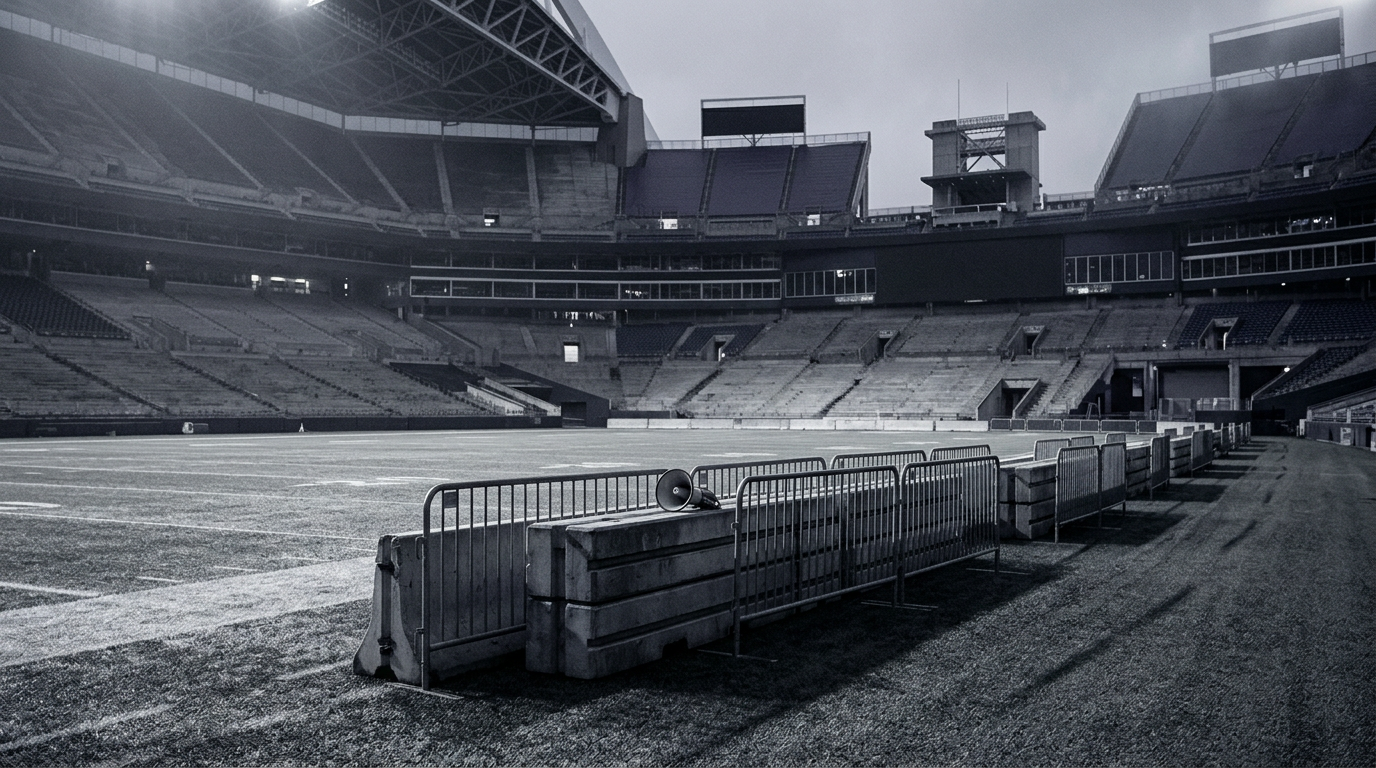
The group-stage game is scheduled for Lumen Field during the city’s Pride weekend, after local organizers highlighted the date as part of broader celebrations planned around Seattle.
Federations protest branding tied to Pride weekend
Egypt’s football federation has formally asked FIFA to prevent any Pride-linked activities from being associated with the match. In its letter, the association said it “categorically rejects” initiatives connected to “supporting homosexuality,” arguing they conflict with cultural and religious values.
Iranian officials have also objected, with public comments describing the Pride branding as an “irrational move.” The dual pushback reflects the socially conservative policies of both states and the sensitivity around LGBTQ+ rights in international sport.
Iran criminalizes same-sex relations and imposes severe penalties, including the death penalty under certain circumstances. Egypt has used morality statutes to prosecute LGBTQ+ people, drawing criticism from human-rights groups over years.
Seattle says plans predated the draw, festivities off-pitch
Seattle’s local World Cup organizing committee has said the Pride programming was set before the tournament draw in December placed Egypt and Iran into Group G and assigned them the June 26 date and venue.
Organizers say they intend to proceed with Pride weekend events across the city and in areas outside the stadium. They have emphasized that celebrations are not being positioned as match-day messaging on the field of play.
The committee has also pointed to Seattle’s sizable Iranian-American and Egyptian diaspora communities, noting that the region is accustomed to hosting multicultural public events. The match’s placement on the Pride calendar, however, has raised the prospect of heightened scrutiny around security, fan experience, and the boundaries between civic celebration and a FIFA match.
FIFA weighs neutrality rules amid recurring rights tensions
FIFA has historically maintained that stadiums should remain politically and religiously neutral, a stance often invoked when disputes arise over symbols, banners, or themed activities. In this case, the emerging approach appears to be allowing external city events while avoiding direct FIFA participation.
That posture could limit conflict inside the venue while leaving unresolved questions about how host cities align their own public calendars with the World Cup schedule. The issue is particularly acute when a civic event intersects with teams representing governments whose laws and policies diverge sharply from local norms.
The Egypt-Iran dispute highlights a recurring challenge for global tournaments: host locations routinely frame matches within local culture, while participating teams bring distinct political contexts and legal systems. When those collide, the governing body is pressured to balance inclusivity messaging, local autonomy, and rules intended to keep competition spaces focused on sport.
Next steps are likely to center on operational boundaries—what can be promoted on stadium property, what remains in surrounding fan zones, and what language appears in official match communications. FIFA’s handling of requests from both federations, and any guidance issued to Seattle organizers, will be closely watched as a test case for similar clashes during the 2026 tournament.