FIA Greenlights Rotating Rear Wings for F1 Safety
Formula 1's governing body, the FIA, confirmed rotating rear wing designs meet safety standards after 2026 season issues, ensuring continued innovation.
Atlas Newsdesk ·
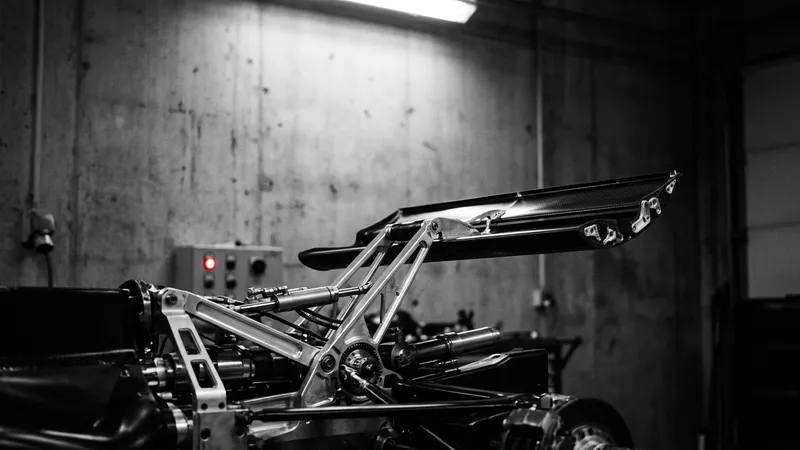
The Fédération Internationale de l'Automobile (FIA), Formula 1's principal regulatory authority, has officially declared that rotating rear wing designs comply with all necessary safety standards. This decision follows an extensive technical review prompted by several vehicle malfunctions observed during the 2026 racing season. The evaluation concluded that these advanced aerodynamic solutions are safe for ongoing use and further development within the sport.
As part of its stringent assessment, the FIA mandated a comprehensive Failure Mode and Effects Analysis (FMEA) for all teams employing the rotating wing concept. This critical engineering study was designed to meticulously evaluate and guarantee the reliability of hydraulic systems and the predictable aerodynamic behavior of the wings, particularly during their closing sequences. The FMEA process identifies and mitigates potential failure points, thereby enhancing overall vehicle safety and performance integrity on the track.
Engineering Adjustments and Compliance
While the fundamental concept of the rotating rear wing gained approval, the review necessitated specific mechanical enhancements for certain teams. These modifications were crucial to address identified instability risks, ensuring components function reliably under the extreme conditions of racing. Red Bull, a notable team, proactively undertook additional engineering work on its system after initial safety assessment findings.
During this development phase, Red Bull temporarily reverted to more conventional hardware. This strategic move maintained uninterrupted compliance with safety regulations, allowing the team to thoroughly test and integrate its updated design before reintroducing it into competitive events. The subsequent clearance of Red Bull's redesigned system by the FIA sets a significant precedent for other teams developing similar advanced aerodynamic solutions, fostering innovation within a secure regulatory framework.
Regulatory Oversight and Future Evolution
The FIA has reiterated its confidence in its existing oversight mechanisms, affirming their robustness in managing the inherent risks associated with complex mechanical systems in Formula 1. This decision not only validates the engineering behind rotating rear wing technology but also highlights the governing body's commitment to balancing technological progress with paramount safety considerations for all competitors.
This regulatory clarity establishes a stable foundation for the ongoing evolution of aerodynamic strategies across the sport. Moving forward, other teams are now better positioned to refine or introduce their own versions of this technology, benefiting from the established safety precedents. The FIA's continuous monitoring and rigorous testing protocols aim to ensure that as designs evolve, they consistently meet the highest standards of safety and performance, thereby preserving the competitive integrity and spectacle of Formula 1 racing.
The introduction of such dynamic aerodynamic components represents a significant shift from static wing designs, demanding sophisticated control systems and real-time data analysis to ensure optimal performance and safety. Teams must now invest heavily not only in the mechanical and hydraulic aspects but also in the software and sensor technologies that govern the wing's operations. This regulatory framework encourages a holistic approach to vehicle design, where safety is integrated from conception through deployment, reflecting a broader trend in high-performance motorsports to push boundaries while maintaining strict protective measures for drivers.
Impact on Aerodynamic Strategy
The FIA's approval encourages further exploration into active aerodynamics, which could lead to more efficient and dynamic car designs. The ability to modify airflow in real-time offers teams new avenues for optimizing speed on straights and downforce in corners, potentially increasing overtaking opportunities and enhancing race excitement. This regulatory endorsement underscores a commitment to fostering technological evolution that benefits both competitive performance and spectator engagement, while maintaining the sport's safety record.
Global Motorsport Implications
The success and safe implementation of rotating rear wings in Formula 1 could influence other top-tier motorsport series. As F1 often serves as a proving ground for automotive technologies, its advancements in active aerodynamics and the regulatory approaches to managing their safety might be adopted or adapted by series like endurance racing or even touring car championships, promoting innovation across the industry. This transfer of technology and regulatory best practices could lead to safer and more dynamic vehicles globally.