

Israeli Lawmaker Damages Palestinian Memorial in West Bank
An Israeli lawmaker, Zvi Sukkot, damaged a Palestinian memorial in the West Bank, sparking controversy and raising concerns over escalating tensions.
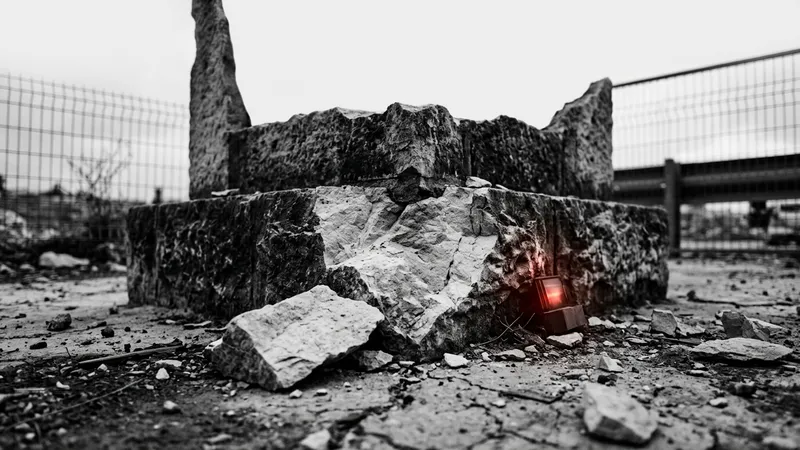
An Israeli parliament member used a sledgehammer to damage a Palestinian memorial in the West Bank village of Madama on Monday. Video footage and reports from the village council confirmed the incident involved Zvi Sukkot, who was accompanied by an Israel Defense Forces (IDF) military escort. This action has drawn criticism from within the Israeli government and fueled concerns about growing tensions in the occupied territories.
The monument, a stone structure established in 2008, was dedicated to Palestinians who died in the 1968 Battle of Karameh and subsequent intifadas. Rami Nasar, the head of the Madama village council, stated the memorial honored individuals killed in conflict with Israel, irrespective of their political affiliations. The incident underscores the contentious nature of memorials in the region and the ongoing struggle over historical narratives.
Military Escort Involvement
The Israel Defense Forces confirmed that its soldiers were present at the scene. The military had authorized a tour of local monuments for Sukkot and provided security. However, the IDF stated that Sukkot and his companions proceeded to act deceptively and without official authorization for the destruction of the memorial. Military personnel eventually intervened to halt Sukkot's actions and remove his group from the site after reporting the incident to their commanders.
This event follows earlier warnings from Major General Avi Bluth, the most senior Israeli military officer in the West Bank. Reports indicate that General Bluth informed Prime Minister Benjamin Netanyahu in a private meeting that an increase in settler violence could potentially trigger a wider security escalation throughout the territory. The presence of military personnel during the incident further complicates the narrative surrounding civilian actions in the West Bank.
Government Response and Political Division
Prime Minister Benjamin Netanyahu's office issued a statement criticizing Sukkot's conduct, emphasizing that individuals taking the law into their own hands diverts the IDF's focus from its primary missions of combating terrorism and incitement to violence. This condemnation signals a division within the government regarding actions taken in the West Bank.
Conversely, Finance Minister Bezalel Smotrich, who leads the Religious Zionism party to which Sukkot belongs, publicly defended the lawmaker. Smotrich characterized the criticism as a diversion, arguing it redirected attention from what he termed "the frantic rush of the left-wing opposition to condemn Sukkot rather than terrorism itself." The incident highlights persistent tensions regarding the behavior of public officials in occupied territories and the challenges faced by security forces in managing unauthorized civilian activities, particularly amid a recent surge in settler attacks against Palestinians.
Broader Implications for Regional Stability
The destruction of the memorial not only signifies a direct act of vandalism but also reflects deeper political and ideological divides within Israeli society concerning the Palestinian territories. Such actions, especially when involving elected officials and military escorts, can exacerbate existing frustrations among Palestinians and potentially incite further unrest. The event draws attention to the complexities of governance and security enforcement in the West Bank, where civilian and military roles often intersect in volatile ways.
More stories
- Houthis claim Riyadh airport strike as injuries reported
- Germany Reaffirms Russia Sanctions Amid Potential US Policy Shift
- China beats Thailand 2-0 to reach junior badminton final
- Russia and China Block US Push for Nationwide Sudan Arms Embargo
- Report of US pressure on Israel over Iran strikes tests Washington posture
- Trump administration sanctions International Criminal Court
- Gaza Farmers Confront Production Collapse Amid Infrastructure Destruction
- Nepal Floods Kill Seventeen, Disrupt Key Border Routes
- Netanyahu Claims Iran Attempted Son's Assassination
- US Sanctions Target Iran's Revenue Streams, Bessent Confirms