

Formula 1 to Cap Engine Supplies at Two Teams Per Manufacturer by 2030
New 2030 Formula 1 regulations will limit engine manufacturers to two teams each, forcing a supply contract realignment and ending current dominance.
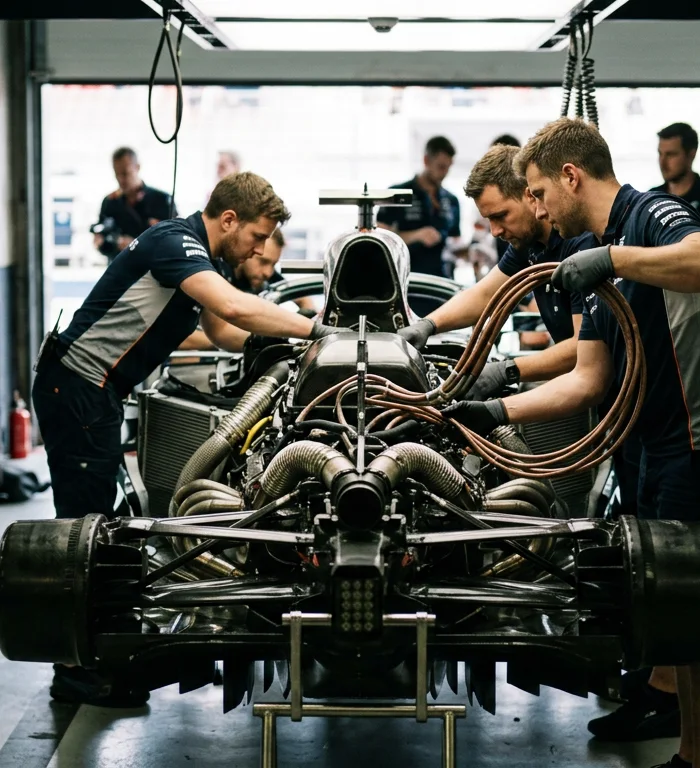
Formula 1 is set to implement a new regulatory framework in 2030 that limits each power unit manufacturer to supplying a maximum of two teams, including their own works operations. This policy, which has received unanimous support from the six participating manufacturers, aims to reduce the political influence of dominant suppliers and mitigate the financial losses associated with engine production. Under the new rules, engine supply costs will be capped at approximately $18 million per season.
The shift to 2.1-liter V8 turbocharged engines utilizing sustainable fuels is designed to lower development costs and reduce technical complexity. The move effectively terminates previous proposals for independent, third-party "white label" engine suppliers, as the current manufacturer pool is deemed sufficient to cover the grid. The FIA has included a contingency clause requiring manufacturers to transfer their intellectual property to the governing body should they exit the sport, ensuring continuity for affected teams.
This mandate creates significant operational uncertainty for Mercedes, which currently supplies three customer teams in addition to its works operation. With the new cap, Mercedes must reduce its supply footprint, forcing at least two of its current partners—McLaren, Williams, or Alpine—to secure alternative engine suppliers. This transition is expected to trigger intense negotiations within the paddock as teams compete to secure reliable power units.
While McLaren and Williams have expressed a preference to maintain their existing partnerships, the decision rests on Mercedes' strategic priorities regarding chassis benchmarking and competitive parity. The proposal is scheduled for formal review by the FIA World Motor Sport Council in Shanghai next month. The outcome will dictate the competitive landscape for the next generation of power unit regulations.
More stories
- Hull City 2–0 Brighton: When Resilience Beat Reputation
- Aleksey Batrakov Attracts Barcelona Transfer Interest
- Manchester United weigh Osimhen move, transfer report says
- Ravens 20, Chargers 23: A season at the edge
- Billie Jean King ties 39 majors to equal-pay fight
- Cavaliers list Jarrett Allen questionable for Hornets game
Latest news
- Eisenkot secures first coalition deal but lacks majority
- Trump prepares tariffs on China and other major exporters
- New-car buyers pay record average $50,087 in October
- Banks face ECB reserve debate over liquidity and profits
- Investors see Anthropic debut gains fade below $83 a share
- Iraq orders federal control over Kurdish-area oilfields
- Germans oppose Ukraine aid as poll shows support slipping
- Kim Jong-un receives 10 envoys after constitutional shift