

New Metallurgical Extraction Platform Aims to Strengthen Critical Mineral Supply Chains
A new metallurgical platform utilizing alternative chemical pathways seeks to improve resource efficiency and reduce reliance on traditional…
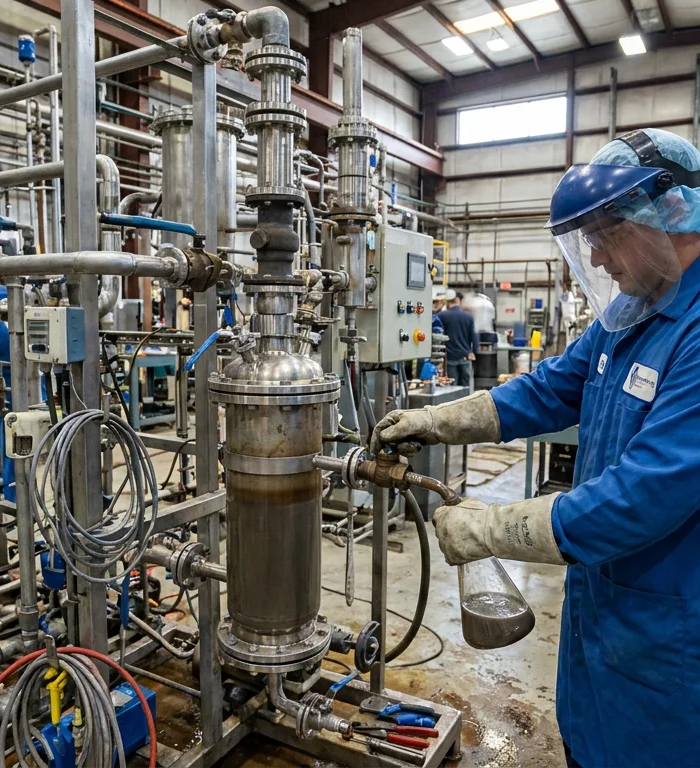
The metals industry is shifting toward alternative extraction technologies to address long-standing inefficiencies in mineral processing. While traditional smelting methods have remained largely unchanged for over a century, new chemical pathways are being developed to improve resource recovery, reduce carbon emissions, and enhance the resilience of critical material supply chains.
These advancements are driven by the increasing strategic importance of specialty metals, such as chromium, which are essential for aerospace, defense, and energy infrastructure. Current geopolitical trends have highlighted the vulnerability of Western economies that have offshored their domestic processing capacity. Consequently, metallurgical innovation is now being evaluated not only by cost and yield, but by geographic origin and environmental impact.
A new technology platform, currently in development, utilizes sulfidation-based processing to separate metallic elements from ores. Unlike conventional carbon-intensive smelting, this method creates a distinct chemical environment that allows for the extraction of metals from lower-grade resources and industrial waste streams. By leveraging advanced computational modeling and interdisciplinary research, the platform aims to move beyond incremental process optimization toward fundamental changes in metallurgical science.
This technology is designed as a scalable platform rather than a single-use process. Once the chemical pathways are validated for specific materials, the underlying principles may be adapted for a broader range of mineral resources. This modularity is intended to increase industrial competitiveness by enabling more efficient use of domestic mineral assets and reducing reliance on external processing hubs. As global demand for electrified technologies and data infrastructure grows, the ability to extract value from previously discarded materials is becoming a critical factor in long-term industrial security.
More stories
- Europe faces attribution gap after 16 cyber, physical incidents
- PIF backs Grand Theft Auto as Saudi players embrace game
- Signal limits screenshots to curb AI access to messages
- Cognition runs Devin Mac workspaces on EC2 in 6 AWS regions
- Salesforce engineers cut 600-failure triage to 90 minutes
- Türkiye Desk: GTA 6 puts console access and network demand in focus
- Anthropic IPO seeks $1.4 trillion fully diluted valuation
- UK agencies face 100-plus public-code security flaws
- Türkiye Desk: Flow Games’ $49m funding line sharpens mobile focus
- Sceye tests 4G service from 54,000 feet over Japan
Latest news
- Macy’s parade faces balloon limits as storm winds approach
- COP31 climate talks collapse over fossil fuels and funds
- Highly diversified investors report 91% confidence in retirement
- Russian military faces 1,087 recorded suicides in Ukraine war
- US faces China, Russia in Africa minerals contest
- Russian war deaths top 460,000, Guardian says
- Nvidia board gets Trump input on Jensen Huang return as CEO
- Rwanda faces budget strain from 85% electricity access push