Europe’s heat kills 1,000+ in Spain, raising alarms for Asia’s summer risk map
A report said Spain’s heatwave death toll has topped 1,000 as parts of Europe face record temperatures, a reminder for Asian governments and employers to…
Mei Lin ·
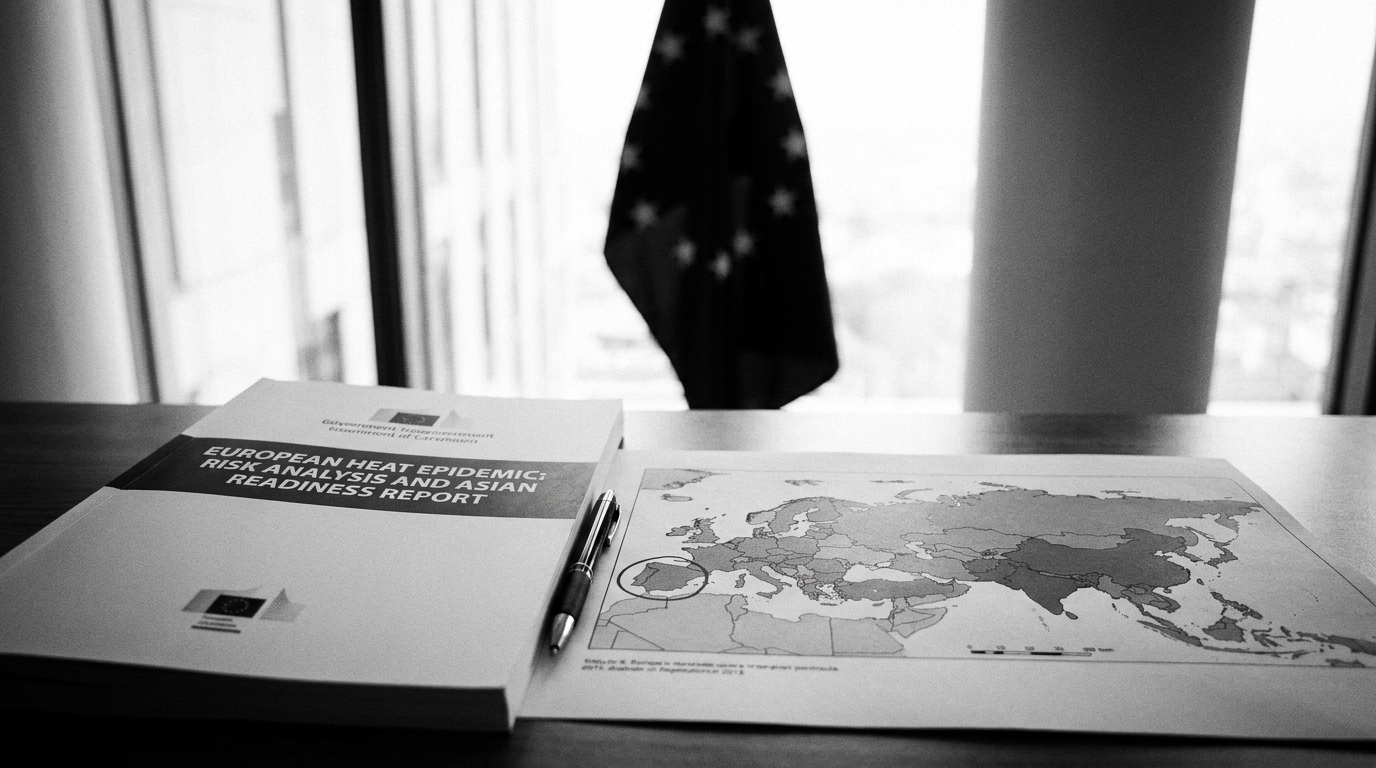
Europe’s latest heatwave has pushed Spain’s reported death toll past 1,000, according to a published account, as several countries grapple with unusually high temperatures and public health strain. The episode is drawing fresh attention to how extreme heat can quickly translate into mortality, work disruptions, and infrastructure stress.
For Asia-Pacific policymakers, the European experience functions as a warning label: heat is no longer a slow-burn climate story but a fast-moving risk that can hit hospitals, power grids, and labor markets in the same week.
Asia has already been living through hotter
Asia has already been living through hotter, longer summers, with authorities increasingly treating heat as a public-safety and productivity issue as much as a meteorological one. Governments across the region have expanded public advisories and emergency responses, while employers in construction, logistics, and manufacturing have had to adapt shift schedules and hydration protocols.
The policy toolkit varies by market. Some countries lean on weather services and disaster-response agencies for heat alerts; others incorporate labor rules that limit outdoor work during peak afternoon temperatures. Regional coordination remains uneven, and unlike typhoons or floods, heat can be harder to “see” as a sudden-onset disaster even when the health impacts are severe.
Heatwaves can spill across borders through trade and supply chains. If temperatures force reduced operating hours at ports, warehouses, and factories, shipping delays can cascade through electronics, apparel, and automotive networks that link Europe and Asia. Even when production continues, heat-related absenteeism can act like a temporary labor shock, tightening delivery schedules.
There is also a financial channel
There is also a financial channel. Extended heat can lift electricity demand for cooling, pushing utilities and fuel importers to secure more supply on short notice. That can feed into power-price volatility and, in energy-importing economies, widen trade deficits, adding pressure to currencies during periods when central banks are already focused on inflation.
By 2026-07-15, Asia-Pacific meteorological agencies and labor regulators should be watched for two observable steps: the issuance of updated heat advisories and any enforcement or guidance tightening for outdoor work during peak daytime hours. If authorities publish stricter thresholds or mandatory rest-and-hydration rules, it signals governments are treating heat as an immediate economic and health constraint; if messaging stays limited to general cautions with no operational guidance, it suggests preparedness is lagging behind the rising frequency and intensity of extreme-heat events described by climate experts in the report.