Tesla AI Chip Project 'Terafab' Launching Soon
Tesla CEO Elon Musk announced the launch of the "Terafab" project, an AI chip development initiative, scheduled to begin within one week.
Jason Kwon ·
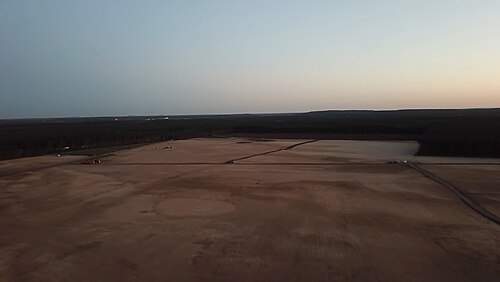
Tesla is poised to launch its "Terafab" initiative, a project dedicated to the development and production of artificial intelligence (AI) chips. CEO Elon Musk confirmed on Wednesday that the new venture is scheduled to commence within the next seven days. This strategic move signals Tesla's deepening commitment to AI hardware, extending its technological footprint beyond its established automotive and energy sectors.
The "Terafab" project represents a significant expansion for the electric vehicle manufacturer. Its primary objective is to create specialized AI hardware, which could potentially serve various applications within Tesla's ecosystem, from advanced driver-assistance systems to robotics and data center operations.
Strategic AI Expansion
Tesla's foray into custom AI chip development is not entirely new. The company has previously designed its own chips for its Full Self-Driving (FSD) technology, moving away from third-party suppliers to gain more control over performance and efficiency. The "Terafab" project appears to be an evolution of this strategy, aiming for a broader and more integrated approach to AI hardware.
This internal development of AI chips could offer several advantages, including optimized performance for specific tasks, reduced reliance on external vendors, and potentially lower costs in the long run. It also positions Tesla as a more vertically integrated technology company, controlling key components of its future innovations.
Market Context and Implications
The announcement comes amidst a dynamic global economic environment. Recent market indicators, such as rising futures and oil prices nearing the $100 per barrel mark, reflect broader shifts in investor sentiment and commodity markets. While not directly linked to the "Terafab" project, these conditions underscore a period of significant economic activity and technological investment.
Tesla's continued investment in AI hardware development highlights a broader industry trend where major technology companies are increasingly designing their own silicon. This trend is driven by the demanding computational requirements of AI workloads and the desire for proprietary advantages in performance and security.
Future Outlook for Tesla
The success of the "Terafab" project could have substantial implications for Tesla's long-term technological independence and competitive edge. By controlling its AI hardware stack, the company aims to accelerate the development of its AI-driven products and services, potentially enhancing its leadership in autonomous driving and other AI applications. This strategic direction underscores Tesla's ambition to be a leader not just in electric vehicles, but across the entire AI technology spectrum.
Implications
Country Impact: The initiative could bolster the United States' position in advanced AI hardware development, fostering innovation and potentially creating high-skilled jobs within the technology sector. It also reflects a broader national trend towards technological self-sufficiency in critical areas.
Industry Impact: This move intensifies competition within the AI chip industry, potentially challenging established semiconductor manufacturers. It also signals a growing trend among major tech firms to vertically integrate their hardware development, impacting supply chains and market dynamics for AI components.
Market Impact: Investor sentiment towards Tesla may be positively influenced by its strategic expansion into core AI hardware, potentially boosting its stock valuation as a diversified technology company. The broader semiconductor market could see increased competition and innovation as more companies pursue in-house chip design.