Benin Economic Growth Faces Political Centralization Challenges
Benin has achieved significant GDP growth through centralized infrastructure development, though this progress is accompanied by democratic decline and…
Lauren Collins ·
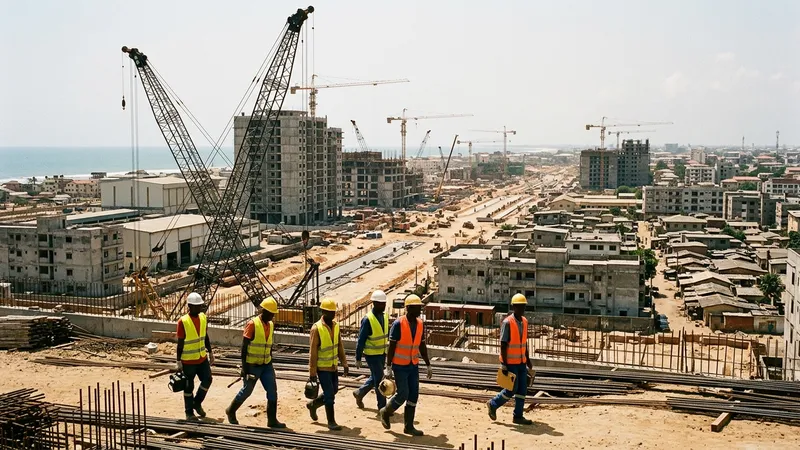
Benin has seen substantial economic growth over the past decade, with its annual gross domestic product expansion accelerating from 3% to 6%. This growth, fueled by significant infrastructure development and industrialization efforts, distinguishes Benin as a regional economic performer. However, this period of economic advancement has coincided with a notable decline in democratic governance and political pluralism within the nation.
Constitutional amendments have reshaped the political landscape, extending presidential terms and establishing restrictive electoral thresholds. These changes have effectively marginalized opposition parties and concentrated executive power. The recent establishment of an appointed senate, now led by former President Patrice Talon, further reinforces this centralized governance model.
Political Stability and Economic Trajectories
Political stability poses a significant risk for investors, a concern underscored by a failed coup attempt in late 2025. While the administration prioritizes industrialization and security cooperation, the narrowing political space and the perceived co-option of judicial processes introduce long-term governance risks.
The transition to a hand-picked successor in April 2026 indicates a likely continuation of current policy frameworks. This scenario unfolds amidst simmering social and political tensions, suggesting that the balance between economic development and democratic health remains a critical challenge for Benin.
Regional Context and Future Outlook
Benin's economic expansion has been a regional highlight, contrasting with the political centralization seen in some other African nations. The government's focus on specific industrial sectors and infrastructure projects has driven this performance, but the long-term sustainability could be tested by internal political dynamics.
Should the current policies continue to prioritize economic growth over political reforms, Benin could see sustained investment in key sectors, particularly if regional security cooperation remains effective. Conversely, any escalation of political dissent or perceived authoritarianism could deter foreign investment and exacerbate social tensions, potentially impacting the country's economic trajectory.