

Drug mixing fuels 61% of European hospital drug emergencies
Cocaine remained the most common individual substance, while combining narcotics with alcohol lengthened hospital stays to a median of seven hours.
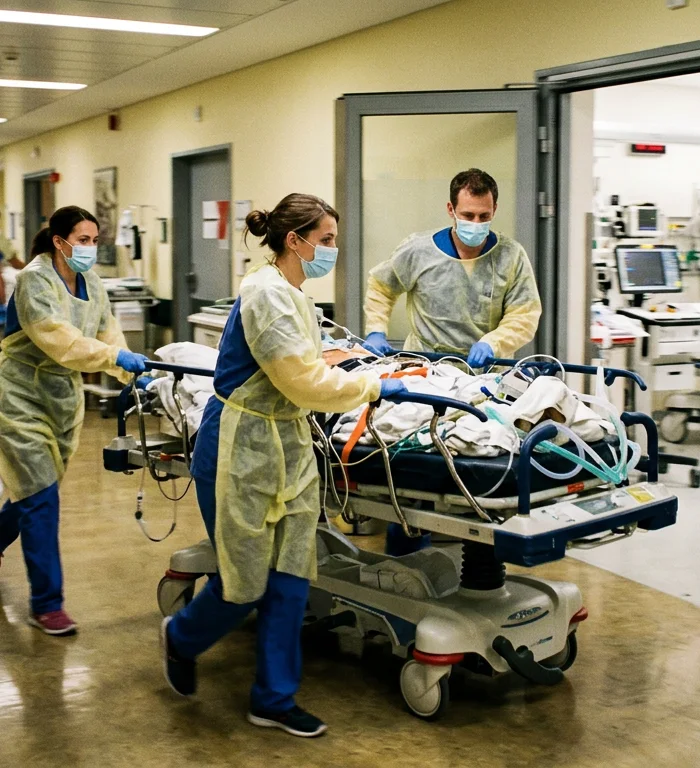
The European Union Drugs Agency reported on Nov. 27 in a surveillance study that 61% of acute drug-toxicity emergency visits in 2025 involved multiple substances or narcotics taken with alcohol.
Polysubstance consumption increases clinical risks and strains hospital resources, extending median patient stays to seven hours compared with five hours for patients who consumed only a single substance.
“Polysubstance use is more the norm than the exception,” said Isabelle Giraudon, principal scientist on the health consequences of drug use at the EU Drugs Agency. She said interactions “cause additional problems and increase the risk of severe outcomes.”
Nearly 14,700 people sought emergency care for overdoses or acute toxicity at surveyed facilities in 2025, covering illicit drugs and misused prescription medicines. The agency examined roughly 7,400 of those episodes across 45 sentinel hospitals in 18 EU member states and Norway.
Cocaine was involved in 32% of emergency visits, ahead of cannabis at 24% and amphetamines at 11%. Single-drug episodes made up 39% of admissions, whereas 23% involved one drug mixed with alcohol and 38% involved multiple substances.
Mixing was pronounced among ketamine patients, with 72% having also consumed alcohol or another substance. The most common overall combination across admissions was cannabis, cocaine and alcohol.
Giraudon said combining depressants such as opioids or GHB/GBL with alcohol or benzodiazepines raises the danger of life-threatening respiratory slowdown. Clinical outcomes diverged across drug categories, even as 66% of patients were discharged directly from the emergency ward.
Patients presenting after using amphetamines or methamphetamine faced higher rates of transfer to psychiatric wards. Those arriving after consuming heroin or GHB/GBL were more likely to require admission to critical care units.
Demographic data showed men accounted for 72% of emergency visits, with caseloads peaking on weekends and two-thirds arriving by ambulance. Ecstasy and nitrous oxide cases skewed younger, while the median patient age reached 38 for heroin and 36 for crack cocaine.
The findings exclude individuals who died before reaching medical facilities, those treated on site without hospital transfer, and chronic infections such as hepatitis B. Giraudon said the figures represent only a fraction of broader drug-related harms.
Source: Hospital network data analysis, European Union Drugs Agency, Nov. 27, 2026.
More stories
- Nigeria's family-planning budget falls 97%
- Peter Attia reviews cold therapy claims on longevity
- Dietitians advise small swaps for plant-based eating
- TikTok dementia videos mislead in 66.4% of sample, researchers say
- Aberdeen Royal Infirmary faces police inquiry call over 19 deaths
- Bariatric surgery group loses 28.2% after GLP-1 use
Latest news
- Duterte faces ICC trial over 85 alleged murders, 2 attempts
- Norse Atlantic suspends flights in urgent rescue funding bid
- Bardella denies antisemitism claims over teenage messages
- Retailers rethink Black Friday as discount fatigue grows
- Japan data centers face lawsuits over residential sites
- S&P puts Nvidia credit rating on watch over board concerns
- Musk pledges two SpaceX shares per child in new US giveaway
- Washington targets China in new tariff push on trade ties