Verstappen Extends Red Bull Deal Through 2030, F1 Calendar Shifts
Max Verstappen has signed a contract extension with Red Bull Racing until 2030, as Formula 1 confirms new race additions and calendar changes for 2026.
Mehmet Şahinoğlu ·
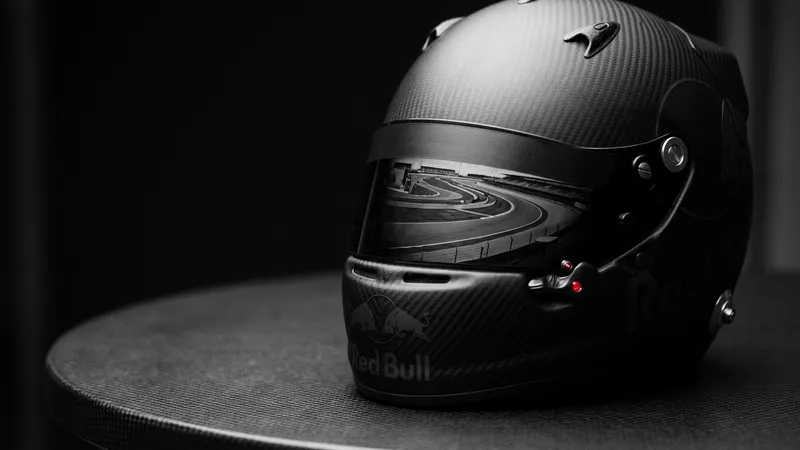
Four-time World Champion Max Verstappen has formally extended his contract with Red Bull Racing, securing his position with the team until the close of the 2030 Formula 1 season. This agreement effectively concludes ongoing market speculation regarding the Dutch driver's long-term future, providing stability for the Milton Keynes-based racing outfit. Stefano Domenicali, Formula 1 President and CEO, confirmed the extension and its implications for the sport's competitive landscape.
The announcement coincides with significant revisions to the Formula 1 calendar, particularly for the 2026 season. The Dutch Grand Prix, held at Zandvoort, is set to conclude its current tenure on the schedule after August 2026. Officials have characterized this departure as the successful completion of its multi-year hosting agreement, rather than an operational setback for the event or venue.
2026 Calendar Additions and Market Demand
Formula 1 management has outlined its plans for the 2026 race schedule, which will feature notable introductions and returns. The new Madrid circuit is confirmed to debut on the calendar, alongside Malaysia's re-entry as a host nation for a Grand Prix event. Initial ticket sales for these upcoming races, including the Madrid inaugural event, have already demonstrated robust market interest, with grandstand allocations selling out rapidly.
The sport's leadership has underscored its operational focus on successfully executing the remainder of the 2026 schedule as initially planned. According to Formula 1 officials, current projections indicate that the sport's strategic expansion into new and returning markets is consistently meeting the internal growth targets established by the organization. This reflects a broader trend of Formula 1's increasing global appeal and commercial viability.
Strategic Implications for Teams and Venues
Verstappen's extended commitment to Red Bull Racing solidifies a key partnership that has yielded multiple championships. His long-term presence is expected to influence team strategy, driver market dynamics, and potentially the competitive balance at the top tier of Formula 1 for the latter half of the decade. This stability contrasts with the evolving nature of the race calendar, which seeks to balance traditional venues with new opportunities for global outreach.
The removal of Zandvoort from the calendar after 2026, while described as a natural conclusion, highlights the dynamic process of Formula 1 venue selection. New additions like Madrid and the return of Malaysia underscore the sport's strategy to diversify its geographical footprint and tap into new fan bases and commercial revenues. This ongoing calendar evolution is a critical component of Formula 1's long-term business model, aiming for sustained growth and engagement across continents.